Free CV0-004 Practice Test Questions and Answers (2026)

View Mode
Q: 1
Which of the following industry standards mentions that credit card data must not be exchanged or stored in cleartext?
Options
27 comments in the community discussion
2
Option D
1
I don’t think it’s B. D is right because PCI-DSS specifically bans cleartext storage and transmission of cardholder data. GDPR covers general personal info, not this level of technical detail for credit cards.
Q: 2
Two CVEs are discovered on servers in the company's public cloud virtual network. The CVEs are listed as having an attack vector value of network and CVSS score of 9.0. Which of the following actions would be the best way to mitigate the vulnerabilities?
Options
30 comments in the community discussion
2
A not D, since patching actually removes the vulnerability rather than just blocking a port. Seen this on practice sets.
2
For me, A, but I'd review official CompTIA guide on patch management for confirmation.
Q: 3
Which of the following communication methods between on-premises and cloud environments would ensure minimal-to-low latency and overhead?
Options
28 comments in the community discussion
2
I don’t think D fits here. C is the better pick since direct connection (like AWS Direct Connect or ExpressRoute) means dedicated line, much lower latency and overhead compared to anything internet-based. VPN adds encryption overhead and peering is usually just cloud-to-cloud, not on-prem. Pretty sure it’s C unless
1
C tbh
Q: 4
A cloud administrator needs to collect process-level, memory-usage tracking for the virtual machines that are part of an autoscaling group. Which of the following is the best way to accomplish the goal by using cloud-native monitoring services?
Options
33 comments in the community discussion
5
B. not D. D only shows total VM memory, not process-level which the question asks for.
3
Option B
Q: 5
A company's engineering department is conducting a month-long test on the scalability of an in- house-developed software that requires a cluster of 100 or more servers. Which of the following models is the best to use?
Options
34 comments in the community discussion
5
D . Only IaaS gives enough control to launch 100+ servers and set them up exactly how engineering wants. PaaS or SaaS just wouldn't let you tweak the base systems for this kind of scale test. Seen similar practice stuff point to D too.
4
Option D. Not totally sure but IaaS should fit since you need a bunch of servers for custom testing, right?
Q: 6
Which of the following container storage types loses data after a restart?
Options
28 comments in the community discussion
1
Don’t think D is right. C is the one that loses data when the container restarts, since ephemeral storage isn’t meant to persist. Not 100% sure since wording can be tricky, but leaning C here.
1
Why not D? Seen similar wording on official study guide and sometimes block storage is volatile depending on provision.
Q: 7
An organization wants to ensure its data is protected in the event of a natural disaster. To support this effort, the company has rented a colocation space in another part of the country. Which of the following disaster recovery practices can be used to best protect the data?
Options
28 comments in the community discussion
1
Guessing B for this one
1
Not B in this case, it's D. The key is the use of a different location for disaster recovery, which matches the definition of off-site. Replication sounds good but isn't directly what they're describing here.
Q: 8

An administrator is setting up a cloud backup solution that requires the following features:

• Cost effective

• Granular recovery

• Multilocation

Which of the following backup types best meets these requirements?

Options
30 comments in the community discussion
4
A . Trap is thinking "cloud" in B but A's off-site covers multi-location and gives full, incremental, differential for granular/cost needs.
3
Option A since off-site plus full/incremental/differential gives you multilocation and cost efficiency.
Q: 9
A systems administrator is provisioning VMs according to the following requirements: · A VM instance needs to be present in at least two data centers. . During replication, the application hosted on the VM tolerates a maximum latency of one second. · When a VM is unavailable, failover must be immediate. Which of the following replication methods will best meet these requirements?
Options
38 comments in the community discussion
2
I get why some people might pick D but with "immediate" failover and max 1s latency, it’s really got to be C.
1
C is the way to go here since live replication is the only method that meets both the sub-1 second latency and immediate failover needs. Point-in-time and snapshots just can't keep up for instant cutover. Pretty sure about this, but open to pushback.
Q: 10
The performance of an e-commerce website decreases dramatically during random periods. The IT team is evaluating available resources to mitigate the situation. Which of the following is the best approach to effectively manage this scenario'?
Options
32 comments in the community discussion
1
C/D? If the slowdowns really are random, D (automatic elasticity) is probably the best. If there was any timing pattern at all, C could work too. Not 100% sure though.
1
D , official guide and labs both cover elasticity for sudden spikes like this. Pretty common on practice exams too.
Q: 11

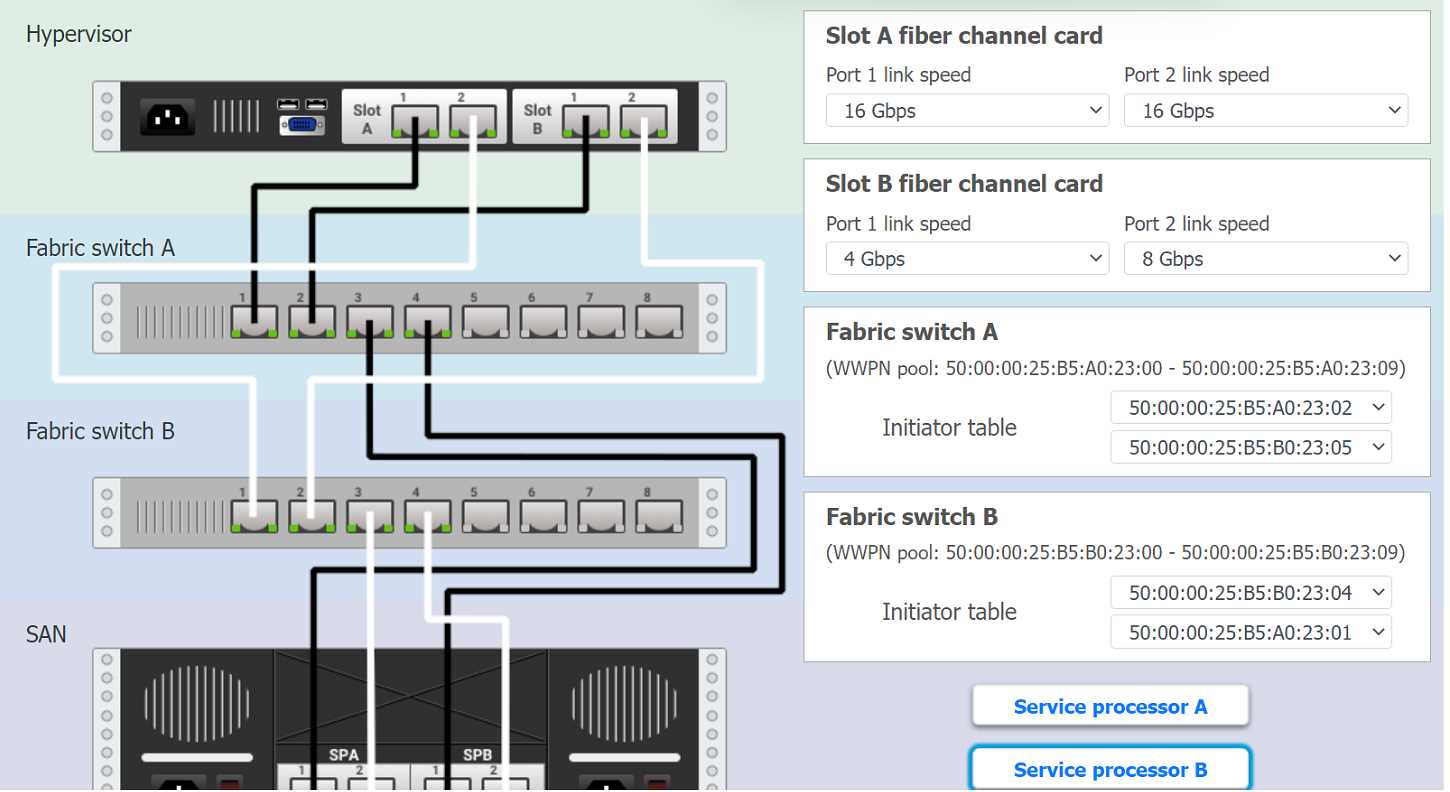
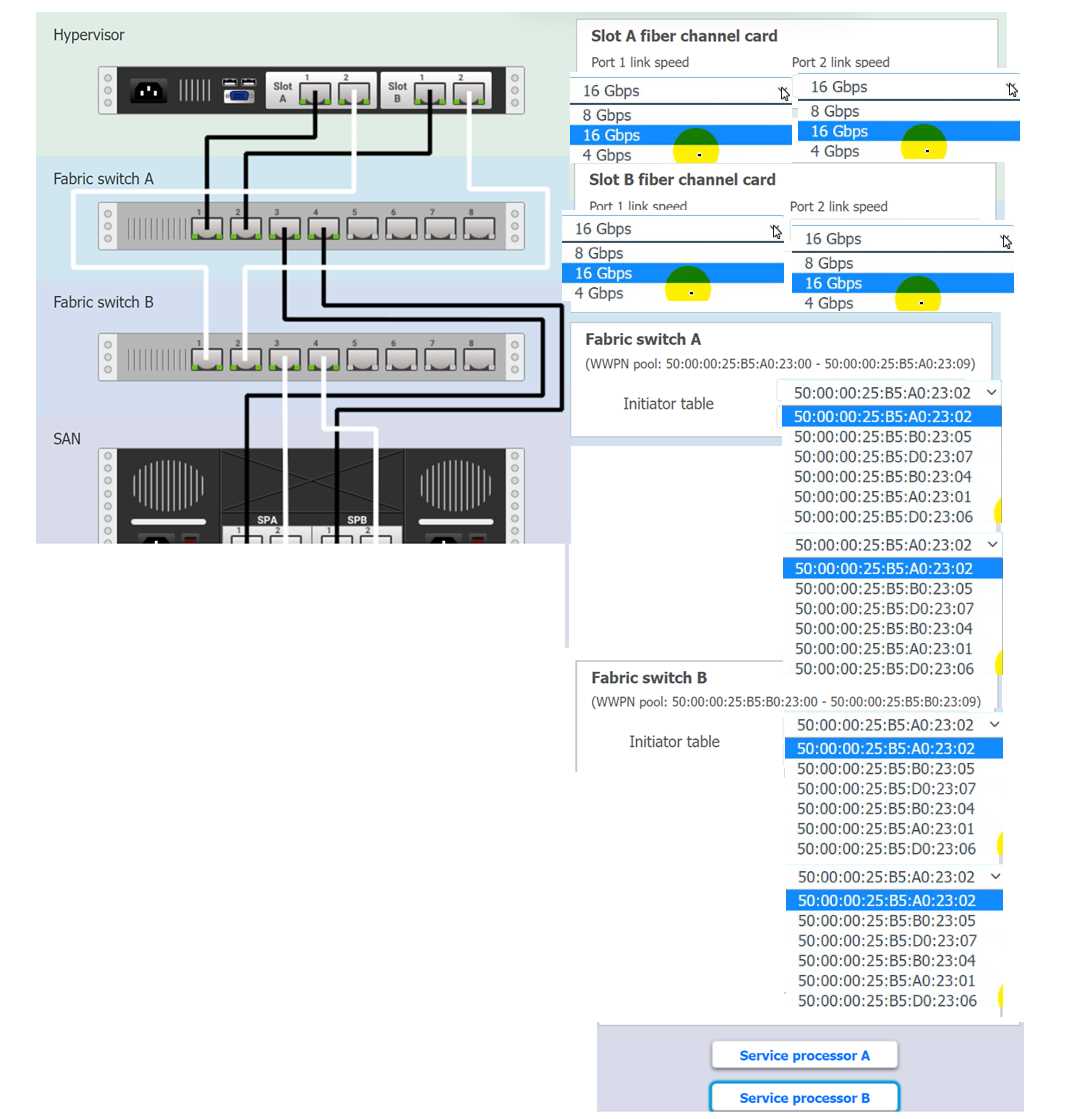
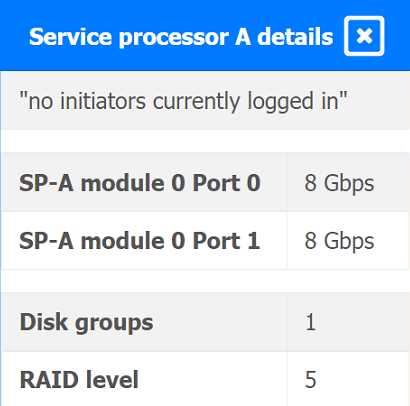
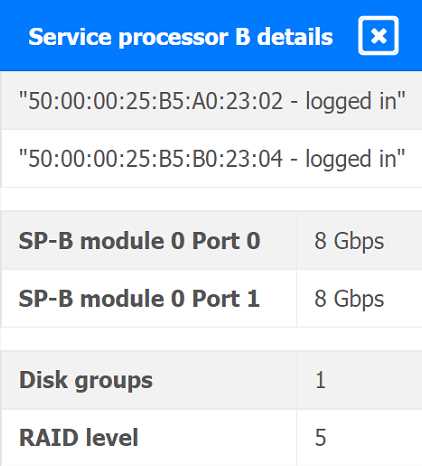
You are a cloud engineer working for a cloud service provider that is responsible for an IaaS offering. Your customer, who creates VMs and manages virtual storage, has noticed I/O bandwidth issues and low IOPS (under 9000). Your manager wants you to verify the proper storage configuration as dictated by your service level agreement (SLA). The SLA specifies: . Each SFP on the hypervisor host must be set to the maximum link speed allowed by the SAN array. . All SAN array disk groups must be configured in a RAID 5. . The SAN array must be fully configured for redundant fabric paths. . IOPS should not fall below 14000 INSTRUCTIONS Click on each service processor to review the displayed information. Then click on the drop-down menus to change the settings of each device as necessary to conform to the SLA requirements. Cloud+ CV0-004 question Cloud+ CV0-004 question Cloud+ CV0-004 question Cloud+ CV0-004 question

Your Answer
8 comments in the community discussion
6
Set all FC card ports to 8 Gbps. If the SAN supports only 8, everything must match or you get failed logins and no redundancy. I've seen this low IOPS/mismatch issue pop up in practice labs too. Someone correct me if I'm missing a detail.
6
Set every FC port to 8 Gbps, not 16. The SAN only does 8, that's the trap here.
Q: 12

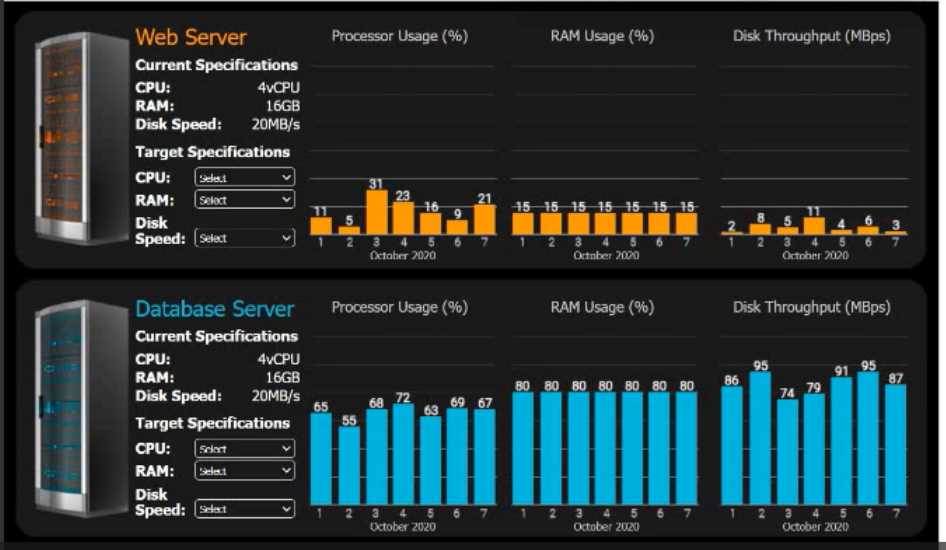
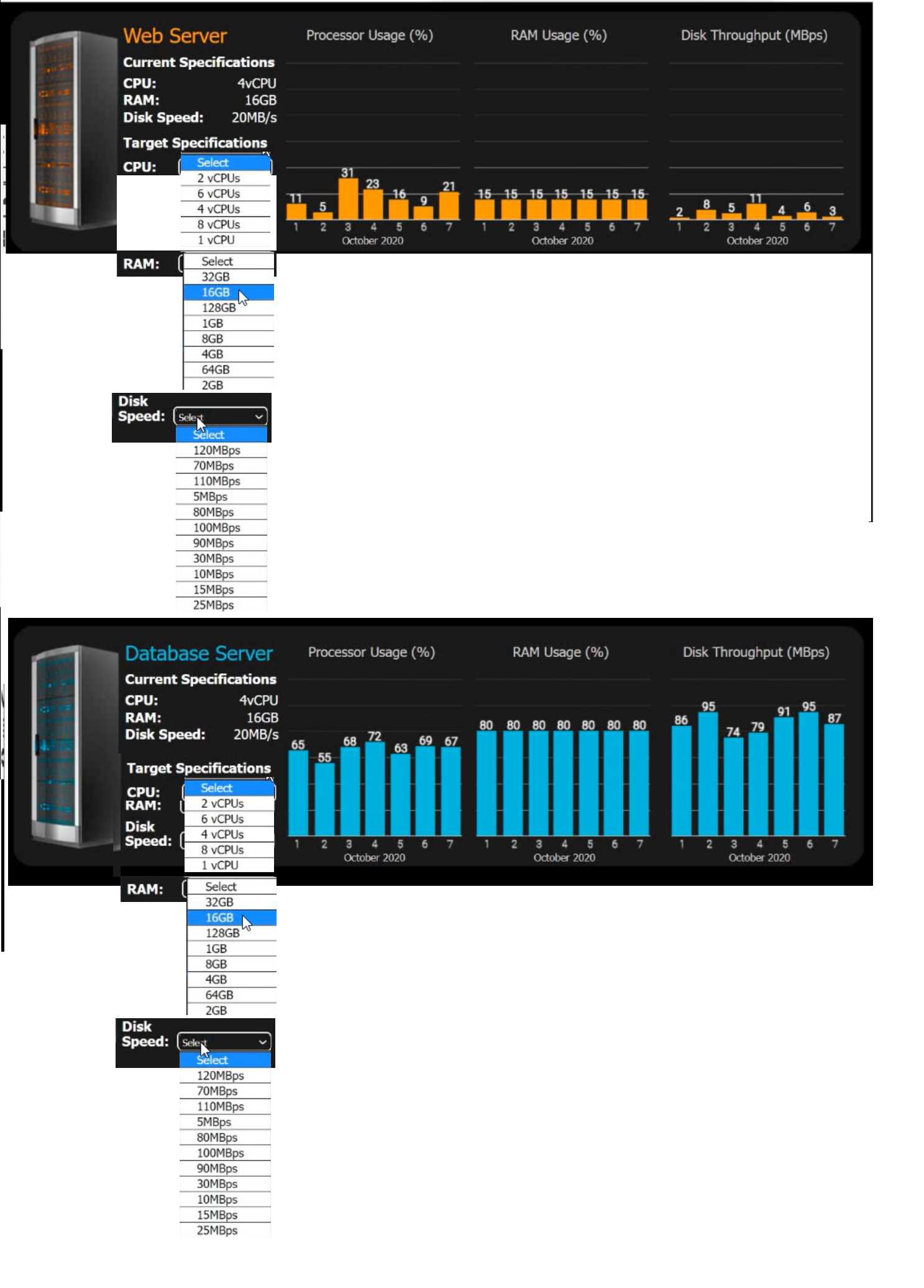
HOTSPOT An e-commerce company is migrating from an on-premises private cloud environment to a public cloud IaaS environment. You are tasked with right-sizing the environment to save costs after the migration. The company's requirements are to provide a 20% overhead above the average resource consumption, rounded up. INSTRUCTIONS Review the specifications and graphs showing resource usage for the web and database servers. Determine the average resource usage and select the correct specifications from the available drop- down options. Cloud+ CV0-004 question Cloud+ CV0-004 question

Your Answer
16 comments in the community discussion
6
Does anyone think the overhead should be figured on peak or just average? The instructions say "average resource consumption," but some shops like to plan for worst case. Just double checking since cost and performance tradeoffs matter here.
5
Not seeing why anyone would go for more than 1 vCPU/4GB/10MBPS on web, or less than 4 vCPU/16GB/110MBPS on db here. The trap is picking specs based on peak not average plus buffer.
Q: 13

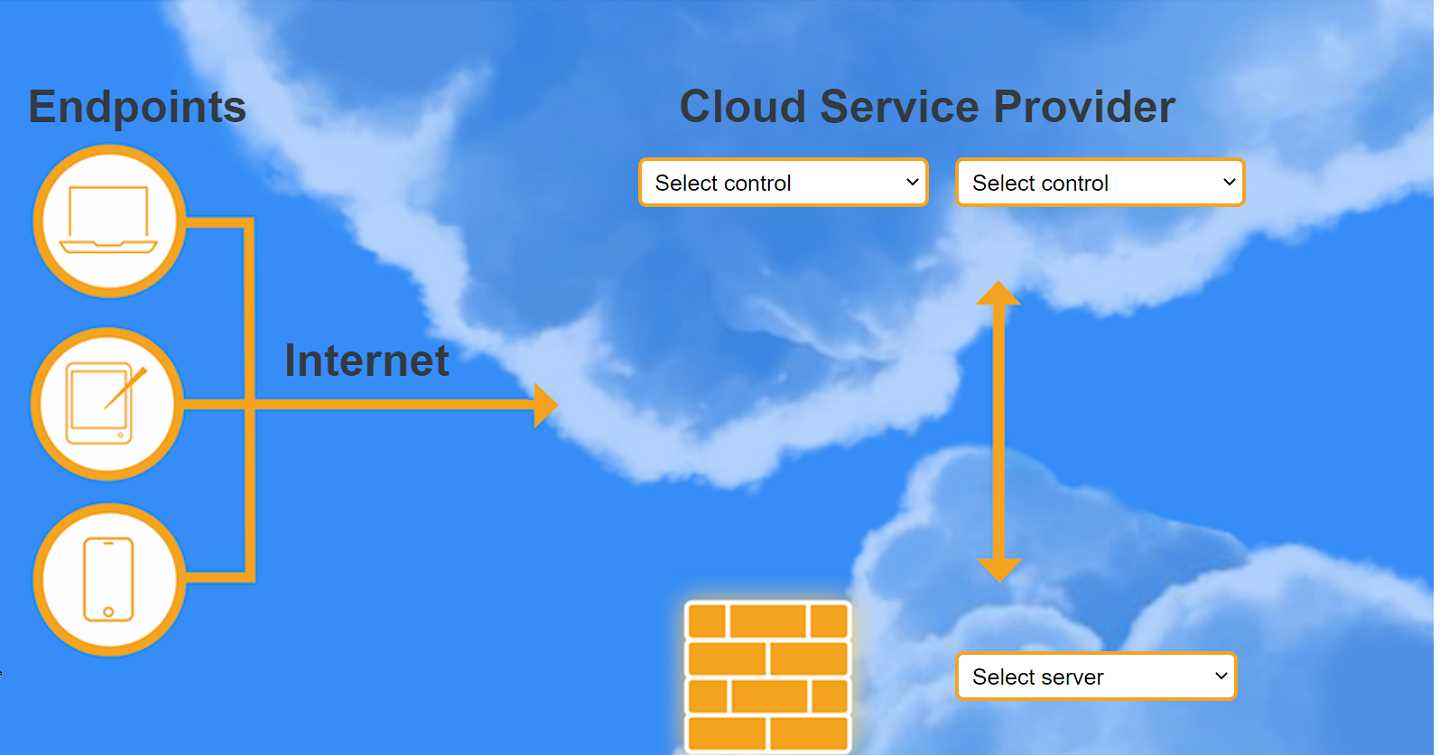
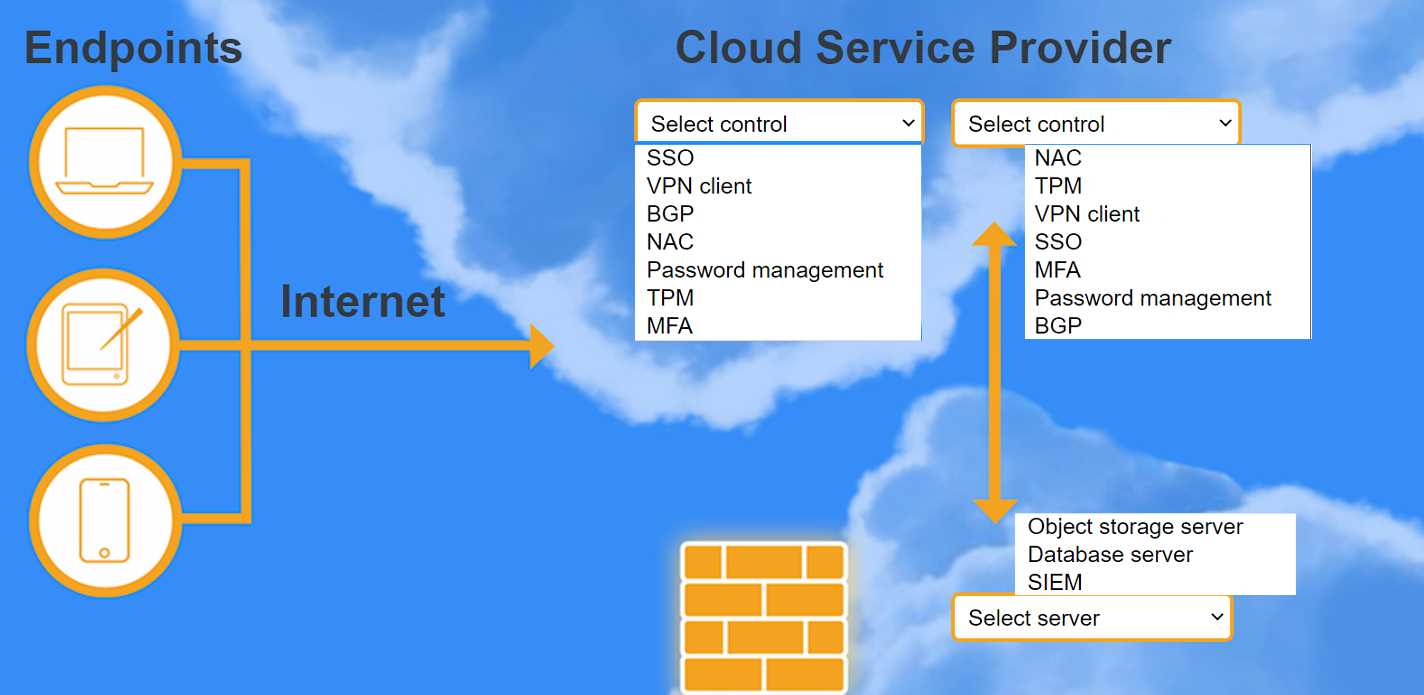
HOTSPOT A highly regulated business is required to work remotely, and the risk tolerance is very low. You are tasked with providing an identity solution to the company cloud that includes the following: secure connectivity that minimizes user login tracks user activity and monitors for anomalous activity requires secondary authentication INSTRUCTIONS Select controls and servers for the proper control points. Cloud+ CV0-004 question Cloud+ CV0-004 question

Your Answer
9 comments in the community discussion
8
SSO, MFA, SIEM.
4
Had something like this in a mock, and SSO for first control makes sense to limit user logins. MFA gives the secondary authentication they want, and SIEM is what you use to track user actions and spot weird activity. Pretty sure this covers all low risk tolerance requirements, unless compliance asks for a CASB. Agre
Q: 14

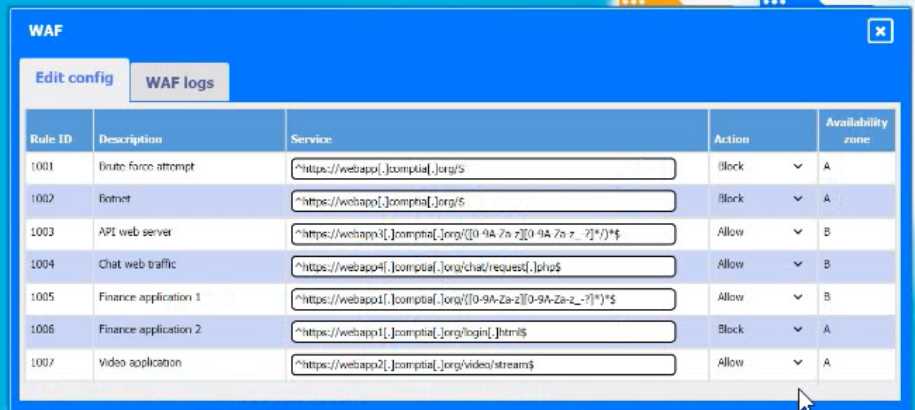
A company hosts various containerized applications for business uses. A client reports that one of its routine business applications fails to load the web-based login prompt hosted in the company cloud. Click on each device and resource. Review the configurations, logs, and characteristics of each node in the architecture to diagnose the issue. Then, make the necessary changes to the WAF configuration to remediate the issue. Cloud+ CV0-004 question Cloud+ CV0-004 question Cloud+ CV0-004 question Cloud+ CV0-004 question Cloud+ CV0-004 question Cloud+ CV0-004 question

Your Answer
6 comments in the community discussion
3
Makes sense to just allow Rule ID 1006 on the WAF config here.
1
Change Rule ID 1006 from block to allow. Blocking was a trap here, pretty sure this is the fix per similar questions.
Q: 15

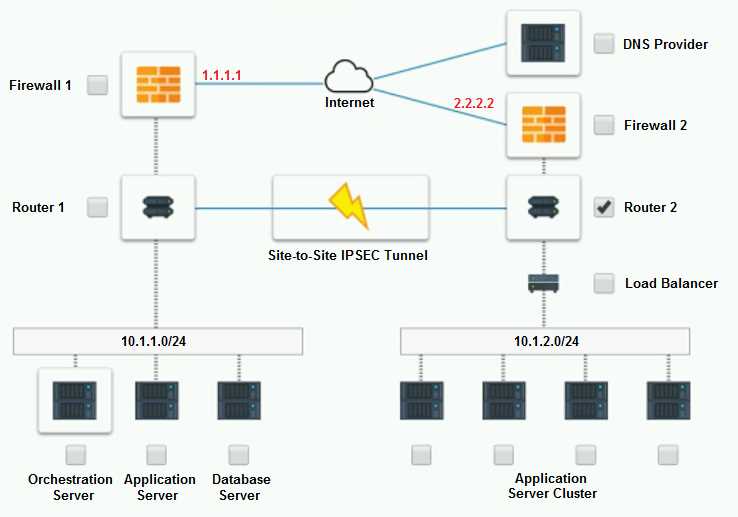
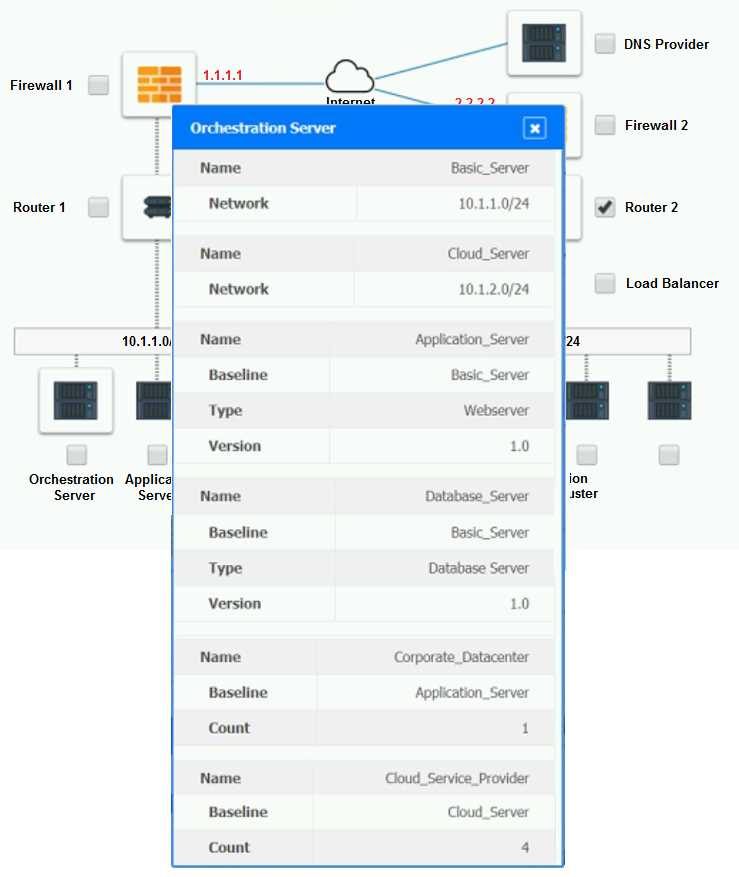
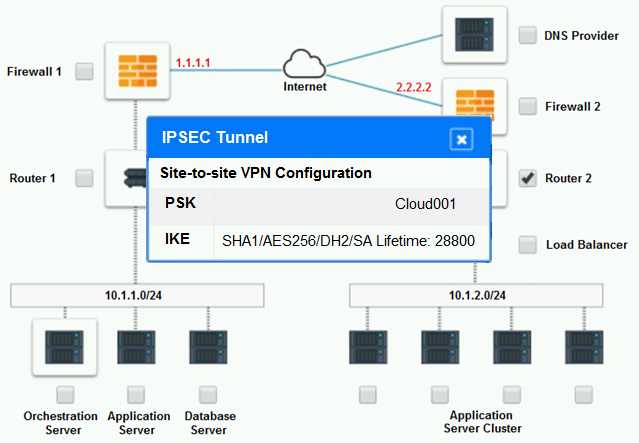
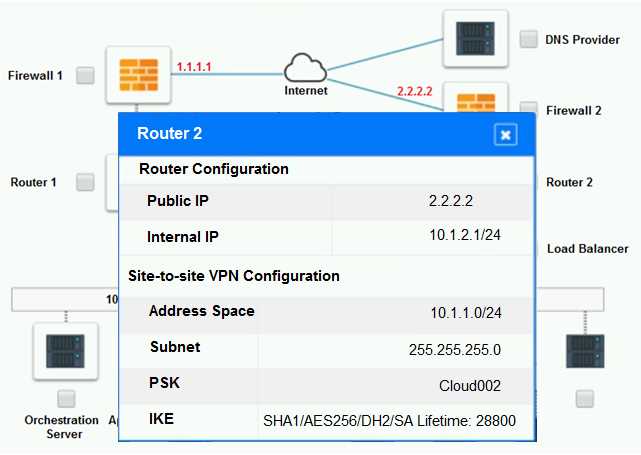
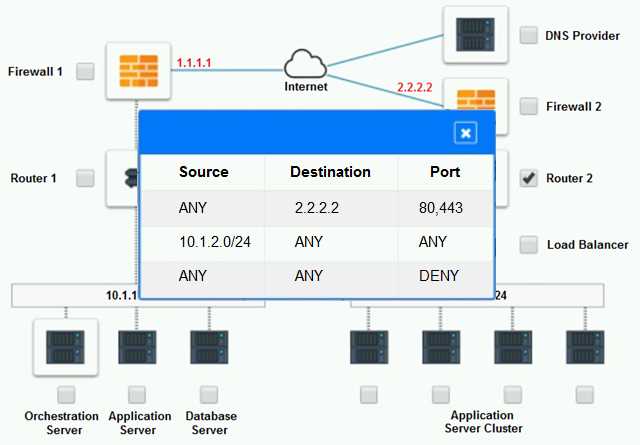
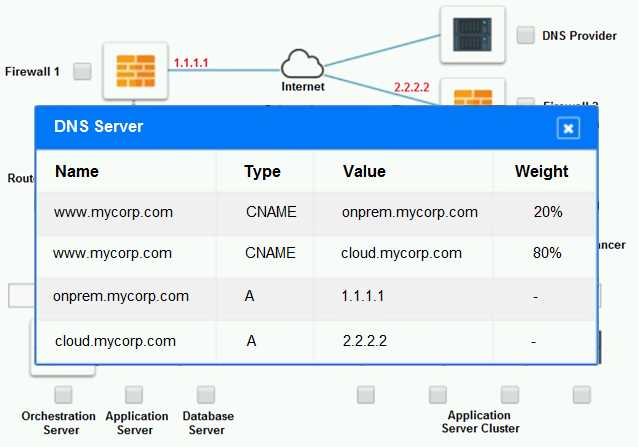
A company has decided to scale its e-commerce application from its corporate datacenter to a commercial cloud provider to meet an anticipated increase in demand during an upcoming holiday. The majority of the application load takes place on the application server under normal conditions. For this reason, the company decides to deploy additional application servers into a commercial cloud provider using the on-premises orchestration engine that installs and configures common software and network configurations. The remote computing environment is connected to the on-premises datacenter via a site-to-site IPSec tunnel. The external DNS provider has been configured to use weighted round-robin routing to load balance connections from the Internet.

During testing, the company discovers that only 20% of connections completed successfully.

INSTRUCTIONS

Review the network architecture and supporting documents and fulfill these requirements:

Part 1:

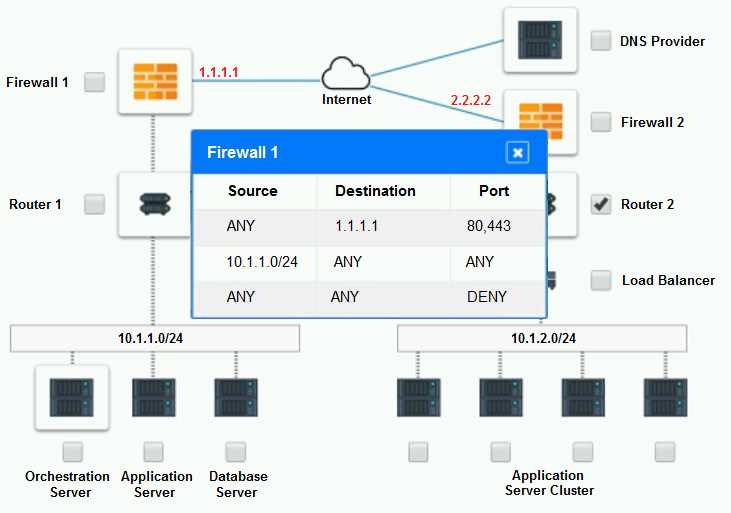
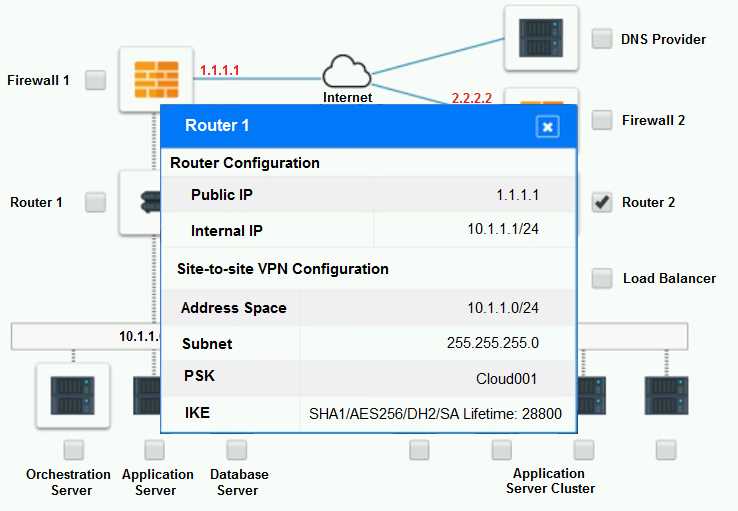
Analyze the configuration of the following components: DNS, Firewall 1, Firewall 2, Router 1, Router

2, VPN and Orchestrator Server.

Identify the problematic device(s).

Part 2:

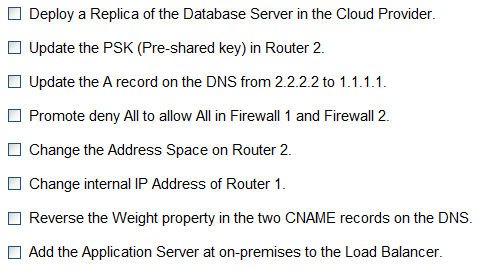
Identify the correct options to provide adequate configuration for hybrid cloud architecture.

If at any time you would like to bring back the initial state of the simulation, please click the Reset All

button.

Part 1:

Cloud Hybrid Network Diagram

Part 2:

Only select a maximum of TWO options from the multiple choice question

Your Answer
10 comments in the community discussion
4
Looks like fixing the PSK in Router 2 is a must, but just restoring VPN won’t help with cloud latency. Deploying a DB replica in the provider makes sense for hybrid setups, since you want both reliability and better response times. Pretty sure those are the right picks, but open to other thoughts.
2
Nah, I don't think just fixing the VPN is enough here. Only updating the PSK in Router 2 doesn't solve for latency or failover-I'd go with update the PSK and deploy a database replica in the cloud. Last one's a common hybrid pattern, right? Agree if anyone's looked at similar exam sims.
Q: 16

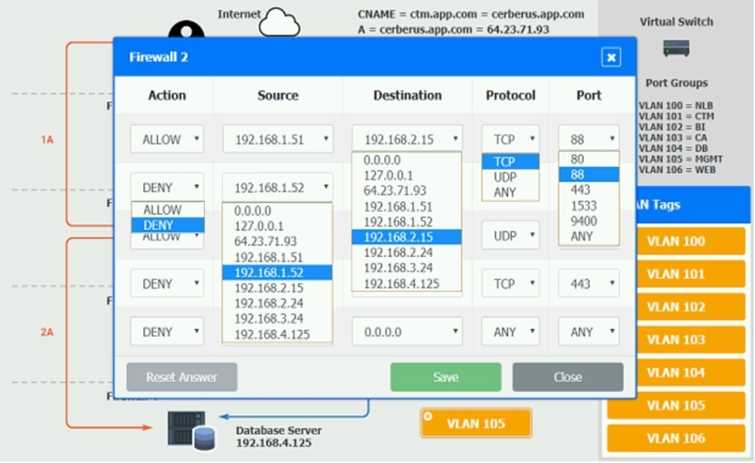
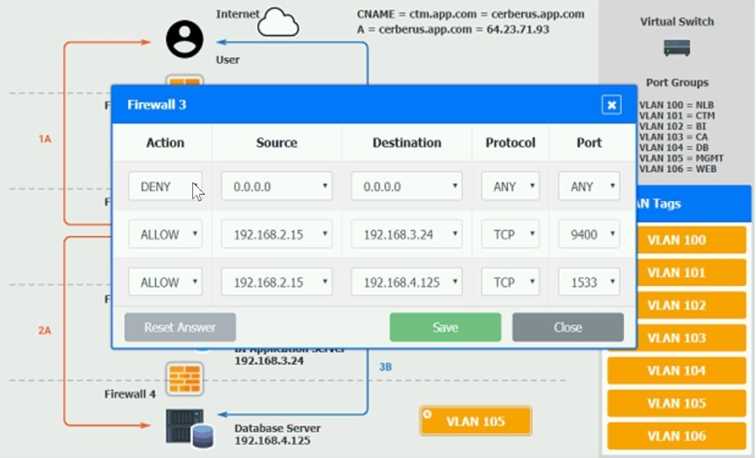
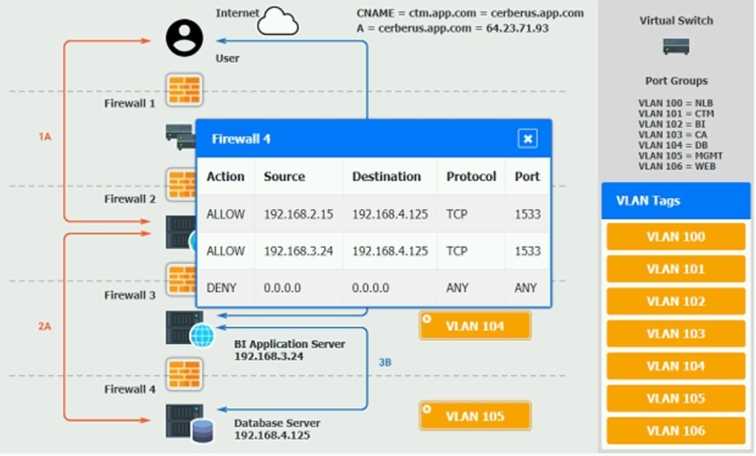
The QA team is testing a newly implemented clinical trial management (CTM) SaaS application that uses a business intelligence application for reporting. The UAT users were instructed to use HTTP and HTTPS.

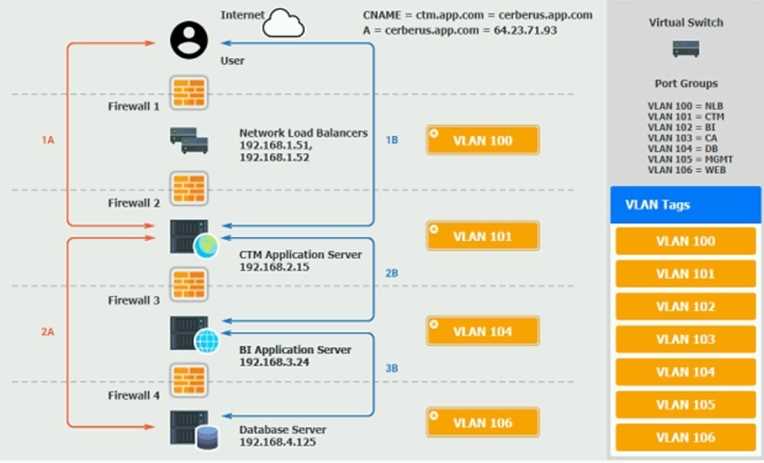
Refer to the application dataflow:

1A – The end user accesses the application through a web browser to enter and view clinical data.

2A – The CTM application server reads/writes data to/from the database server.

1B – The end user accesses the application through a web browser to run reports on clinical data.

2B – The CTM application server makes a SOAP call on a non-privileged port to the BI application server.

3B – The BI application server gets the data from the database server and presents it to the CTM application server.

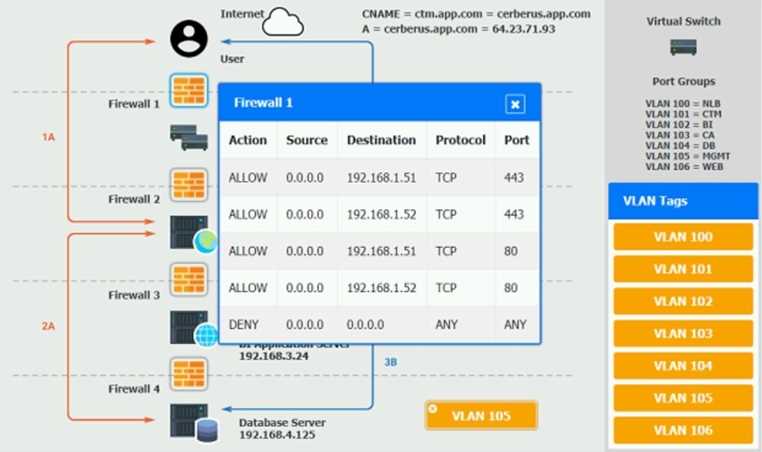
When UAT users try to access the application using https://ctm.app.com or http://ctm.app.com, they get a message stating: “Browser cannot display the webpage.” The QA team has raised a ticket to troubleshoot the issue.

INSTRUCTIONS

You are a cloud engineer who is tasked with reviewing the firewall rules as well as virtual network settings.

You should ensure the firewall rules are allowing only the traffic based on the dataflow.

You have already verified the external DNS resolution and NAT are working.

Verify and appropriately configure the VLAN assignments and ACLs. Drag and drop the appropriate

VLANs to each tier from the VLAN Tags table. Click on each Firewall to change ACLs as needed.

If at any time you would like to bring back the initial state of the simulation, please click the Reset All button.

Drag & Drop
14 comments in the community discussion
6
BI APP SERVER to VLAN 102, DB SERVER to VLAN 104, firewall rules in the listed order. That's how I mapped it per the flows and VLAN labels. Open to corrections if anyone spots something off.
5
BI APPLICATION SERVER -> VLAN 102, DATABASE SERVER -> VLAN 104. Allow http/https from 192.168.1.51 and .52 to CTM server, then DENY ALL last. This follows least privilege and proper segmentation, as recommended in the official guide. Pretty sure this matches similar exam questions, but happy to check if anyone ha
Q: 17
A cloud developer is creating a static website that customers will be accessing globally. Which of the following services will help reduce latency?
Options
5 comments in the community discussion
1
C imo. CDN caches static content at edge locations, so users get data from the nearest server, which drops latency a lot for global access. The others don't really help static site latency on a worldwide scale.
Probably C, CDNs are built exactly for that global latency issue.
Q: 18
A company is developing a new web application that requires a relational database management system with minimal operational overhead. Which of the following should the company choose?
Options
9 comments in the community discussion
1
Check the official guide and practice tests, but I’d say A.
I think A could make sense since you can control everything on a VM and minimize overhead with automation tools. Pretty sure official guide talks about setup on VMs too. Anyone else use practice labs that go over this scenario?
Q: 19
A company serves customers globally from its website hosted in North Americ a. A cloud engineer recently deployed new instances of the website in the Europe region. Which of the following is the most likely reason?
Options
13 comments in the community discussion
1
B tbh, sometimes they deploy in another region for security or compliance reasons like data residency. C is tempting but the question doesn’t make latency super clear in the details. Seen similar trains of thought on practice sets so could be a trap.
C. not totally sure though. Cost or security could be factors too but reducing latency seems most likely for multiple regions.
Q: 20
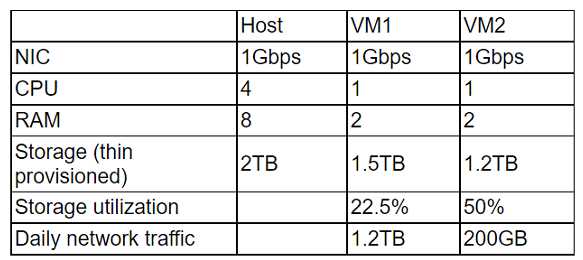
A cloud administrator wants to provision a host with two VMs. The VMs require the following: Cloud+ CV0-004 question After configuring the servers, the administrator notices that during certain hours of the day, the performance heavily degrades. Which of the following is the best explanation?
Options
10 comments in the community discussion
4
C . Not enough RAM on each VM usually causes swap and the system just crawls during peak hours, which is classic for performance drops like this. Pretty sure that's the most common bottleneck unless storage was flagged as a problem.
2
Probably C here. Not having enough RAM on each VM would push them to swap a lot, which makes everything crawl, especially under load. Storage could matter but unless the question mentions slow disks, I think RAM is the bigger culprit.
Question 1 of 20

Premium Access Includes

  • Quiz Simulator
  • Exam Mode
  • Progress Tracking
  • Question Saving
  • Flash Cards
  • Drag & Drops
  • 3 Months Access
  • PDF Downloads
Get Premium Access
Scroll to Top