
Q: 20
A cloud administrator wants to provision a host with two VMs. The VMs require the following:
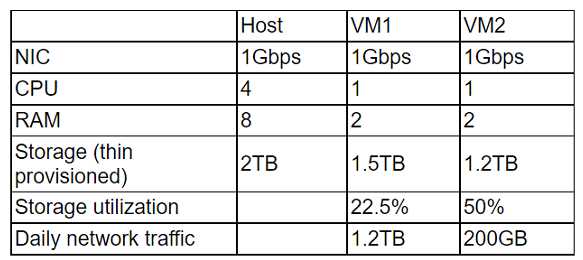 After configuring the servers, the administrator notices that during certain hours of the day, the
performance heavily degrades. Which of the following is the best explanation?
After configuring the servers, the administrator notices that during certain hours of the day, the
performance heavily degrades. Which of the following is the best explanation?
Options
Discussion
C . Not enough RAM on each VM usually causes swap and the system just crawls during peak hours, which is classic for performance drops like this. Pretty sure that's the most common bottleneck unless storage was flagged as a problem.
Probably C here. Not having enough RAM on each VM would push them to swap a lot, which makes everything crawl, especially under load. Storage could matter but unless the question mentions slow disks, I think RAM is the bigger culprit.
D tbh
I don’t think it’s D. C makes more sense since running out of RAM forces the VMs to use swap, which seriously drags down performance. Seen this happen in labs a bunch. But if anyone's sure about storage, let me know.
C or D for me. Storage overutilization (D) can definitely tank performance, especially if both VMs are hitting disk hard at the same time, but similar questions on other practice tests usually point to storage as a common culprit. Nice clear scenario here. I think D is a solid guess, but open to being corrected.
Be respectful. No spam.