
Q: 1
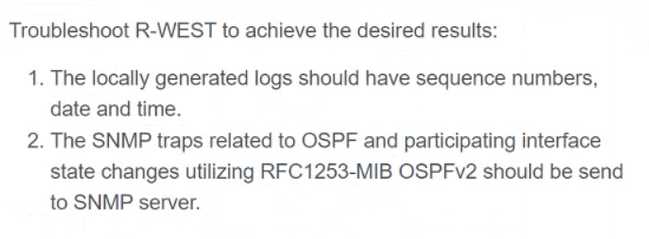
Refer to the exhibit. SIMULATION 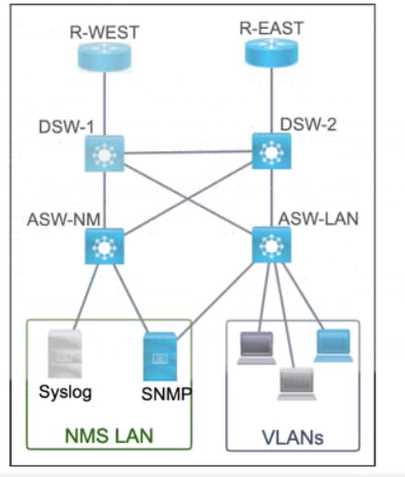
Your Answer
Discussion
No comments yet. Be the first to comment.
Be respectful. No spam.
Refer to the exhibit. SIMULATION
DRAG DROP Drag and drop the descriptions from the left onto the corresponding MPLS components on the right. 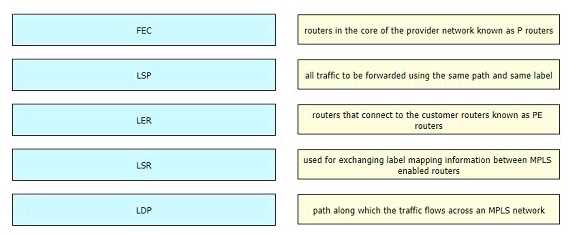
DRAG DROP Drag and drop the packet types from the left onto the correct descriptions on the right. 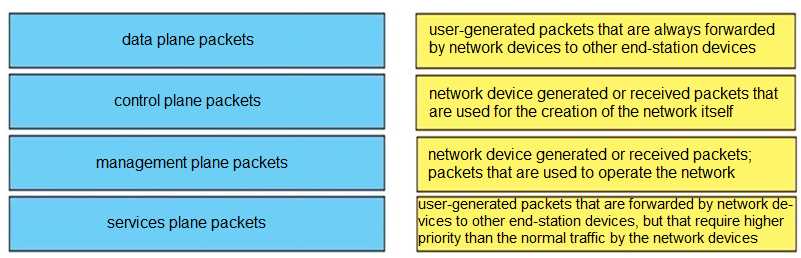
SIMULATION 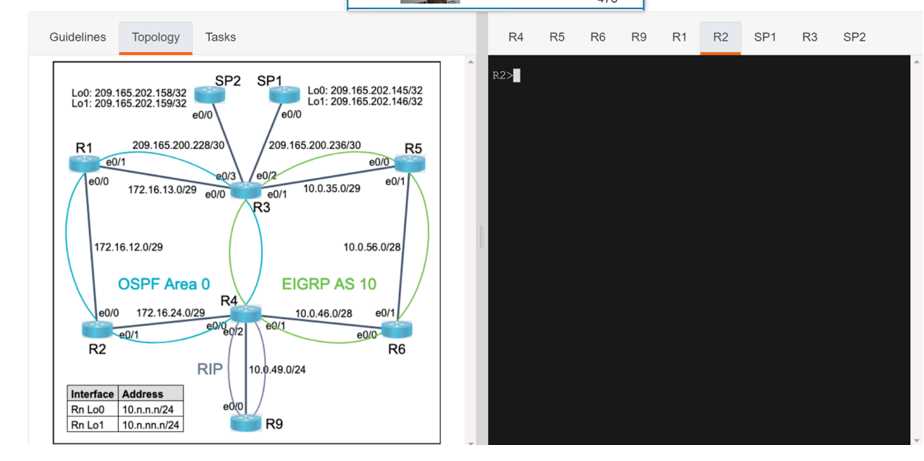
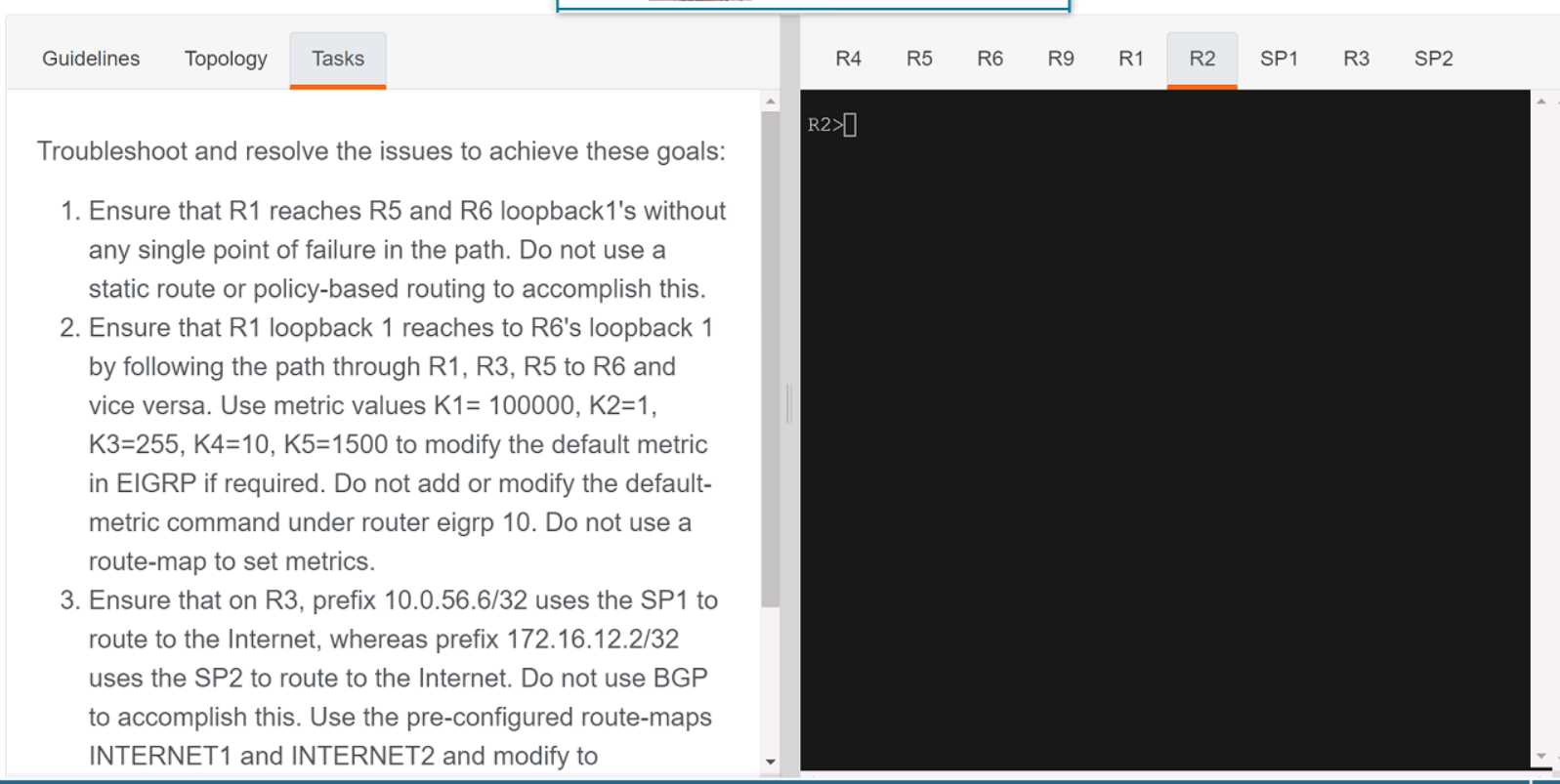
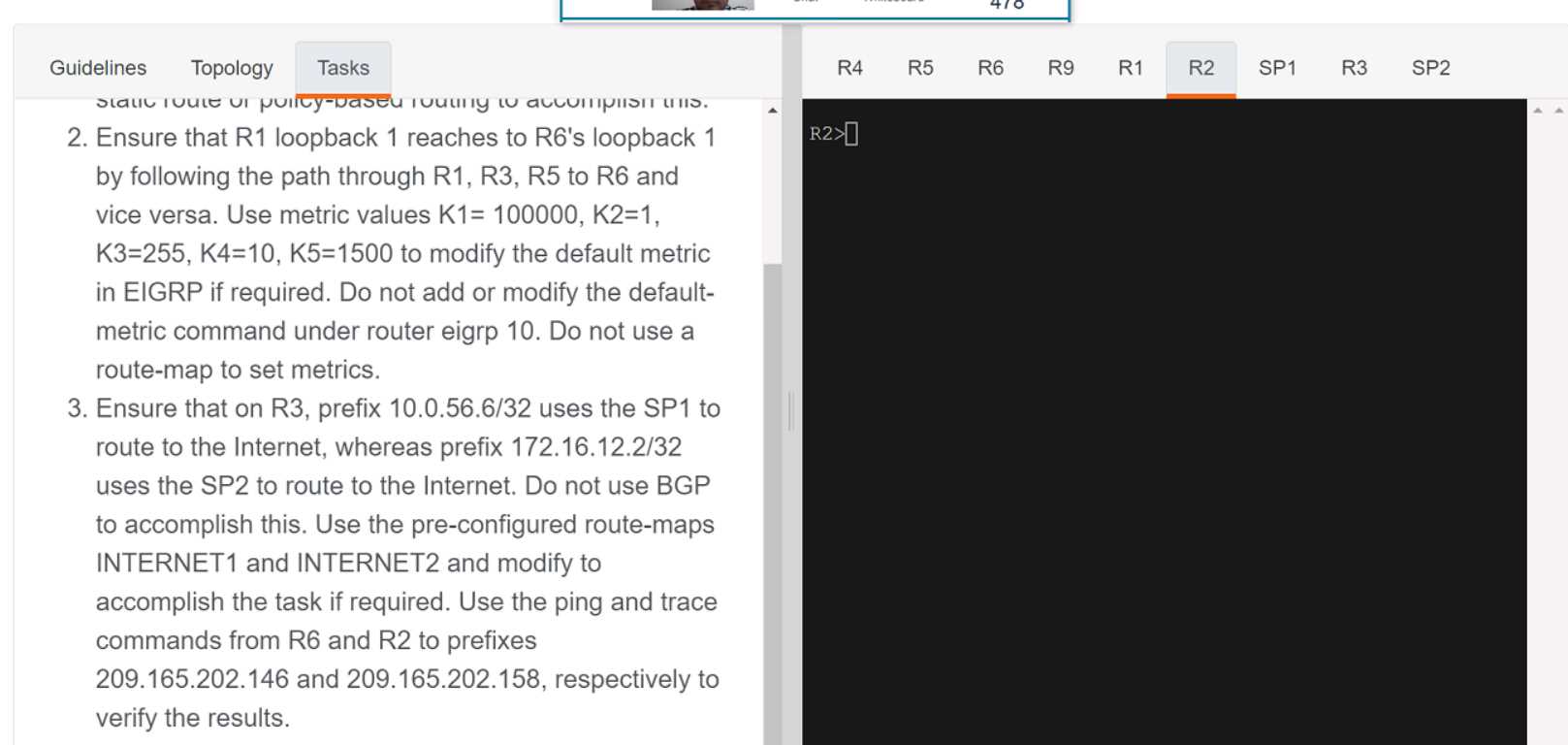
DRAG DROP Drag and drop the OSPF adjacency states from the left onto the correct descriptions on the right. 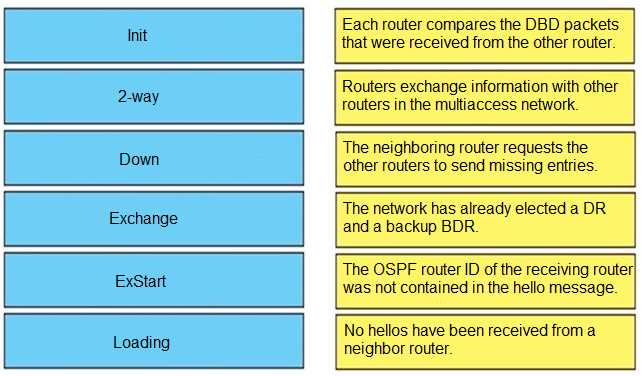
DRAG DROP Drag and drop the MPLS terms from the left onto the correct definitions on the right. 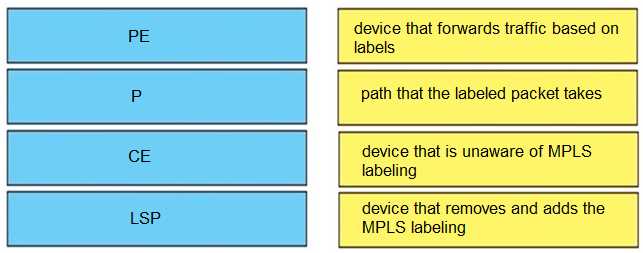
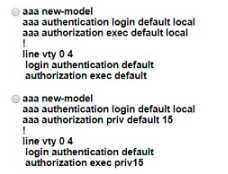
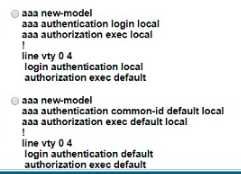
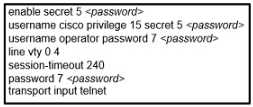 Refer to the exhibit. The authentication is not working as desired and the user drops into user-exec
mode. Which configuration resolves the issue?
Refer to the exhibit. The authentication is not working as desired and the user drops into user-exec
mode. Which configuration resolves the issue?
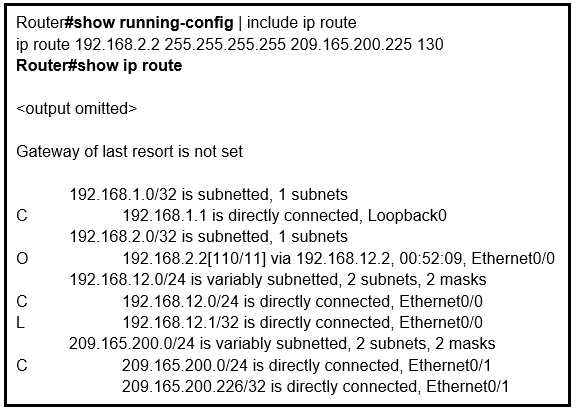 An engineer configures a static route on a router, but when the engineer checks the route
to the destination, a different next hop is chosen. What is the reason for this?
An engineer configures a static route on a router, but when the engineer checks the route
to the destination, a different next hop is chosen. What is the reason for this?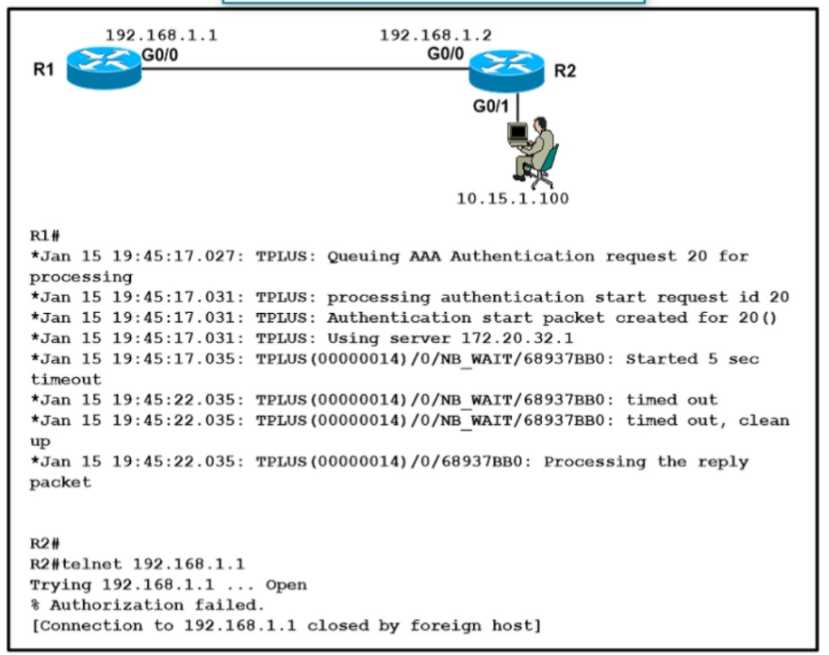 Refer to the exhibit A network engineer is troubleshooting an AAA authentication issue for R1 from
R2 When an engineer tries to open a telnet connection to R1 it opens the connection but shows a
%Authorization failed error message on the terminal and closes the connection silently Which action
resolves the issue?
Refer to the exhibit A network engineer is troubleshooting an AAA authentication issue for R1 from
R2 When an engineer tries to open a telnet connection to R1 it opens the connection but shows a
%Authorization failed error message on the terminal and closes the connection silently Which action
resolves the issue?DRAG DROP Drag and drop the SNMP attributes in Cisco IOS devices from the left onto the correct SNMPv2c or SNMPV3 categories on the right. 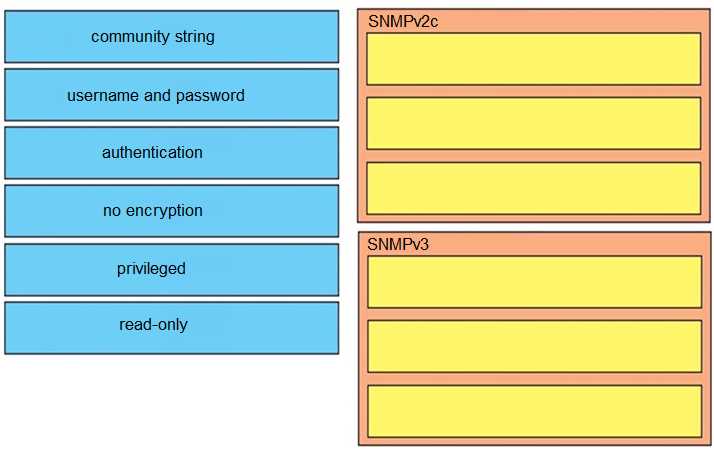
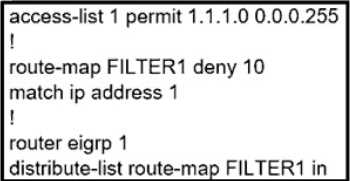 Refer to the exhibit. Which action restores the routes from neighbors while still filtering 1.1.1.0/24?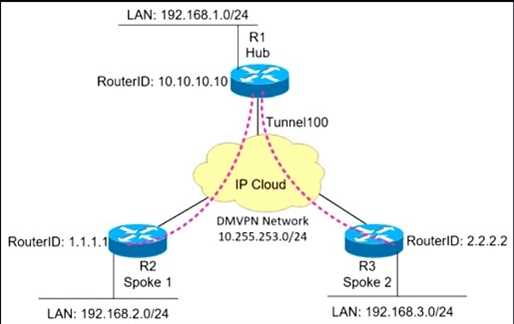
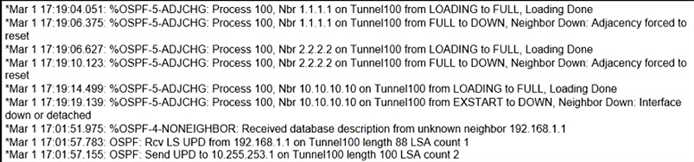 A network administrator sets up an OSPF routing protocol for a DMVPN network on the hub router.
Which configuration required to establish a DMVPN tunnel with multiple spokes?
A network administrator sets up an OSPF routing protocol for a DMVPN network on the hub router.
Which configuration required to establish a DMVPN tunnel with multiple spokes?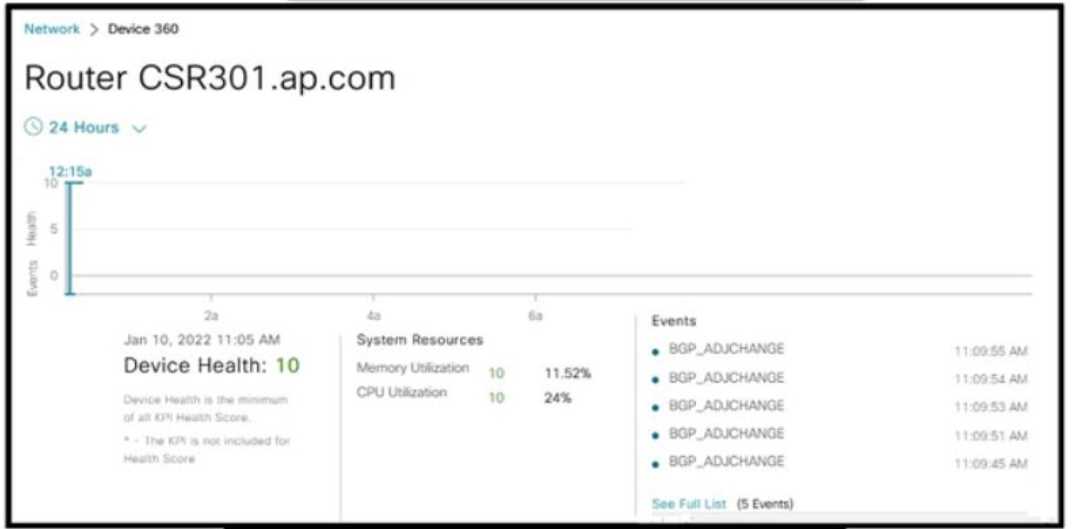
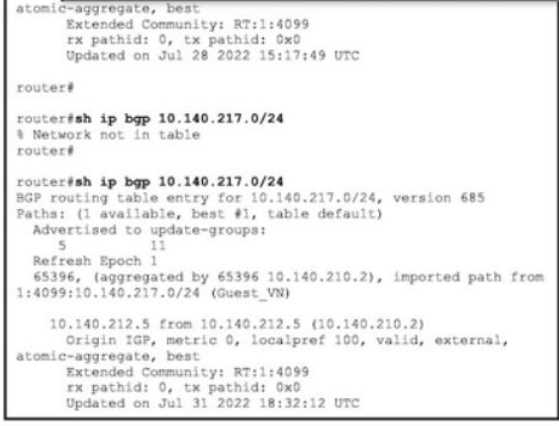 Refer to the exhibit. In Cuco DNA Center, a network engineer identifies that BGP-learned networks
are repeatedly withdrawn from peers. Which configuration must the engineer apply to resolve the
Issue?
A)
Refer to the exhibit. In Cuco DNA Center, a network engineer identifies that BGP-learned networks
are repeatedly withdrawn from peers. Which configuration must the engineer apply to resolve the
Issue?
A)
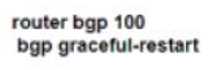 B)
B)
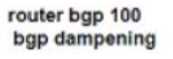 C)
C)
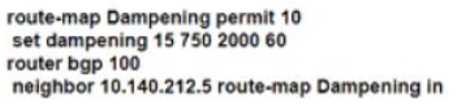 D)
D)

This domain covers key concepts related to 1: Layer 3 Technologies.
This domain covers foundational network services required for enterprise operations. It emphasizes troubleshooting protocols that provide IP addressing, time synchronization, address translation, and gateway redundancy. You will also address network monitoring and management services.
This domain focuses on securing network infrastructure devices and the control plane. It covers device access control, traffic filtering with ACLs, and protecting the CPU with CoPP. You will also learn about modern network security design components.
This domain covers enterprise Virtual Private Network (VPN) solutions for secure and scalable site-to-site connectivity. It focuses on Multiprotocol Label Switching (MPLS) Layer 3 VPNs and Dynamic Multipoint VPN (DMVPN) architectures.