Free PMP Practice Test Questions and Answers (2026)

View Mode
Q: 1
A project team is engaging a development team in another country to develop software. During progress reviews, the project manager identified completion date delays due to rework because there were different interpretations of the client's needs. What should the project manager do?
Options
34 comments in the community discussion
4
B. The main issue is the misinterpretation of requirements, so bringing everyone together to clear things up should help avoid more rework. Seen this come up on mock exams and pretty sure that's PMI's expected step before jumping to prototyping or escalation. Anyone disagree?
3
Option B here. Pushing schedule (A) or escalating (C) skips over fixing the root problem, which is unclear requirements. D looks tempting but still feels like a workaround for not clarifying with stakeholders first. Seen similar on practice exams, pretty sure B is expected, unless someone thinks I missed a trick?
Q: 2
A project manager is working on an agile project in a changing business environment. The project sponsor is worried about benefits realization and asks the project manager to pay attention to changes that can affect the project. Which action should the project manager take to identify changes that may affect the product?
Options
39 comments in the community discussion
4
C . Revisiting and reprioritizing the backlog after every iteration is classic agile, makes sure business value stays high. D sounds tempting but reacting mid-iteration isn’t typical, more of a trap here.
1
C/D? Option C matches agile best practices, but D is tempting as a distractor for being responsive.
Q: 3
In a hybrid project, the project manager has identified a few stakeholders. According to the stakeholder matrix, the head of development has a high rating of power/influence and a high likelihood of conflict. Which action should the project manager avoid?
Options
23 comments in the community discussion
6
D . Dismissing a stakeholder with high power and high conflict risk is just asking for trouble, that can derail your whole project. Pretty sure PMI says you need to engage and address their concerns, not ignore them. Anyone disagree?
4
D . Official guide covers this type of scenario and says not to dismiss high influence stakeholders.
Q: 4
During a project's execution phase, the team faced a setback in one of the deliveries and was asked to come up with a new plan. All team members joined a meeting to address the issue and, after a while, the project manager observed that two members of the team were just agreeing with anything that was proposed even though they were opposed to the outcome. What conflict resolution style were the team members adopting?
Options
39 comments in the community discussion
2
D . The team members just agree without pushing their own views, so that's classic accommodative style, not collaborative. C is tempting but they're not actually working to resolve the disagreement. Trap if you focus on the word 'collaborative'.
2
Makes sense to pick D here, since they're just agreeing and not voicing objections. Pretty sure that's classic accommodative style.
Q: 5
An investment company is interested in unifying direction and control criteria in one of its principal projects. The project manager was advised to enforce the main framework of this initiative. What should the project manager do first?
Options
40 comments in the community discussion
6
D . You need requirements from stakeholders before anything else, can't unify direction or control without knowing what they want.
3
Option D makes sense because before you set or document any framework, you really need to know what the stakeholders actually require. Gathering their direction and control needs is the foundation for doing everything else. Pretty sure that's what PMI expects here, but open if anyone sees it differently.
Q: 6
An experienced project manager is in a meeting with project key stakeholders when they are informed that a senior manager with extensive experience on similar projects will join the project steering committee. The project kick-off meeting is scheduled for the following week. What should the project manager do next?
Options
47 comments in the community discussion
9
Option B, One-on-one with the new senior manager makes sense-need their input and alignment before kickoff, not after.
1
B , that's what PMI would expect since it's proactive to meet with new key stakeholders early. Not totally confident but the timing in the question still nudges toward B for now.
Q: 7

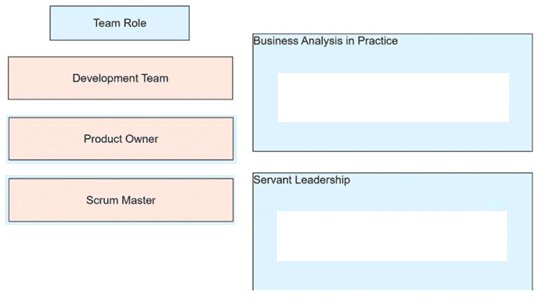
DRAG DROP A production team will soon begin their first agile project. No one in the team or management has agile knowledge. The training manager can only fund three enrollments. Match the team role on the left to the correct training course on the right. (Use all three of the team roles.) PMI PMP Exam Questions question

Drag & Drop
28 comments in the community discussion
6
I've seen this style before in practice tests. Development Team and Product Owner both get Business Analysis in Practice, Scrum Master goes with Servant Leadership.
5
I remember a similar scenario from labs, in practice, it's Business Analysis in Practice for Dev Team and Product Owner, Servant Leadership for Scrum Master.
Q: 8
A project steering committee meeting was arranged to approve a milestone of a project within two weeks. The project manager is informed that a new project executive will take over the project. What should the project manager do first?
Options
44 comments in the community discussion
5
D. PMI always wants stakeholder engagement first, so briefing the new exec fits best here.
1
D , you brief the new exec ASAP to keep them engaged and aligned before any big milestone. Stakeholder engagement first. Agree?
Q: 9

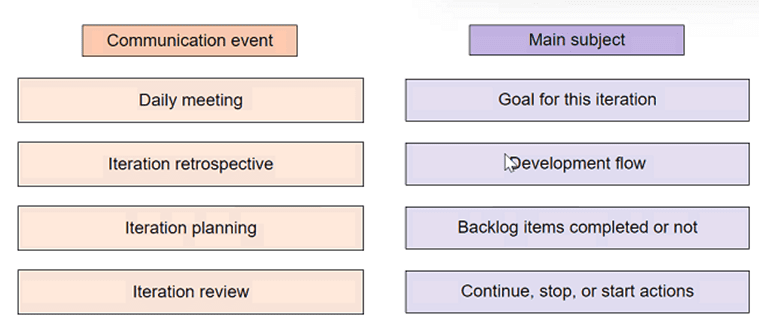
DRAG DROP Drag the communication event on the left to the main subject discussed during the event on the right. PMI PMP Exam Questions question

Drag & Drop
41 comments in the community discussion
6
Goal for this iteration → Iteration planning, Development flow → Daily meeting, Backlog items completed or not → Iteration review, Continue/stop/start actions → Iteration retrospective. That matches how Agile ceremonies are usually run. Pretty sure that's the mapping PMI expects but if someone has a different reasoning
6
Goal for this iteration → Iteration planning, Development flow → Daily meeting, Backlog items completed or not → Iteration review, Continue/stop/start actions → Iteration retrospective. Pretty sure others mix up review and retrospective since they're close.
Q: 10
A project manager just completed a successful deployment and is preparing to transition the project to an operational state before starting closeout actions. What should the project manager do to ensure that the project is ready to move to an operational state?
Options
43 comments in the community discussion
1
A tbh, every practice exam and the official guide I used said to check deliverables via WBS here.
1
Don't think C is right, even though it mentions approvals. The real focus before transitioning to operations is making sure all deliverables in the WBS have been completed. So A makes more sense here, pretty sure that's what PMI wants.
Q: 11
A new project manager has been assigned to an ongoing project because of the promotion of their predecessor. The new project manager needs to understand the levels of decision-making authority on the team. Which document should the incoming project manager review?
Options
8 comments in the community discussion
1
A , resource management plan shows who has what authority, saw this type in the official guide and practice tests.
1
B tbh is a bit of a trap, it deals with info distribution but not actual authority levels. A is the one that maps out roles and decision rights. Seen similar asked before.
Q: 12
While a project manager is trying to build the first baseline for a project, a change request is being sent from one of the functional managers. What should the project manager do?
Options
8 comments in the community discussion
6
Makes sense to me, option C. Before baseline is set, impact analysis is key. Pretty sure that's what PMP wants here.
5
Option C feels right, but here's a nitpick: if the org had a strict pre-baseline change protocol or was running a project under tight compliance (like in pharma), sometimes they'd push anything impactful to the CCB early on. But the PMP default is analyze impact first before formal process, especially when no baseli
Q: 13

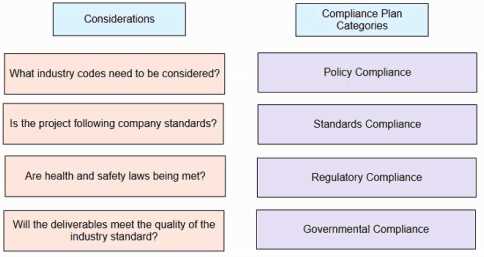
DRAG DROP A project manager is leading a project in a heavily regulated industry. Match the considerations on the left with the correct compliance plan categories on the right. PMI PMP Exam Questions question

Drag & Drop
5 comments in the community discussion
7
Policy Compliance -> Is the project following company standards, Standards Compliance -> Will the deliverables meet the quality of the industry standard, Regulatory Compliance -> What industry codes need to be considered, Governmental Compliance -> Are health and safety laws being met
Q: 14
A team is performing above expectations, and the sponsor wants to expand the project scope to benefit the organization. However, there are only a few team members with the needed leadership experience. What should the project manager do?
Options
10 comments in the community discussion
4
Option A. In this case, unless the risk gets clearly communicated and mitigated up front, PMI would see it as a process gap. Not saying C is never right, but here leadership bandwidth is a real constraint.
2
C tbh. If the project's already exceeding expectations, bringing in mentors and pushing forward could keep up momentum without pausing for new hires. Might not be textbook PMI but feels workable here.
Q: 15

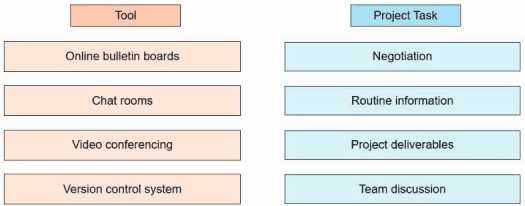
DRAG DROP An agile team is geographically separated across multiple continents, and the project manager is in the process of identifying the tools to manage the communication among the virtual teams. Drag the appropriate tool on the left to each project task on the right. PMI PMP Exam Questions question

Drag & Drop
8 comments in the community discussion
6
Seen this kind of mapping in practice tests, lines up with the official guide. Negotiation to Video conferencing, Routine info to Online bulletin boards, Deliverables to Version control system, Team discussion to Chat rooms.
2
Negotiation → Video conferencing, Routine info → Online bulletin boards, Deliverables → Version control system, Team discussion → Chat rooms. Makes sense since video is richer for tough convos and chat is best for ongoing team talks. I think this lines up with the best practice but open to debate.
Q: 16
A product owner is complaining about the team's performance. The developers are highly skilled, and most of the issues were caused by dependencies. The developers provide a formal status report every day, but it is clear that the other team members are not satisfied with this. What should the project lead do?
Options
7 comments in the community discussion
1
C vs B for me. C is tempting since detailed schedules sound PM-like, but I think B is what actually solves the lack of transparency here. Kanban wall exposes blockers and helps everyone-not just developers-see what's going on. Not totally sure though, open to hearing if anyone picked C for a reason.
1
Option B is what I'd see recommended in the official guide and exam practice-visual management like a task board improves transparency way better than just formal status reports.
Q: 17
A functional team member often becomes disruptive during status meetings and attempts to derail progress with the key stakeholders. This team member often discusses why the project will not be successful. What should the project manager do?
Options
5 comments in the community discussion
1
Option C (I think). Need to figure out why they're acting up first before jumping to solutions.
Yeah, I get the C or D debate but I’m leaning C. Need to know what’s really causing the behavior before trying to fix it. C
Q: 18

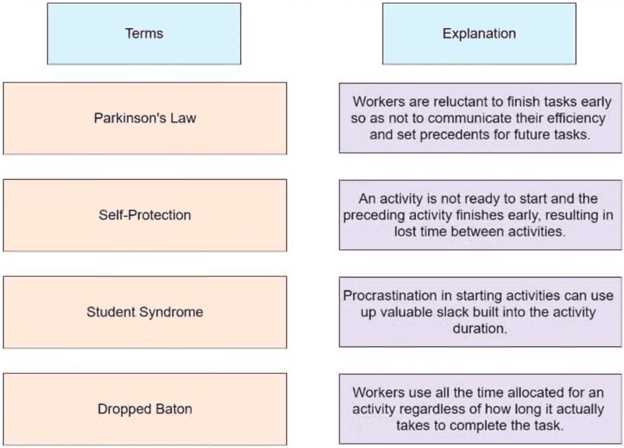
DRAG DROP A project team has developed the initial schedule using a network diagramming method and has arrived at the overall project duration. Upon examining the schedule, the project manager finds that there are several activities that may require buffers to mitigate or eliminate potential scheduling conflicts. Match the following common terms with their explanations that evaluate the buffers or constraints. PMI PMP Exam Questions question

Drag & Drop
10 comments in the community discussion
4
Self-Protection matches with reluctance to finish early, Dropped Baton is when the next task isn't ready after an early finish, Student Syndrome is classic last-minute start/procrastination, Parkinson's Law is using all the time given. This fits PMP CCPM terminology I think, but open if someone sees it differently.
4
Totally agree with mapping as: Parkinson's Law matches use all time, Self-Protection is reluctance to finish early, Student Syndrome aligns with procrastination, Dropped Baton for not ready after early finish. Lines up with how these terms are used, but happy to be corrected if I missed something.
Q: 19
During user acceptance testing (UAT), a manager declined a core application functionality that was originally requested by a subject matter expert (SME). Due to the manager's influence, the project team is concerned about the overall impact to the project. What should the project manager have done?
Options
8 comments in the community discussion
1
Its B here, since the real problem is unclear authority and not just missing out on stakeholders. Talking with the sponsor about roles would sort out who actually has decision power. Pretty sure that's what PMI wants.
1
Why would C be better if the SME's decision had priority over the manager's?
Q: 20

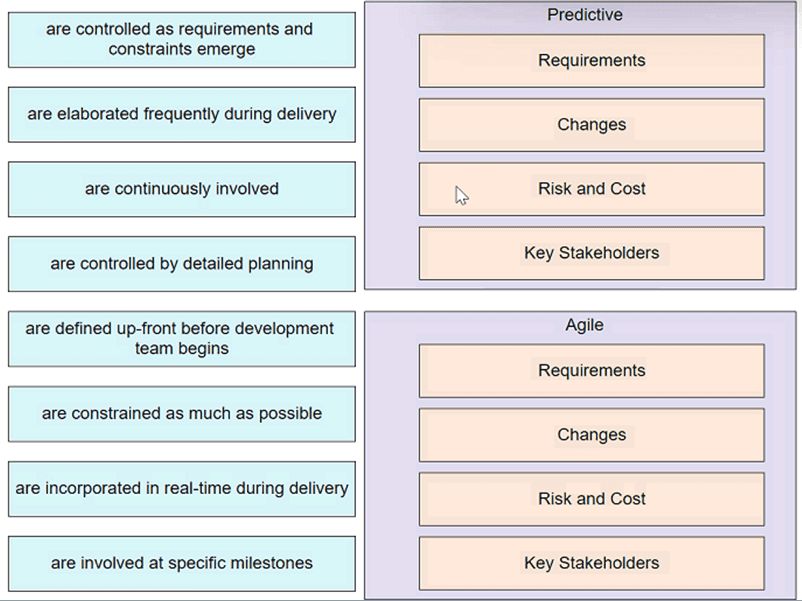
DRAG DROP Drag the items on left side to the matching term within the correct project approach on the right side. Enlarged

Drag & Drop
6 comments in the community discussion
8
Predictive: Requirements → are defined up-front before development team begins, Changes → are constrained as much as possible, Risk and Cost → are controlled by detailed planning, Key Stakeholders → are involved at specific milestones. Agile: Requirements → are elaborated frequently during delivery, Changes → are incor
3
Predictive: E, F, D, H. Agile: B, G, A, C. I don't think D for changes is right-trap option there! Pretty sure this is how PMI splits predictive vs agile based on risk and stakeholder involvement. Disagree?
Question 1 of 20

What's covered in this practice questions set

2: Process, · 9 questions

📖 About this Domain

The Process domain reinforces the technical aspects of managing a project through its lifecycle. It covers the knowledge areas and process groups, emphasizing value delivery across predictive, agile, and hybrid environments. This domain represents 50% of the PMP exam, focusing on the 'how' of project management.

🎓 What You Will Learn

  • You will learn to execute project management processes to deliver business value, focusing on methodologies like predictive, agile, and hybrid.
  • You will learn to manage project constraints, including scope, schedule, budget, quality, resources, and risk.
  • You will learn to implement a robust change control process and manage project artifacts to maintain project integrity.
  • You will learn to plan and manage procurement, stakeholder engagement, and communications effectively throughout the project lifecycle.

🛠️ Skills You Will Build

  • You will build the skill to tailor project methodologies and processes based on project, organizational, and environmental factors.
  • You will build proficiency in managing the triple constraint plus quality, resources, and risk through structured planning and control.
  • You will build the ability to implement integrated change control and manage project artifacts and knowledge transfer.
  • You will build competence in performance measurement using tools like Earned Value Management (EVM) to track project health.

💡 Top Tips to Prepare

  • Master the project management process groups and knowledge areas, understanding the flow of key inputs, tools, techniques, and outputs (ITTOs).
  • Focus on understanding how to apply processes in predictive, agile, and hybrid environments, as the exam is heavily scenario-based.
  • Utilize the PMP Examination Content Outline (ECO) as your primary study guide, as it details the specific tasks tested in this domain.
  • Practice extensively with situational questions that require you to select the best course of action for a given project scenario.

1: People, · 8 questions

📖 About this Domain

The People domain constitutes 42% of the PMP exam, emphasizing the soft skills required to effectively lead a project team. It covers tasks related to team building, conflict management, and stakeholder engagement. This domain integrates predictive, agile, and hybrid approaches to team leadership.

🎓 What You Will Learn

  • You will learn to manage conflict by applying resolution techniques to foster a positive team environment.
  • You will learn to lead a team by setting a clear vision, supporting diversity, and promoting servant leadership.
  • You will learn to support team performance through effective appraisal, feedback, and removing impediments.
  • You will learn to build and empower teams by defining ground rules, negotiating project agreements, and fostering shared ownership.

🛠️ Skills You Will Build

  • You will build conflict resolution skills to navigate interpersonal and team disagreements to maintain project momentum.
  • You will build servant leadership capabilities to empower, mentor, and support your project team's success.
  • You will build stakeholder engagement skills using tools like the stakeholder engagement assessment matrix.
  • You will build emotional intelligence to effectively manage interpersonal relationships and team dynamics.

💡 Top Tips to Prepare

  • Master the PMI mindset of a servant leader, focusing on empowering and enabling the team over command and control.
  • Study conflict management techniques and understand when to apply each, such as collaborate/problem-solve versus force/direct.
  • Review team development models like the Tuckman ladder and their application in situational project scenarios.
  • Practice situational questions that test your ability to apply emotional intelligence and stakeholder engagement strategies.

3: Business Environment · 3 questions

📖 About this Domain

The Business Environment domain connects project execution with organizational strategy and long-term value. It covers how projects are affected by internal and external factors, including compliance, organizational change, and benefits realization.

🎓 What You Will Learn

  • You will learn to plan and manage project compliance by confirming all necessary requirements and classifying compliance categories.
  • You will learn to evaluate and deliver project benefits and value by appraising the benefits management plan and ensuring benefit ownership.
  • You will learn to evaluate and address external business environment changes for their impact on the project scope and product backlog.
  • You will learn to support organizational change by assessing the organization's culture and evaluating the impact of change on project activities.

🛠️ Skills You Will Build

  • Strategic alignment skills to connect project deliverables directly to the organization's business case and strategic objectives.
  • Compliance management skills to identify and integrate regulatory, legal, and policy requirements into the project management plan.
  • Benefits realization management skills to track, measure, and report on the value delivered by the project.
  • Organizational change management skills to assess impacts and support stakeholder transitions for successful project adoption.

💡 Top Tips to Prepare

  • Master the purpose and lifecycle of the business case and the benefits management plan.
  • Understand how enterprise environmental factors (EEFs) and organizational process assets (OPAs) influence project decisions.
  • Connect business environment changes to adaptive planning, such as reprioritizing the backlog in an agile context.
  • Focus on the project manager's role in delivering business value, not just completing the project scope on time and budget.

Premium Access Includes

  • Quiz Simulator
  • Exam Mode
  • Progress Tracking
  • Question Saving
  • Flash Cards
  • Drag & Drops
  • 3 Months Access
  • PDF Downloads
Get Premium Access
Scroll to Top

FLASH OFFER

Days
Hours
Minutes
Seconds

avail 10% DISCOUNT on YOUR PURCHASE