B and D look right to me. You just need to plug the phone in (B) so it boots and registers, then have the user dial the self-provisioning IVR extension (D) to finish the association. That's how Cisco wants it done for Self-Provisioning, according to official guides and labs. If anyone's seen otherwise on recent exam practice, let me know.
Free 350-801 Practice Test Questions and Answers (2026) | Cert Empire Practice Questions
Free preview: 20 questions.
CISCO 350-801
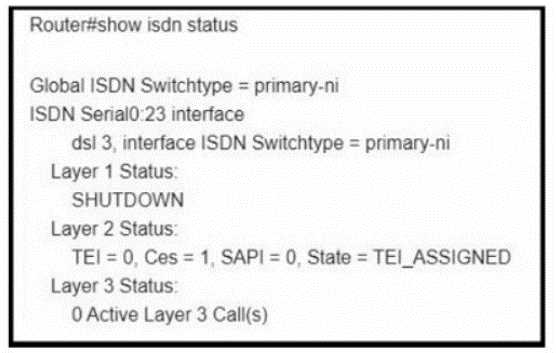
Refer to the exhibit. Users at a company located In New York cannot place calls. The New York gateway is configured with
P-199
a T1 ISDN PRI card with 24 channels. The engineer runs the show isdn status command and receives output. Which
action must the engineer take to resolve the issue?no shut should bring it up. Not totally sure if there's some weird config, but that's the typical Cisco issue here.Had something similar pop up in labs. You need to upgrade all devices to CE9.15 or newer before onboarding with Webex Control Hub, since older versions don't support the Device Connector tool needed for registration. Pretty sure it’s D here. Happy for someone to correct if I missed something.
Is the question asking for the main feature or just any method? If it says "best" or "primary," A is right, but if they're looking for something about call routing only, that might lean toward B.
codec statement, then no codec is assigned and it defaults to nothing until you add one. This is a common mistake, easy to overlook if you're expecting a default like G729r8. Maybe I'm missing something but pretty sure it's B unless there's hidden info.D is correct. If the exhibit actually shows codec g729r8 under the dial peer, that's the codec used for the call leg. B is a common trap if you miss the codec line, but it's probably visible in this config. Correct me if anyone's seeing something different in the screenshot.
P-31
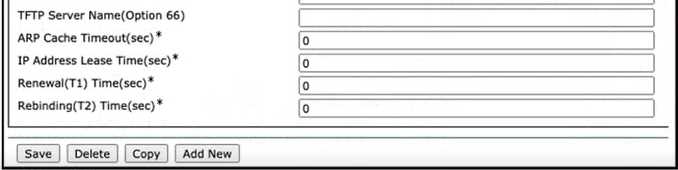
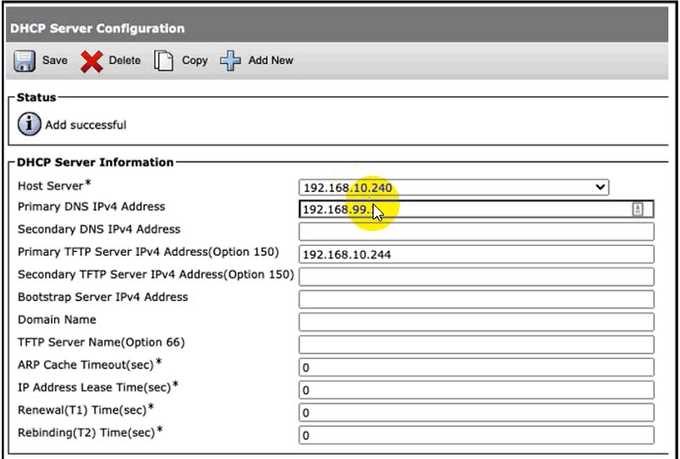
Refer to the exhibit. A collaboration engineer configures Cisco UCM to act as a DHCP server. What
must be done next to configure the DHCP server?Option A is it. SRST provides that fallback registration when the subscriber connection drops. Device Pool (D) only tells the phone which call manager group to use, doesn't handle reregistration itself. Seen this on similar exam questions, but happy if someone thinks otherwise.
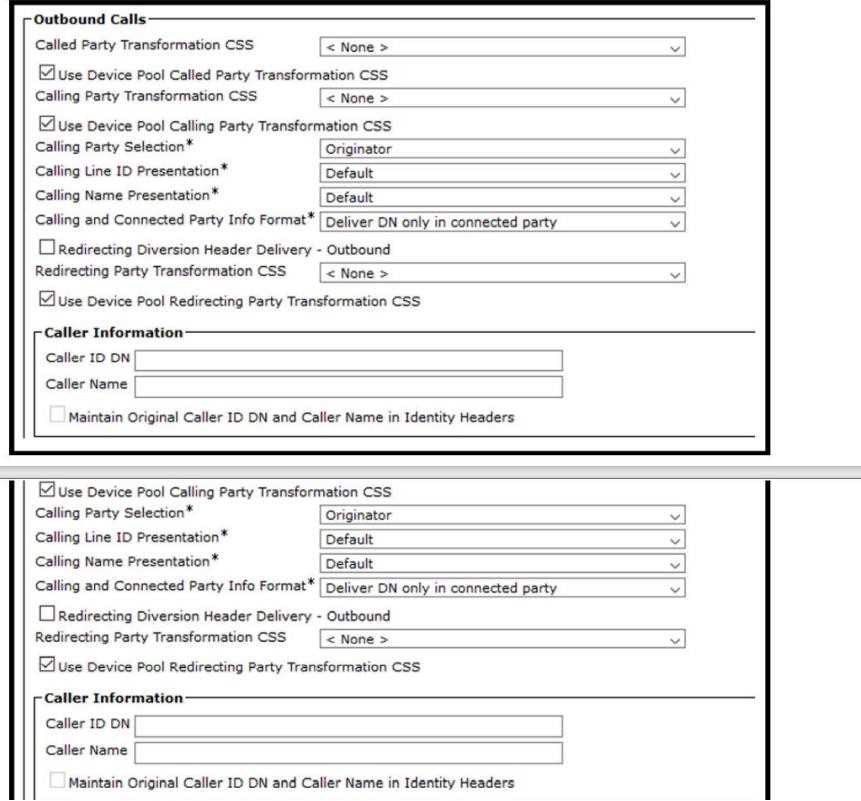
Easy to get tripped up here, but it's definitely D. Enabling the DHCP service just gets it running, but unless you actually add a DHCP subnet under UCM Admin, it won't hand out any addresses. A is about service activation, not the actual config part. Pretty sure this is what Cisco wants for this one-anyone see it differently?
I don't think it's B, C is actually the one you want. The exclamation point in 9.011! matches any number of digits after the international prefix, so you only need one pattern for all countries. B with @ seems right at first but that's usually for directory numbers, not dialing patterns in this context. Anyone still think @ could work here?
video codec h264 seems required for supporting a video stream. C is tricky, but usually pass-through is audio default. Open to being corrected.I thought A might be right since it mentions both registered and unregistered devices, but in similar exam questions the official guide emphasizes adjusting that "Maximum Registered Devices" value instead. Anyone else see references to A in practice test explanations?
I don’t think it’s A or B since those codecs aren’t even in the profile. From what I remember, DSPFarm can only transcode between the codecs it's configured for, so C and E fit. iLBC and G.728 are a trap here because they’re missing from the codec list.
Isn't this a bit tricky if you misread which codecs are actually registered in the dspfarm profile? If iLBC or G.728 aren't in the list, A and B can’t work at all even though they sound valid.
Does the question specify if international calls use a specific route pattern for 9 or if any translation patterns are applied before the PSTN? That would affect which steps convert the prefix correctly, since sometimes 9011 gets stripped as a block, but other configs might need more granular matches.
Refer to the exhibit. Unanswered calls do not reach the voicemail associated with the phones
Instead, callers receive the default greeting Which action fixes the configuration?I agree with the earlier posts, order should be: route pattern, then voice mail pilot, then voice mail profile, and finally voice mail server service parameters. That fits the usual UCM to Unity Connection workflow. I think that's right but let me know if you have a different experience.
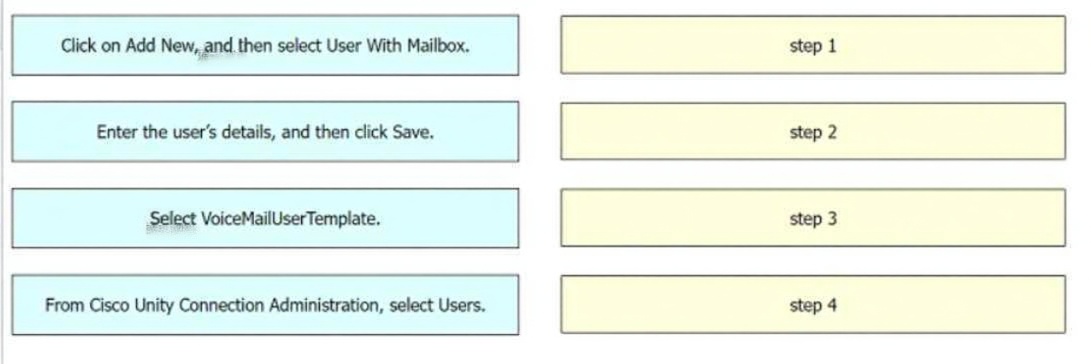
Pretty straightforward if you follow the admin flow. It should be: Unity Connection Administration > Telephony Integrations, then Port group page, Edit Servers Add, and finally enter TFTP server details then save. Order matters for the config to go smoothly!
DRAG DROP An engineer must add a new user account and mailbox in Cisco Unity Connection. Drag and drop the configuration steps from the left into the correct order on the right. P-190
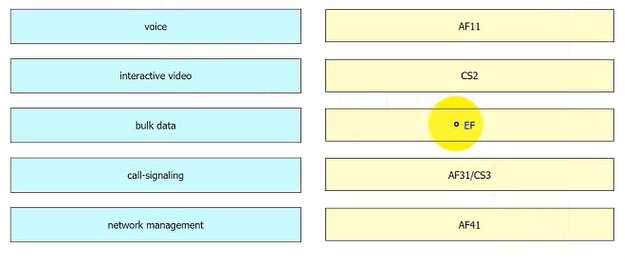
DRAG DROP According to the QoS Baseline Model, drag and drop the applications from the left onto the Per-Hop Behavior values on the right.