Free AZ-700 Practice Test Questions and Answers (2026)

View Mode
Q: 1
You have a hybrid environment that uses ExpressRoute to connect an on-premises network and Azure. You need to log the uptime and the latency of the connection periodically by using an Azure virtual machine and an on-premises virtual machine. What should you use?
Options
27 comments in the community discussion
6
Option C but only because Connection Monitor can actually track both latency and uptime across ExpressRoute hops. If this was just about internet endpoints, D might make sense. Anyone see docs saying otherwise?
1
Don’t think A works here. C is designed to actually monitor connectivity and latency between Azure and on-prem via ExpressRoute. Azure Monitor just pulls logs and basic metrics, not real path testing. Makes sense to me, but let me know if you read it differently.
Q: 2
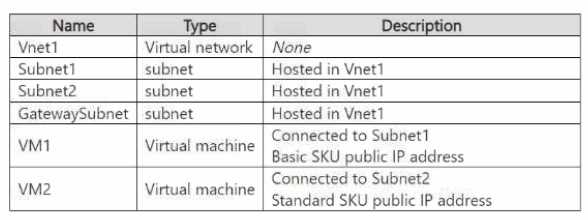
You have an Azure subscription that contains the resources shown in the following table. AZ-700 question You plan to deploy an Azure Virtual Network NAT gateway named Gateway 1. The solution must meet the following requirements: • VM1 will access the internet by using its public IP address. • VM2 will access the internet by using its public IP address. • Administrative effort must be minimized. You need to ensure that you can deploy Gateway1 to Vnet1. What is the minimal number of subnets that Vnet1 must have?
Options
24 comments in the community discussion
3
Option C
2
Option C is it. B's a trap since each VM that needs to keep its public IP for outbound can't be in a NAT subnet, so you need separate subnets plus the required GatewaySubnet. Definitely four here, not three.
Q: 3
You need to use Traffic Analytics to monitor the usage of applications deployed to Azure virtual machines. Which Azure Network Watcher feature should you implement first?
Options
24 comments in the community discussion
4
Option C
3
Option C
Q: 4
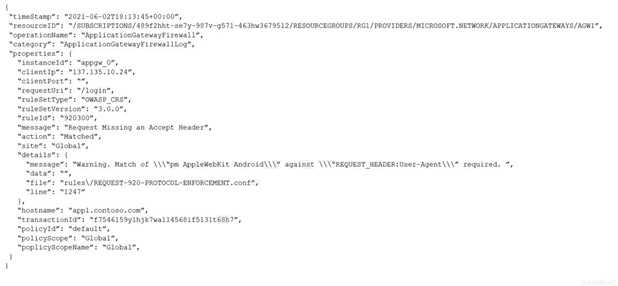
Note: This question is part of a series of questions that present the same scenario. Each question in the series contains a unique solution that might meet the stated goals. Some question sets might have more than one correct solution, while others might not have a correct solution. After you answer a question in this section, you will NOT be able to return to it. As a result, these questions will not appear in the review screen. You have an Azure application gateway that has Azure Web Application Firewall (WAF) enabled. You configure the application gateway to direct traffic to the URL of the application gateway. You attempt to access the URL and receive an HTTP 403 error. You view the diagnostics log and discover the following error. AZ-700 question You need to ensure that the URL is accessible through the application gateway. Solution: You create a WAF policy exclusion for request headers that contain 137.135.10.24. Does this meet the goal?
Options
29 comments in the community discussion
2
Can Microsoft make these WAF config questions any less clear? Anyway, it's got to be B since the log flagged the ARGS value, not the header. Header exclusion won't bypass a block on request arguments. Someone correct me if I'm missing a subtlety.
1
Maybe B based on what I've seen in the official guide and some Microsoft practice sets.
Q: 5
Note: This question is part of a series of questions that present the same scenario. Each question in the series contains a unique solution that might meet stated goals. Some question sets might have more than one correct solution, while others might not have a correct solution. After you answer a question in this section, you will NOT be able to return to it. As a result, these questions will not appear in the review screen. You have an Azure subscription that contains the following resources: * A virtual network named Vnet1 * A subnet named Subnet1 in Vnet1 * A virtual machine named VM1 that connects to Subnet1 * Three storage accounts named storage1, storage2. and storage3 You need to ensure that VM1 can access storage1. VM1 must be prevented from accessing any other storage accounts. Solution: You create a network security group (NSG). You configure a service tag for MicrosoftStorage and link the tag to Subnet1. Does this meet the goal?
Options
23 comments in the community discussion
4
Option B, check Microsoft docs or do a quick lab to see how NSG service tags actually work.
1
Not A, B here. Service tag for Microsoft.Storage applies to all storage accounts in the region, so you can't restrict VM1 just to storage1 with an NSG this way. You'll need more specific controls. Let me know if anyone got it working differently.
Q: 6
You have an Azure virtual network named Vnet1 that hosts an Azure firewall named FW1 and 150 virtual machines. Vnet1 is linked to a private DNS zone named contoso.com. All the virtual machines have their name registered in the contoso.com zone. Vnet1 connects to an on-premises datacenter by using ExpressRoute. You need to ensure that on-premises DNS servers can resolve the names in the contoso.com zone. Which two actions should you perform? Each correct answer presents part of the solution. NOTE: Each correct selection is worth one point.
Options
29 comments in the community discussion
2
Probably A and D. Using the firewall as a DNS proxy then forwarding from on-prem to FW1 lets you resolve private zone names across ExpressRoute. B looks like a trap since 168.63.129.16 isn't reachable from outside Azure VNet. Disagree?
1
C/D? I'd lean A and D since on-prem DNS can't hit 168.63.129.16 directly. Enabling DNS proxy on FW1 and forwarding queries from on-prem to the firewall handles private zone lookups. Not 100% but that's how I've seen it set up in hybrid environments.
Q: 7
You have an Azure Web Application Firewall (WAF) policy in prevention mode that is associated to an Azure Front Door instance. You need to configure the policy to meet the following requirements: Log all connections from Australia. Deny all connections from New Zealand. Deny all further connections from a network of 131.107.100.0/24 if there are more than 100 connections during one minute. What is the minimum number of objects you should create?
Options
34 comments in the community discussion
1
Its A, since you can’t mix different actions like Log and Block in a single WAF rule. I get why B looks tempting but it’s a trick option here. Seen something similar on practice tests, agree?
1
Why does Microsoft always split up rule types so much? I picked D since you could technically combine two actions as conditions (like block + log) in a single rule, then have another for the rate limit. But maybe I'm missing something with Azure's WAF limits here, not 100% sure.
Q: 8
You plan to configure BGP for a Site-to-Site VPN connection between a datacenter and Azure. Which two Azure resources should you configure? Each correct answer presents a part of the solution. (Choose two.) NOTE: Each correct selection is worth one point.
Options
32 comments in the community discussion
2
A/D. No explanation needed, these are the two required for BGP over S2S VPN with Azure.
2
I think it's A and C. Virtual network gateway makes sense, plus Azure Firewall sometimes comes up in practice tests for routing scenarios. Not 100% though, so check the official guide if unsure.
Q: 9
You have an Azure subscription that contains a user named Admin1 and a resource group named RG1. RG1 contains an Azure Network Watcher instance named NW1. You need to ensure that Admin1 can place a lock on NW1. The solution must use the principle of least privilege. Which role should you assign to Admin1?
Options
25 comments in the community discussion
2
A, not B. Network Contributor (B) looks tempting but it doesn't let you manage locks, that's a classic exam trap. From what I've seen in similar questions, User Access Administrator (A) is the least privilege option for locks specifically. If I'm missing something let me know.
1
Gotta be A here. User Access Administrator includes lock management without broader resource permissions, which fits the least privilege requirement. Network Contributor (B) can't manage locks. Pretty sure that's right but open if someone disagrees.
Q: 10
You are planning the IP addressing for the subnets in Azure virtual networks. Which type of resource requires IP addresses in the subnets?
Options
30 comments in the community discussion
2
C . Service endpoints need to be enabled per subnet and let traffic flow through the subnet, so I figured they'd require IPs too. Might be mixing up use with assignment though, anyone see it differently?
1
Had something like this in a mock, it's A.
Q: 11
Note: This question is part of a series of questions that present the same scenario. Each question in the series contains a unique solution that might meet the stated goals. Some question sets might have more than one correct solution, while others might not have a correct solution. After you answer a question in this section, you will NOT be able to return to it. As a result, these questions will not appear in the review screen. You have two Azure virtual networks named Vnet1 and Vnet2. You have a Windows 10 device named Client1 that connects to Vnet1 by using a Point-to-Site (P2S) IKEv2 VPN. You implement virtual network peering between Vnet1 and Vnet2. Vnet1 allows gateway transit. Vnet2 can use the remote gateway. You discover that Client1 cannot communicate with Vnet2. You need to ensure that Client1 can communicate with Vnet2. Solution: You enable BGP on the gateway of Vnet1. Does this meet the goal?
Options
13 comments in the community discussion
5
Option B is right here. Just enabling BGP on the Vnet1 gateway won’t let Client1 learn routes unless the client config itself has BGP support. Saw similar in some exam reports, always required an updated VPN config.
4
B or A? I'm going with B here since just enabling BGP on Vnet1's gateway won't help unless Client1 is set up to use BGP as well. The question doesn't mention updating the P2S client config. Anyone see it differently?
Q: 12
You have an Azure subscription that contains the following resources: A virtual network named Vnet1 Two subnets named subnet1 and AzureFirewallSubnet A public Azure Firewall named FW1 A route table named RT1 that is associated to Subnet1 A rule routing of 0.0.0.0/0 to FW1 in RT1 After deploying 10 servers that run Windows Server to Subnet1, you discover that none of the virtual machines were activated. You need to ensure that the virtual machines can be activated. What should you do?
Options
9 comments in the community discussion
C tbh
I don’t think D is required here. C, since a DNAT rule for 1688 on FW1 looks like the trap option.
Q: 13

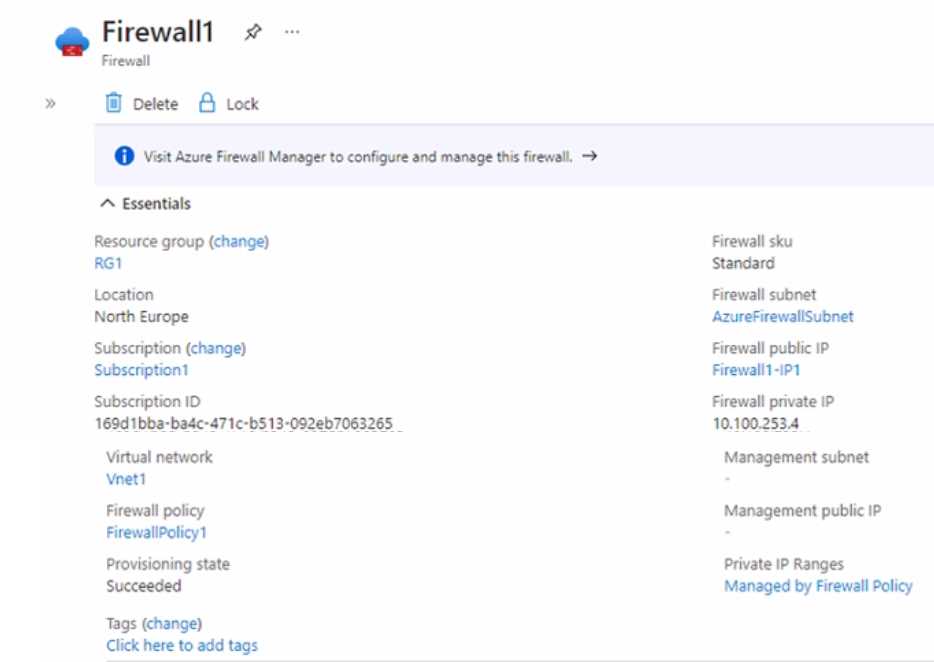
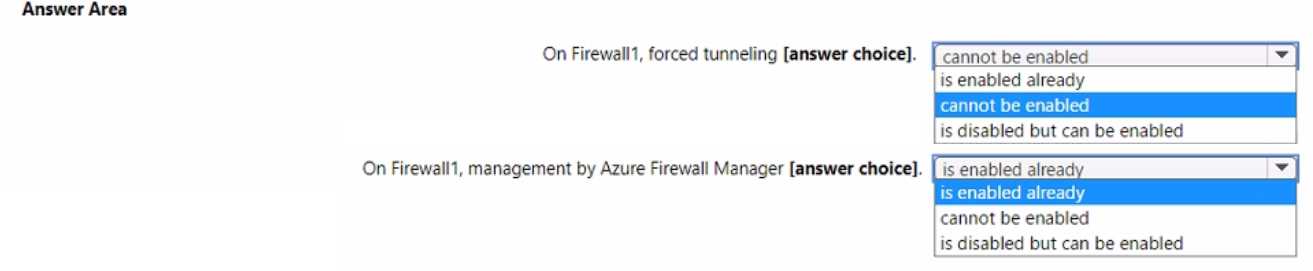
HOTSPOT You have the Azure firewall shown in the following exhibit. AZ-700 question Use the drop-down menus to select the answer choice that completes each statement based on the information presented in the graphic. NOTE: Each correct selection is worth one point. AZ-700 question
Your Answer
6 comments in the community discussion
8
Hmm I think forced tunneling can't be turned on after creating the firewall, so that should be the first answer. Also, looks like Firewall Manager is already managing it from the screenshot. Can anyone confirm if that's right?
1
Going off the screenshot, I’d check the official Azure docs or practice tests for forced tunneling and firewall manager details.
Q: 14

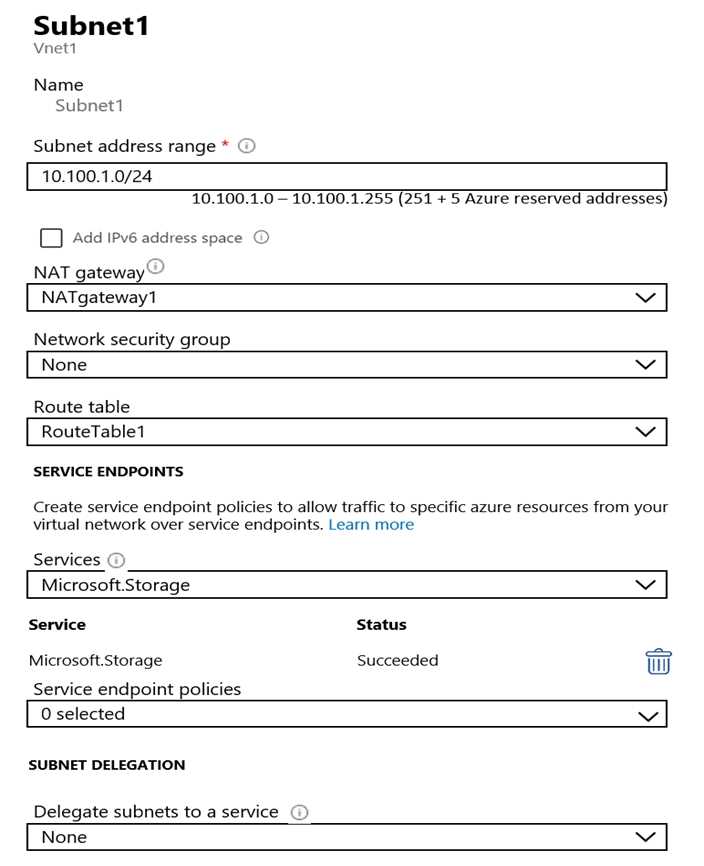
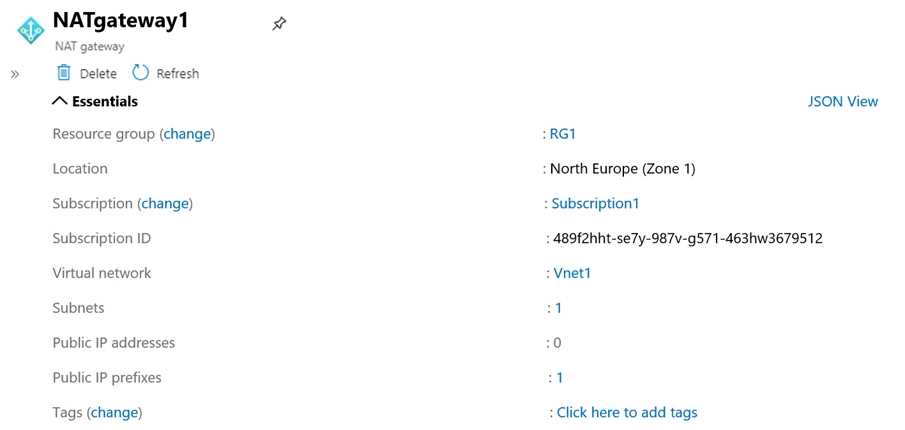
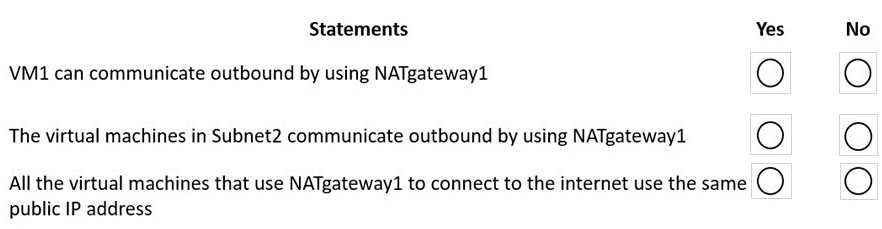
HOTSPOT You have an Azure virtual network named Vnet1 that contains two subnets named Subnet1 and Subnet2. You have the NAT gateway shown in the NATgateway1 exhibit. AZ-700 question You have the virtual machine shown in the VM1 exhibit. AZ-700 question Subnet1 is configured as shown in the Subnet1 exhibit. AZ-700 question For each of the following statements, select Yes of the statement is true. Otherwise, select No. NOTE: Each correct selection is worth one point. AZ-700 question

Your Answer
9 comments in the community discussion
6
Same as I've seen in some exam reports, so my picks are Yes for VM1 using NATgateway1, No for Subnet2 (since it's not linked), and No for all VMs using the same public IP. The prefix allows multiple public IPs, not forced to just one. Pretty sure that's right but open if someone disagrees.
1
Yes, No, No. Pretty sure that's right since only Subnet1 is linked to NATgateway1 and the prefix lets it use more than one public IP, not always the same one.
Q: 15

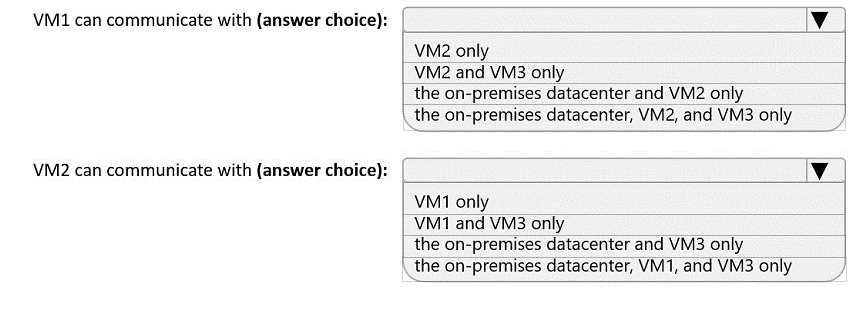
HOTSPOT You have an Azure environment shown in the following exhibit. AZ-700 question Use the drop-down menus to select the answer choice that completes each statement based on the information presented in the graphic. NOTE: Each correct selection is worth one point. AZ-700 question
Your Answer
10 comments in the community discussion
5
Makes sense, VM1 can talk to on-prem and VM2, and VM2 can reach on-prem, VM1, and VM3 only.
4
VM1 can reach the on-prem datacenter and VM2, but not VM3 since VNet peering isn't transitive. VM2 has access to on-prem, VM1, and VM3 only due to direct peerings plus gateway transit. Pretty sure that's right based on Azure networking basics.
Q: 16

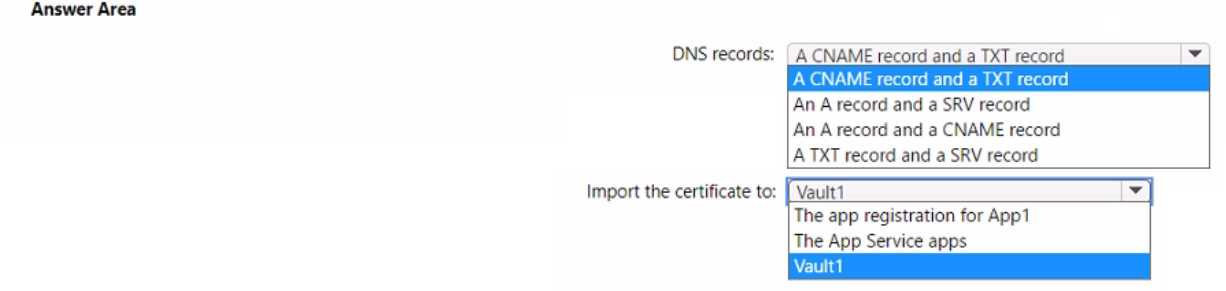
HOTSPOT You have an Azure subscription that contains an Azure key vault named Vaultl and an app registration for an Azure AD app named App1. You have a DNS domain named contoso.com that is hosted by a third-party DNS provider. You plan to deploy App1 by using Azure App Service. App1 will have the following configurations: • App1 will be hosted across five App Service apps. • Users will access App1 by using a URL of https://app1.contoso.com. • The user traffic of App1 will be managed by using Azure Front Door. • The traffic between Front Door and the App Service apps will be sent by using HTTP. • App1 will be secured by using an SSL certificate from a third-party certificate authority (CA). You need to support the Front Door deployment. Which two DNS records should you create, and to where should you import the SSL certificate for App1? To answer, select the appropriate options in the answer area. NOTE: Each correct selection is worth one point. AZ-700 question
Your Answer
8 comments in the community discussion
4
CNAME record and TXT record, then import the cert to Vault1. CNAME connects the custom domain to Front Door, TXT is for domain validation. For Azure Front Door, SSL certs should go in Key Vault, not App Service. Pretty sure this covers it but open if someone got a different setup on their labs.
1
What DNS record types did people see required for Azure Front Door in practice labs? Official docs say CNAME and TXT, but not sure if real exam ever expects different. Also, is Key Vault always the place to import SSL or can App Service handle it too in this scenario?
Q: 17

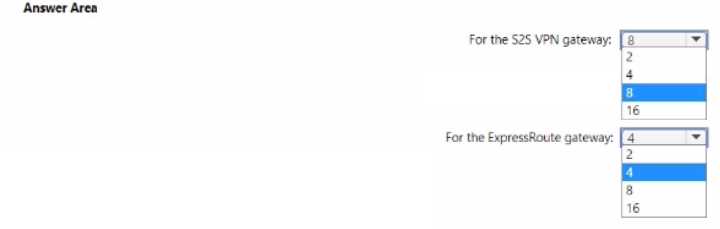
HOTSPOT You have an Azure subscription You plan to use Azure Virtual WAN. You need to deploy a virtual WAN hub that meets the following requirements: • Supports 4 Gbps of Site-to-Site (S2S) VPN traffic • Supports 8 Gbps of ExpressRoute traffic • Minimizes costs How many scale units should you configure? To answer select the appropriate options in the answer area. NOTE Each correct selection is worth one point. AZ-700 question

Your Answer
8 comments in the community discussion
6
Ugh, not sure but I think it’s 8 for S2S VPN and 4 for ExpressRoute, right?
2
Nah, not the reverse-it's 8 scale units for S2S VPN (trap is thinking it's less), and 4 for ExpressRoute.
Q: 18
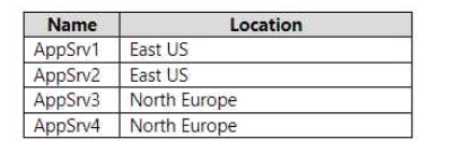
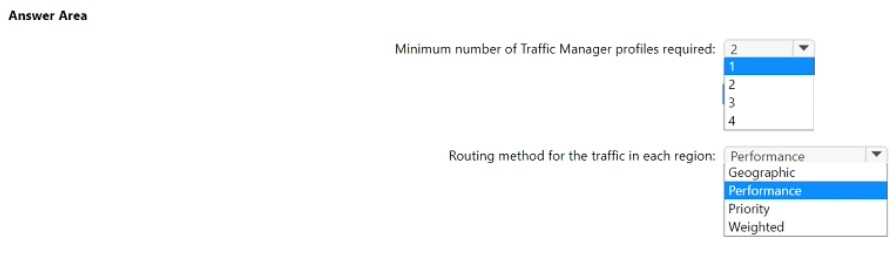
HOTSPOT You have an Azure subscription that contains an app named Appl. App1 is hosted on the Azure App Service instances shown in the following table. AZ-700 question You need to implement Azure Traffic Manager to meet the following requirements: • App1 traffic must be assigned equally to each App Service instance in each Azure region. • App1 traffic from North Europe must be routed to the Appl instances in the North Europe region. • App1 traffic from North America must be routed to the Appl instances in the East US Azure region. AZ-700 question
Your Answer
7 comments in the community discussion
3
Curious, why not use Priority for the child Traffic Manager profiles if high availability was a concern in this scenario? Is Weighted the only option to evenly distribute traffic within each region, or does Priority ever make sense here for equal load?
3
Why not Priority for the second box? Wonder if Weighted is only needed for even split when there's no failover.
Q: 19

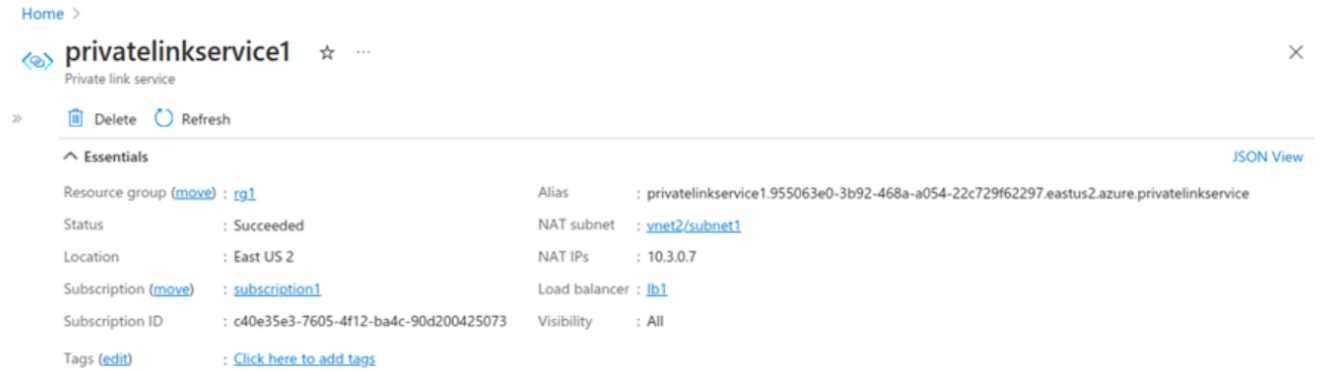
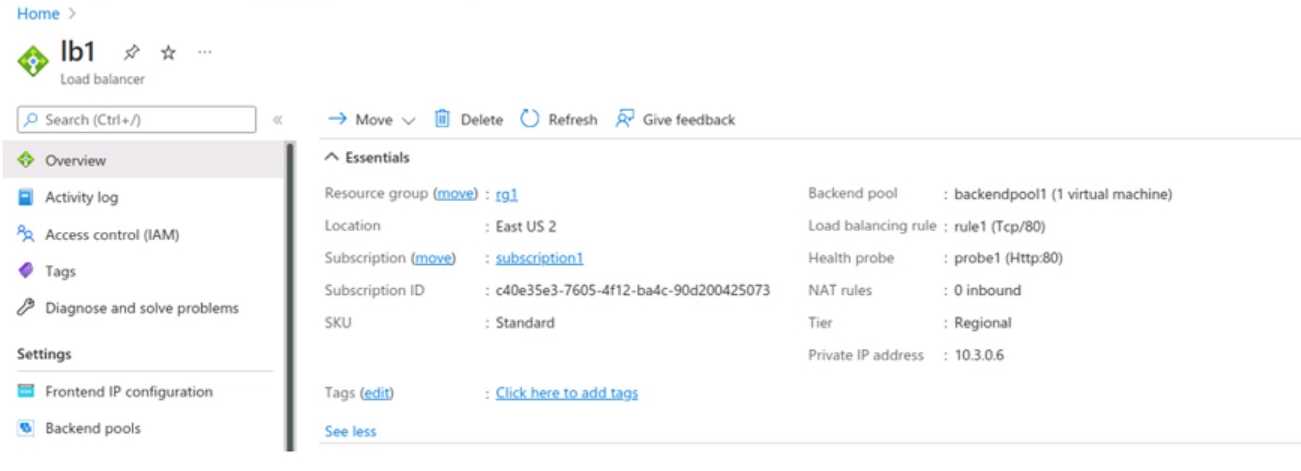
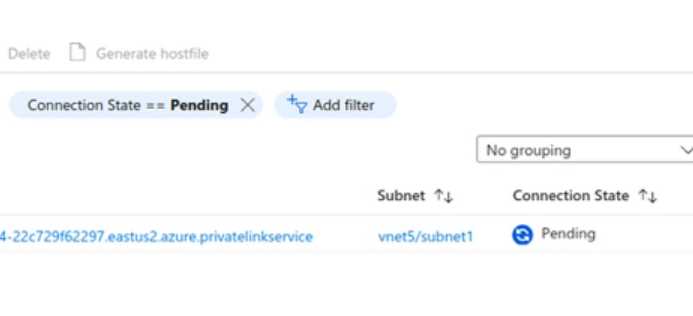
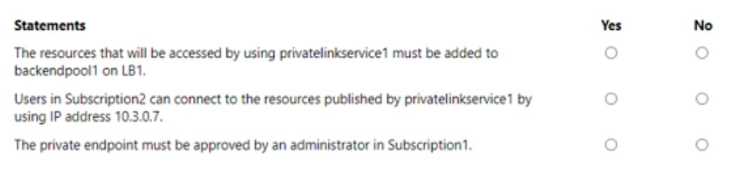
HOTSPOT You have two Azure subscriptions named Subscription1 and Subscription2. There are no connections between the virtual networks in two subscriptions. You configure a private link service as shown in the privatelinkservice1 exhibit. (Click the privatelinkservice1 tab.) AZ-700 question You create a load balancer name in Subscription1 and configure the backend pool shown in the lb1 exhibit. (Click tie 1b1 tab.) AZ-700 question You create a private endpoint in Subscription2 as shown in the privateendpoint4 exhibit. (Click the privateendpoint4) AZ-700 question For each of the following statements, select YES if the statement is true. Otherwise. select No. AZ-700 question

Your Answer
8 comments in the community discussion
2
Not convinced it's 10.3.0.7 for Subscription2 users. They connect with the private endpoint IP from their vnet, not the provider's NAT IP, so that statement should be No. The backend pool detail is a classic trap here-resources must be in the load balancer backend pool for Private Link to work right. Anyone see a ca
1
So for the NAT IP question-are you sure Subscription2 users could ever connect with 10.3.0.7 directly? That IP is only exposed in the provider vnet, isn't it? Just want to double check the logic before I commit.
Q: 20

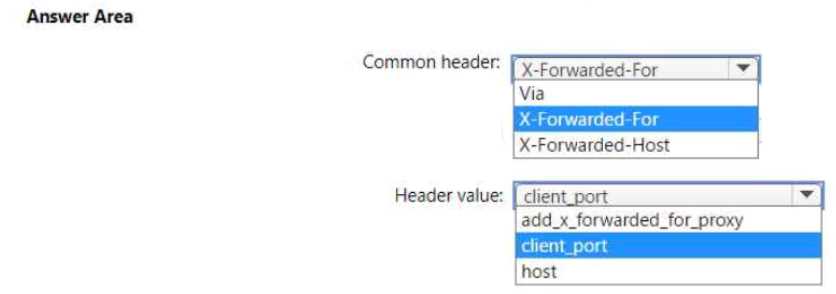
HOTSPOT You have an Azure application gateway. You need to create a rewrite rule that will remove the origin port from the HTTP header of incoming requests that are being forwarded to the backend pool. How should you configure each setting? To answer, select the appropriate options in the answer area. NOTE: Each correct selection is worth one point. AZ-700 question
Your Answer
5 comments in the community discussion
2
Which HTTP header would you target for removing just the port info in this rewrite?
1
Makes sense-you want to strip just the port. Set X-Forwarded-Host header to host.
Question 1 of 20

Premium Access Includes

  • Quiz Simulator
  • Exam Mode
  • Progress Tracking
  • Question Saving
  • Flash Cards
  • Drag & Drops
  • 3 Months Access
  • PDF Downloads
Get Premium Access
Scroll to Top

FLASH OFFER

Days
Hours
Minutes
Seconds

avail 10% DISCOUNT on YOUR PURCHASE