Option C feels right, but here's a nitpick: if the org had a strict pre-baseline change protocol or was running a project under tight compliance (like in pharma), sometimes they'd push anything impactful to the CCB early on. But the PMP default is analyze impact first before formal process, especially when no baseline is set yet. Slight chance D could fit in some edge cases, but I think C is what the exam looks for. Anyone read this differently?
I don't think it's D. C is better here since the baseline isn't set yet, so formal change control doesn't apply. Analyze the impact first is what most similar practice questions expect. If the question said “after baseline is approved,” then I'd consider D-does everyone agree?
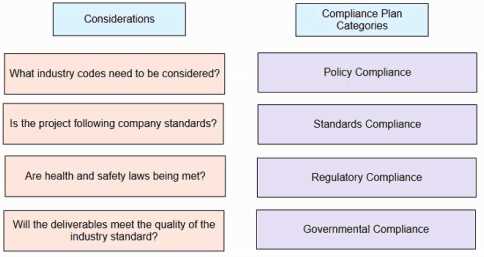
DRAG DROP A project manager is leading a project in a heavily regulated industry. Match the considerations on the left with the correct compliance plan categories on the right.
I’d actually go with C here. Since the team is already outperforming, implementing the expansion and upskilling the team through mentoring looks like a reasonable next step in practice. I think this handles the sponsor’s request faster, but maybe A covers more risk officially?
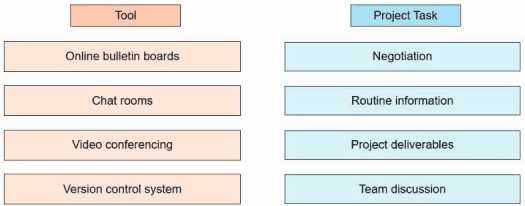
DRAG DROP An agile team is geographically separated across multiple continents, and the project manager is in the process of identifying the tools to manage the communication among the virtual teams. Drag the appropriate tool on the left to each project task on the right.
Seen this kind of mapping in practice tests, lines up with the official guide. Negotiation to Video conferencing, Routine info to Online bulletin boards, Deliverables to Version control system, Team discussion to Chat rooms.
Negotiation → Video conferencing, Routine info → Online bulletin boards, Deliverables → Version control system, Team discussion → Chat rooms. Curious if they're asking for the best tool only, or if any acceptable tool per task would change the mapping?
Not 100% sure since chat for negotiation is tempting if video isn't available. Some guides mention chat can be acceptable for fast back-and-forth even for negotiations. Willing to hear if folks think this mapping misses the mark.
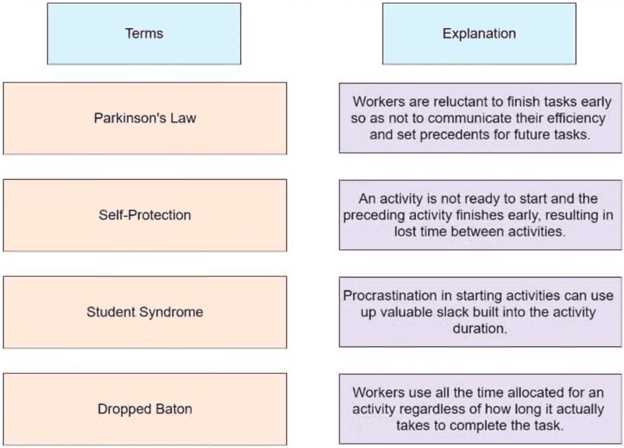
DRAG DROP A project team has developed the initial schedule using a network diagramming method and has arrived at the overall project duration. Upon examining the schedule, the project manager finds that there are several activities that may require buffers to mitigate or eliminate potential scheduling conflicts. Match the following common terms with their explanations that evaluate the buffers or constraints.
Self-Protection matches with reluctance to finish early, Dropped Baton is when the next task isn't ready after an early finish, Student Syndrome is classic last-minute start/procrastination, Parkinson's Law is using all the time given. This fits PMP CCPM terminology I think, but open if someone sees it differently.
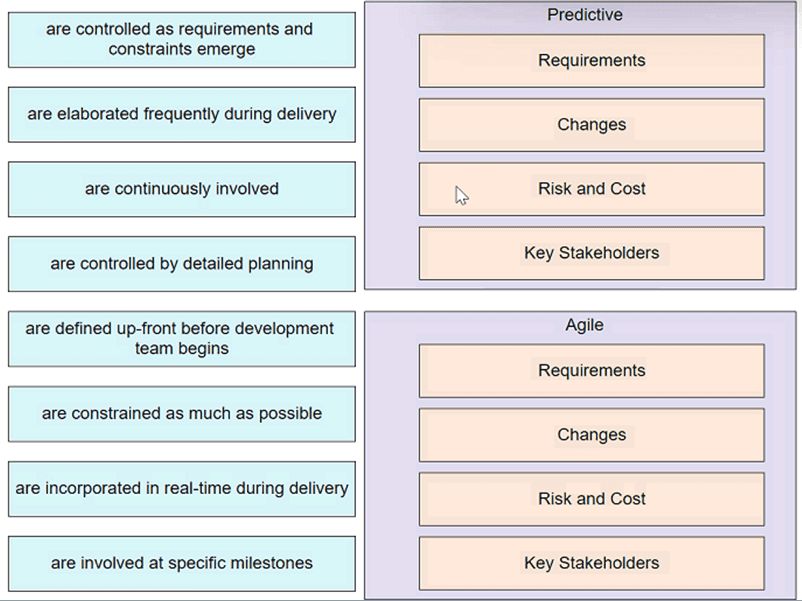
DRAG DROP Drag the items on left side to the matching term within the correct project approach on the right side.