NIST Special Publication 800-61 Rev. 2, Computer Security Incident Handling Guide. Section 3.2.3, "Sources of Precursors and Indicators," discusses how network traffic logs (like the file server/proxy logs) and host-based security software logs (like the SIEM logs) are primary sources for detecting and analyzing security incidents. Correlating data between these sources is fundamental to identifying compromised hosts. (p. 25).
Carnegie Mellon University, Software Engineering Institute. The CERT Guide to Insider Threats: How to Prevent, Detect, and Respond to Information Risk. Addison-Wesley, 2012. Chapter 14, "Analyzing System Logs," explains the importance of correlating different log types (e.g., network proxy and host process logs) to build a timeline of an attack and confirm a system compromise.
Russinovich, M. E., Solomon, D. A., & Ionescu, A. Windows Internals, Part 1 (7th ed.). Microsoft Press, 2017. Chapter 5, "Processes, Threads, and Jobs," details the legitimate system processes in Windows. An executable like mailclient.exe, which is not a standard Windows or common application process, would warrant investigation as potentially malicious during a forensic analysis.

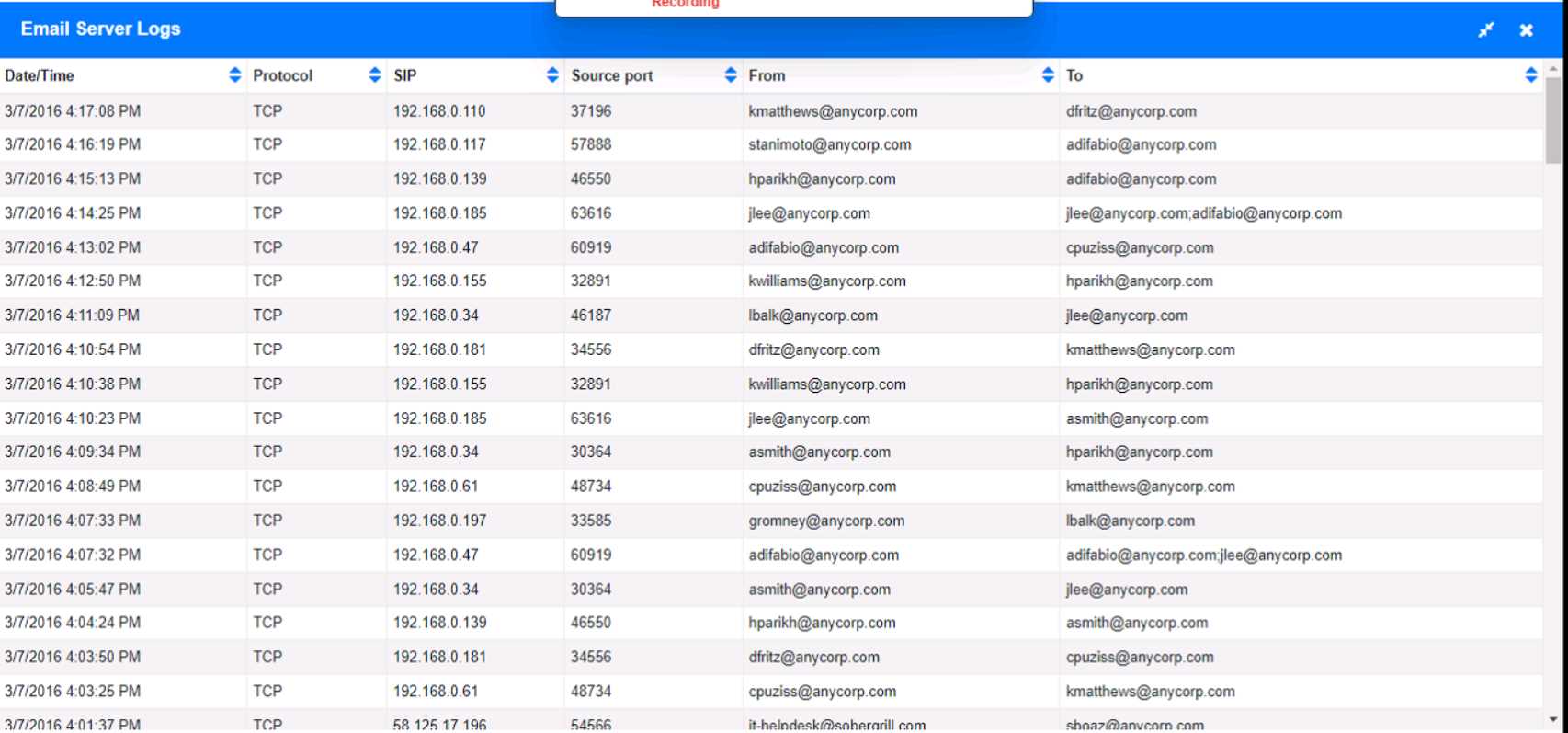
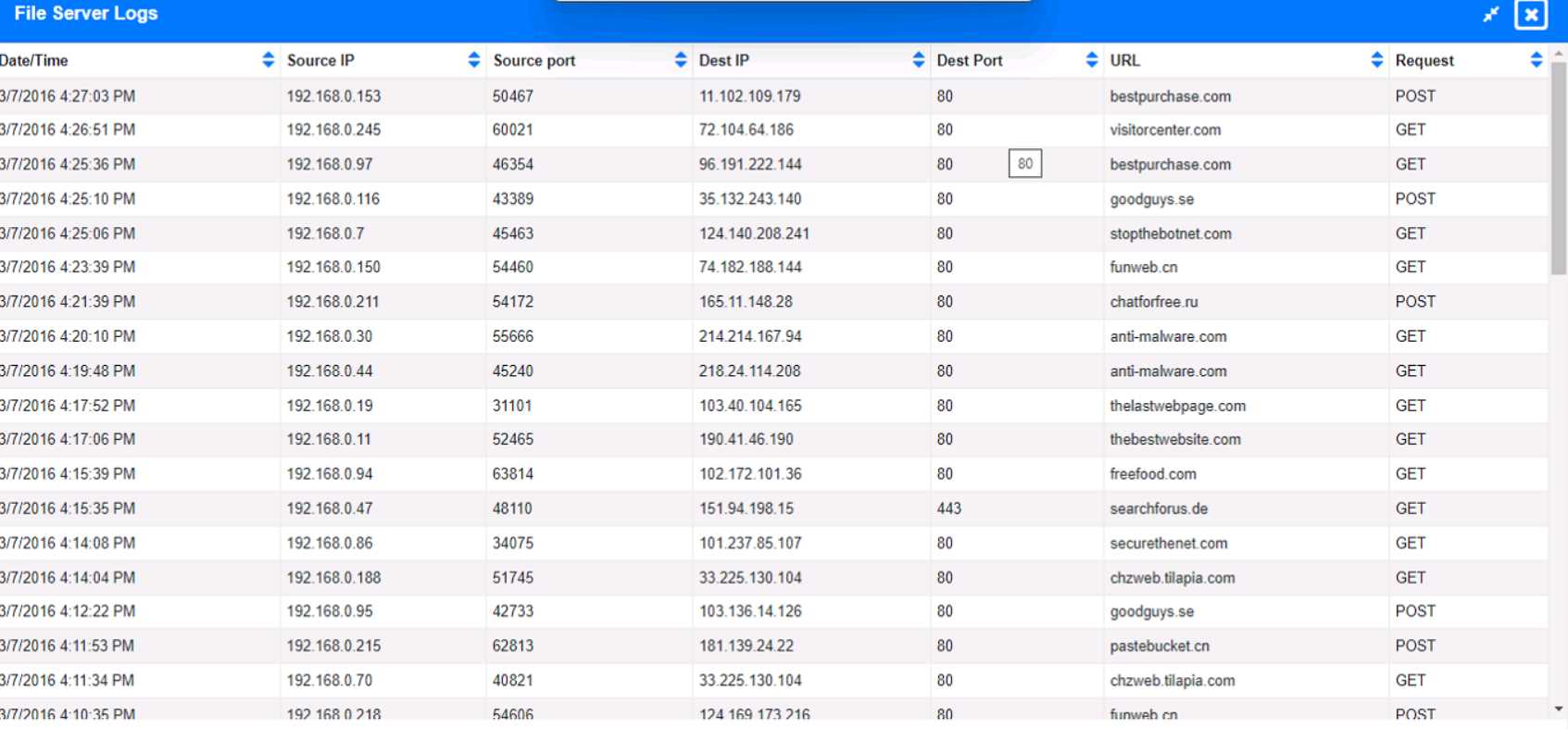
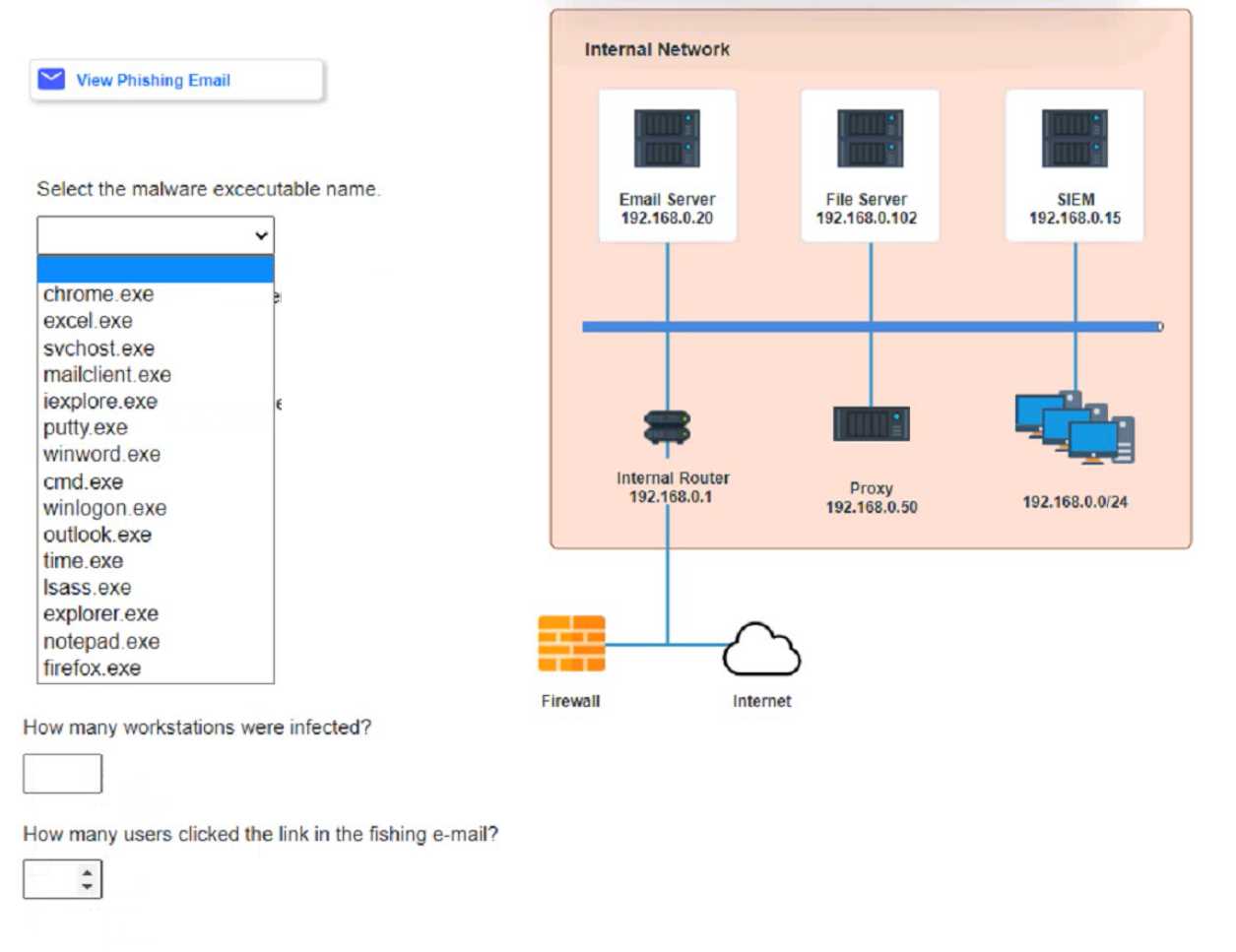
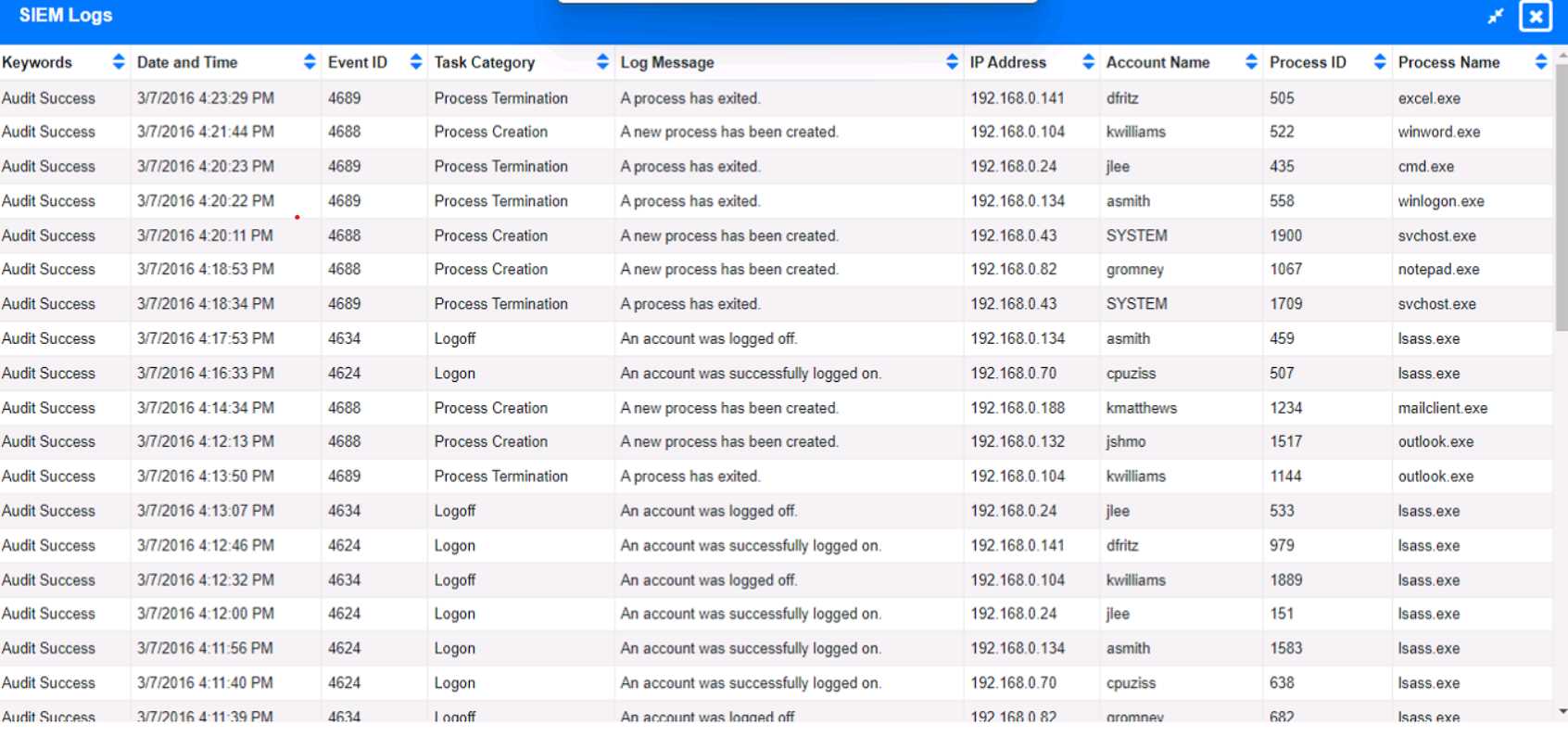 Review the information provided and determine the following: 1. HOW many employees Clicked on the link in the Phishing email? 2. on how many workstations was the malware installed? 3. what is the executable file name of the malware?