Free ARA-R01 Practice Test Questions and Answers (2026)
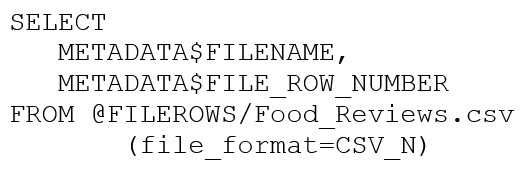
How can this query be interpreted?What's covered in this practice questions set
2: Implementing and Deploying a Solution · 6 questions
📖 About this Domain
This domain covers the practical execution of Snowflake architectural designs. It focuses on deploying data ingestion pipelines, security controls, and performance configurations. You will be tested on translating a solution design into a functional Snowflake implementation.
🎓 What You Will Learn
- Implement continuous data ingestion with Snowpipe and bulk loading with COPY INTO, including transformations using file formats.
- Configure network policies, SSO/MFA, and build robust RBAC models with managed access schemas and future grants.
- Deploy and manage virtual warehouses, set up resource monitors, and leverage features like query acceleration service.
- Establish secure data sharing using shares and data exchanges, and configure database replication for disaster recovery.
🛠️ Skills You Will Build
- Automate ELT pipelines using a combination of Snowpipe, streams, and tasks for change data capture (CDC).
- Implement column-level security using dynamic data masking and row-level security with row access policies.
- Optimize query performance and cost by right-sizing warehouses, setting scaling policies, and analyzing the query profile.
- Script the deployment of Snowflake objects and security grants using SnowSQL for infrastructure-as-code practices.
💡 Top Tips to Prepare
- Memorize the syntax and options for the COPY INTO command, especially for handling data errors and transformations.
- Practice creating complex role hierarchies and understand the flow of privileges and object ownership.
- Know the specific use cases for multi-cluster warehouses, scaling policies, and when to use the query acceleration service.
- Understand the distinction between a share consumer and provider, and the process for setting up replication and failover.
1: Architecting a Solution · 2 questions
📖 About this Domain
This domain covers the design of end-to-end data solutions within the Snowflake Data Cloud. It emphasizes translating business requirements into technical architecture, including data models, ingestion patterns, and security frameworks. The focus is on architecting scalable, secure, and cost-effective Snowflake deployments.
🎓 What You Will Learn
- You will learn to design optimal database schemas, including tables, views, and materialized views for analytical workloads.
- You will learn to evaluate and select appropriate data loading methods like Snowpipe, COPY INTO, and third-party ETL/ELT tools.
- You will learn to implement a comprehensive security model using role-based access control (RBAC), data masking, and row-access policies.
- You will learn to architect solutions that optimize query performance and manage credit consumption using virtual warehouses and clustering keys.
🛠️ Skills You Will Build
- You will build the skill to translate complex business needs into a detailed Snowflake technical architecture.
- You will build the ability to design and orchestrate data pipelines for batch and near real-time data ingestion using streams and tasks.
- You will build proficiency in applying Snowflake's security features to create a secure and compliant data environment.
- You will build the skill to configure Snowflake features like virtual warehouses, resource monitors, and data clustering for optimal performance and cost.
💡 Top Tips to Prepare
- Master Snowflake's unique architecture, including the separation of storage and compute, and the cloud services layer.
- Review data loading best practices for Snowpipe, COPY INTO, and the Kafka connector to understand specific use cases.
- Practice complex RBAC scenarios involving role hierarchies, grants, and future grants to enforce least-privilege access.
- Understand virtual warehouse configuration options like multi-cluster warehouses, scaling policies, and statement timeouts to manage cost and performance.
4: Optimizing a Solution · 1 questions
📖 About this Domain
This domain covers methodologies for tuning Snowflake performance and managing credit consumption. It emphasizes analyzing query execution, implementing data layout strategies, and configuring compute resources for efficiency. Architects must demonstrate proficiency in identifying and resolving performance bottlenecks.
🎓 What You Will Learn
- Analyze query performance using the Query Profile to identify issues like remote spilling, inadequate pruning, and queuing.
- Implement and manage clustering keys on large tables to optimize data retrieval and reduce micro-partition scanning.
- Determine appropriate use cases for materialized views versus the search optimization service for query acceleration.
- Configure virtual warehouses, including sizing, scaling policies, and multi-cluster settings, to balance performance and cost.
🛠️ Skills You Will Build
- Diagnosing inefficient query patterns by interpreting query plans and execution statistics.
- Designing data clustering strategies by analyzing table cardinality and common query filter predicates.
- Evaluating the cost-benefit of performance-enhancing features like materialized views and search optimization.
- Implementing cost control mechanisms using resource monitors and analyzing credit usage via the ACCOUNT_USAGE schema.
💡 Top Tips to Prepare
- Master the interpretation of the Query Profile, focusing on operator statistics like bytes spilled to local or remote storage.
- Understand the specific query patterns that benefit from clustering, materialized views, and the search optimization service.
- Practice warehouse sizing scenarios, knowing when to scale up for complexity versus scale out for concurrency.
- Familiarize yourself with key views in the SNOWFLAKE.ACCOUNT_USAGE schema, such as QUERY_HISTORY and WAREHOUSE_METERING_HISTORY.
3: Managing and Maintaining a Solution · 1 questions
📖 About this Domain
This domain focuses on the operational lifecycle of a Snowflake solution after implementation. It covers the critical processes for monitoring, managing, and optimizing accounts, costs, performance, security, and data continuity.
🎓 What You Will Learn
- You will learn to leverage the SNOWFLAKE.ACCOUNT_USAGE schema and Information Schema for comprehensive monitoring of system activities and resource consumption.
- You will understand how to implement and manage resource monitors, set account-level budgets, and analyze credit usage to control costs effectively.
- You will learn performance tuning techniques by analyzing the query profile, optimizing warehouse configurations, and managing concurrency.
- You will grasp how to configure database replication and failover/failback groups to architect a robust business continuity and disaster recovery solution.
🛠️ Skills You Will Build
- You will build the skill to proactively manage Snowflake costs by configuring alerts and suspension policies using resource monitors.
- You will develop the ability to diagnose query performance issues by interpreting the query execution plan and identifying bottlenecks like disk spilling.
- You will gain proficiency in implementing and auditing security controls, including network policies, RBAC roles, and data governance features like masking.
- You will learn to architect and execute a disaster recovery strategy, including the setup of replication schedules and client redirect for seamless failover.
💡 Top Tips to Prepare
- Master the key views within the SNOWFLAKE.ACCOUNT_USAGE schema, especially QUERY_HISTORY, WAREHOUSE_METERING_HISTORY, and ACCESS_HISTORY.
- Practice reading and interpreting the query profile in the UI to identify common performance problems and their corresponding solutions.
- Understand the differences and use cases for account replication versus database replication for business continuity planning.
- Review all parameters associated with resource monitors, including credit quotas, triggers, and the actions they can perform on warehouses and accounts.