Q: 1
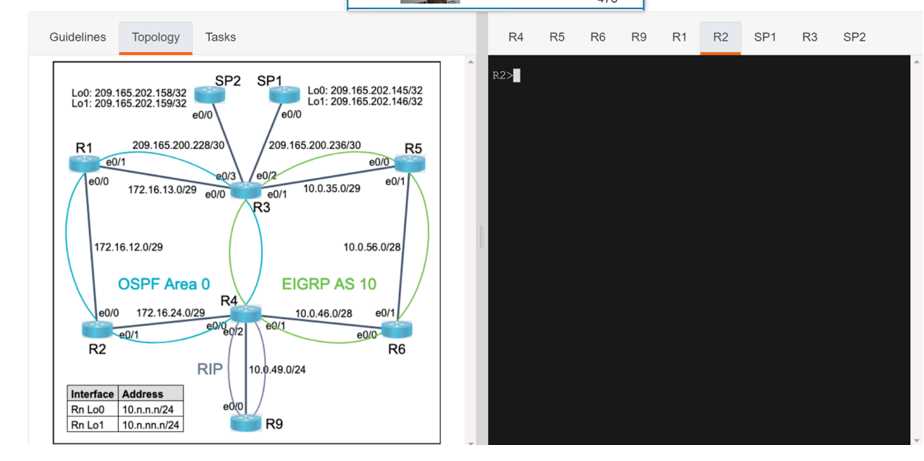
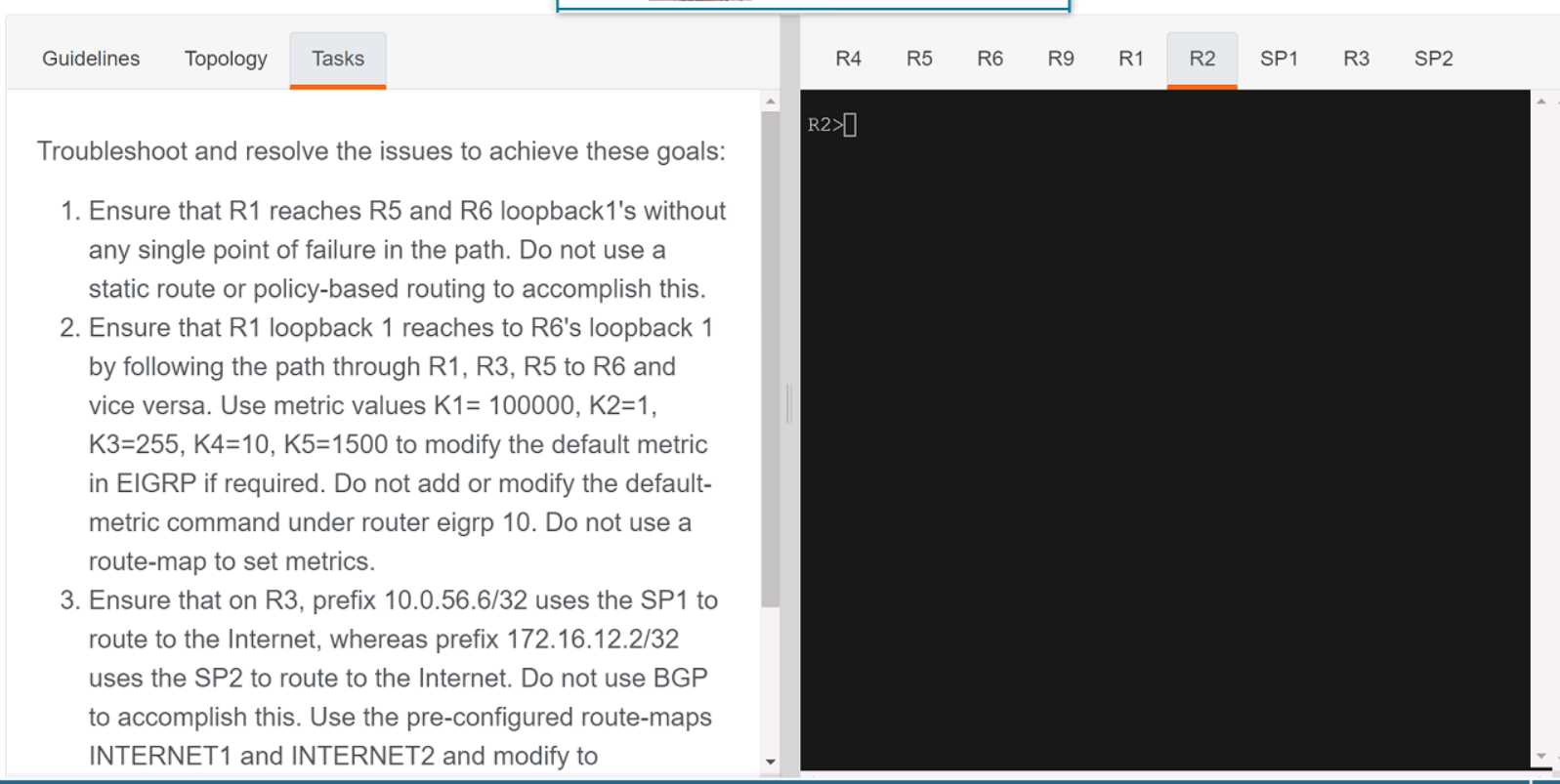
Refer to the exhibit. SIMULATION 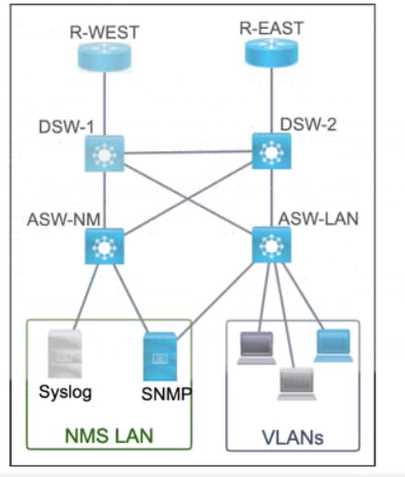
Your Answer
Discussion
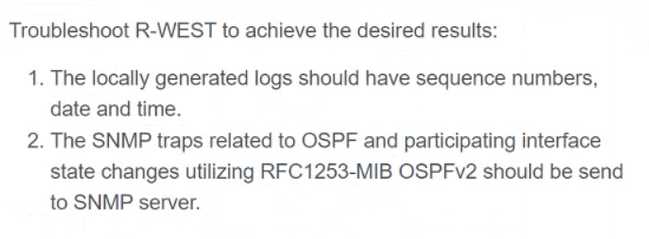
service timestamps log datetime, service sequence-numbers, and snmp-server enable traps ospf
Those three fit the requirements: timestamps on logs, sequence numbers, and enabling OSPF SNMP traps. I don't see anything in the question specifying where logs need to go (console or buffer), so adding something like logging buffered isn't needed here. Pretty sure just these three are enough unless I've missed a log destination directive-any objections?
Nice, just need these commands:
service timestamps log datetime, service sequence-numbers, and snmp-server enable traps ospf.Only need service timestamps and sequence-numbers unless log destination like 'logging buffered' is mentioned, from what I've seen.
Not seeing a log storage requirement, so just timestamps, sequence-numbers, and SNMP OSPF trap config.
Just config timestamps, sequence-numbers, and SNMP OSPF traps here. No need for logging buffered since the question doesn't specify log storage.
It's just
service timestamps log datetime, service sequence-numbers, and snmp-server enable traps ospf. No mention of log storage so no need for logging buffered. Pretty sure that's what the exam wants but someone might get tripped up by thinking buffering is needed.logging buffered
There's always the trap that logging config should include buffering for troubleshooting, right? I think it's needed here even if not 100% explicit.
Yep just need the timestamps, sequence-numbers, and OSPF SNMP traps config.
Had something like this in a mock before, correct config is just timestamps, sequence-numbers, and OSPF SNMP traps.
Do we actually need
logging buffered here, or just the timestamps and SNMP OSPF trap commands?Be respectful. No spam.