
Q: 12
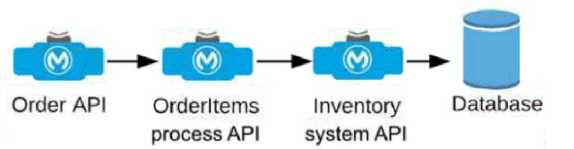
An Order API triggers a sequence of other API calls to look up details of an order's items in a back-
end inventory database. The Order API calls the OrderItems process API, which calls the Inventory
system API. The Inventory system API performs database operations in the back-end inventory
database.
The network connection between the Inventory system API and the database is known to be
unreliable and hang at unpredictable times.
Where should a two-second timeout be configured in the API processing sequence so that the Order
API never waits more than two seconds for a response from the Orderltems process API?

Options
Discussion
Does the question mean "best location" for the timeout or just where it would have any effect? If it asks for the best place, B is right, but if it's about any valid timeout, A could work too depending on the flow. Official guide sometimes words this differently.
Be respectful. No spam.
