1. Cisco Systems
"Control Plane Policing Implementation Best Practices" White Paper.
Reference: In the "CoPP Deployment" section
under the "Monitor Mode" subsection
the document states: "It is highly recommended to deploy CoPP in a non-disruptive
monitor-only fashion first. This can be accomplished by configuring the exceed action to transmit instead of drop. This allows for the verification of the CoPP policy without affecting traffic." This directly supports setting both actions to transmit for initial testing.
2. Cisco IOS XE Security Configuration Guide
Cisco IOS XE Fuji 16.9.x
"Configuring Control Plane Policing".
Reference: In the "How to Configure Control Plane Policing" section
the guide shows the command service-policy {input | output} policy-map-name. It explains that CoPP is applied to the control plane interface
and for protecting the router's CPU
the input keyword is used to control traffic destined for the device. This confirms the correct direction is input.
3. Cisco Systems
"Guide to Control Plane Policing" Document.
Reference: In the "Deployment Methodology" section
the guide recommends a phased approach: "The first phase is to deploy CoPP in monitor mode (that is
permit all traffic but use counters to measure the traffic rates). This allows you to understand the current traffic rates without impacting the network... Once you are confident with the configured rates
you can move to the second phase
which is to enforce the policy by changing the action for exceeding traffic from transmit to drop." This validates the entire strategy outlined in the correct answer.

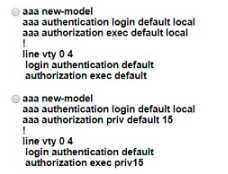
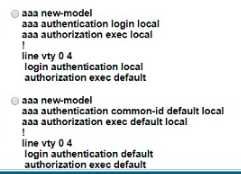
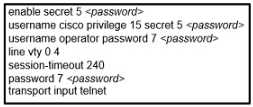 Refer to the exhibit. The authentication is not working as desired and the user drops into user-exec
mode. Which configuration resolves the issue?
Refer to the exhibit. The authentication is not working as desired and the user drops into user-exec
mode. Which configuration resolves the issue?
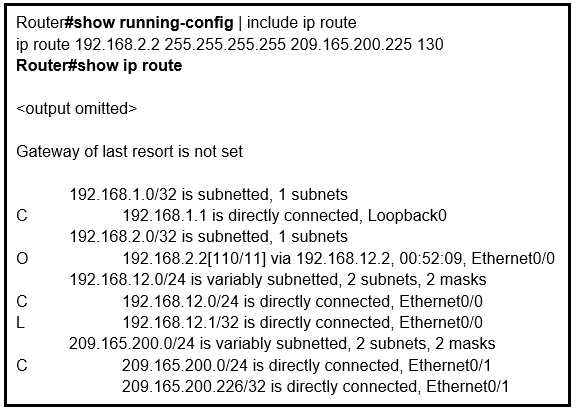 An engineer configures a static route on a router, but when the engineer checks the route
to the destination, a different next hop is chosen. What is the reason for this?
An engineer configures a static route on a router, but when the engineer checks the route
to the destination, a different next hop is chosen. What is the reason for this?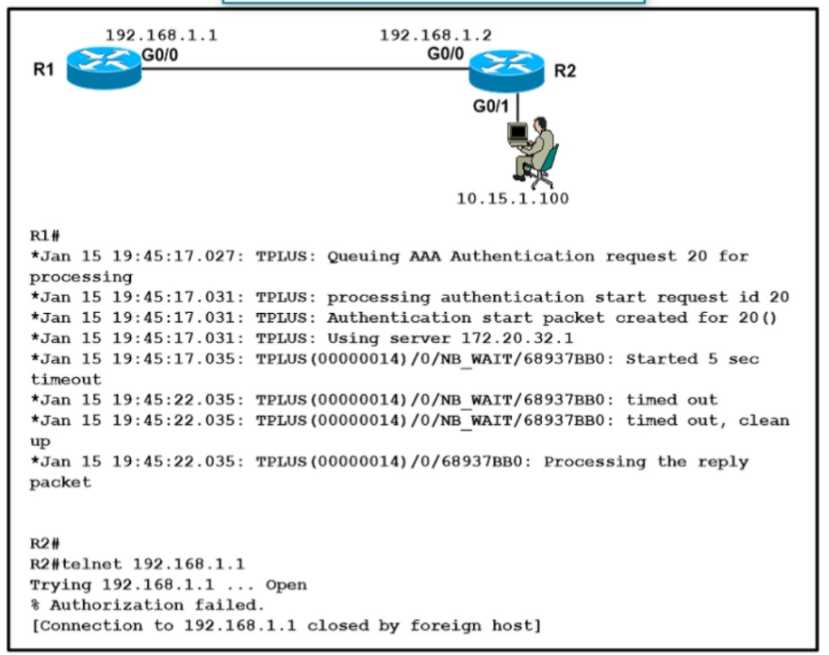 Refer to the exhibit A network engineer is troubleshooting an AAA authentication issue for R1 from
R2 When an engineer tries to open a telnet connection to R1 it opens the connection but shows a
%Authorization failed error message on the terminal and closes the connection silently Which action
resolves the issue?
Refer to the exhibit A network engineer is troubleshooting an AAA authentication issue for R1 from
R2 When an engineer tries to open a telnet connection to R1 it opens the connection but shows a
%Authorization failed error message on the terminal and closes the connection silently Which action
resolves the issue?
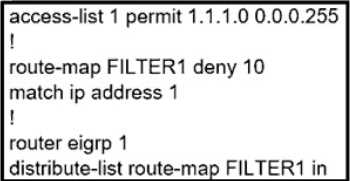 Refer to the exhibit. Which action restores the routes from neighbors while still filtering 1.1.1.0/24?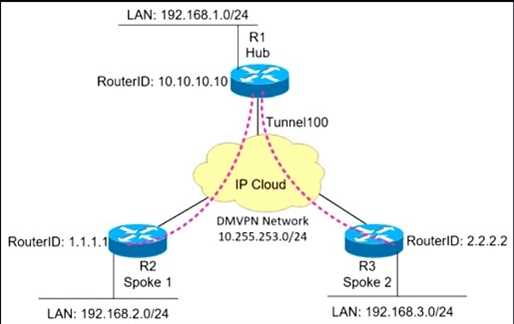
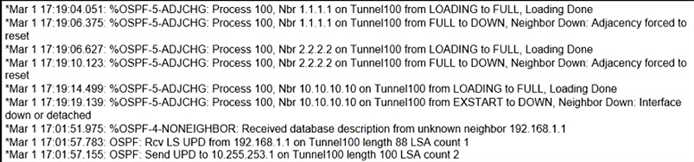 A network administrator sets up an OSPF routing protocol for a DMVPN network on the hub router.
Which configuration required to establish a DMVPN tunnel with multiple spokes?
A network administrator sets up an OSPF routing protocol for a DMVPN network on the hub router.
Which configuration required to establish a DMVPN tunnel with multiple spokes?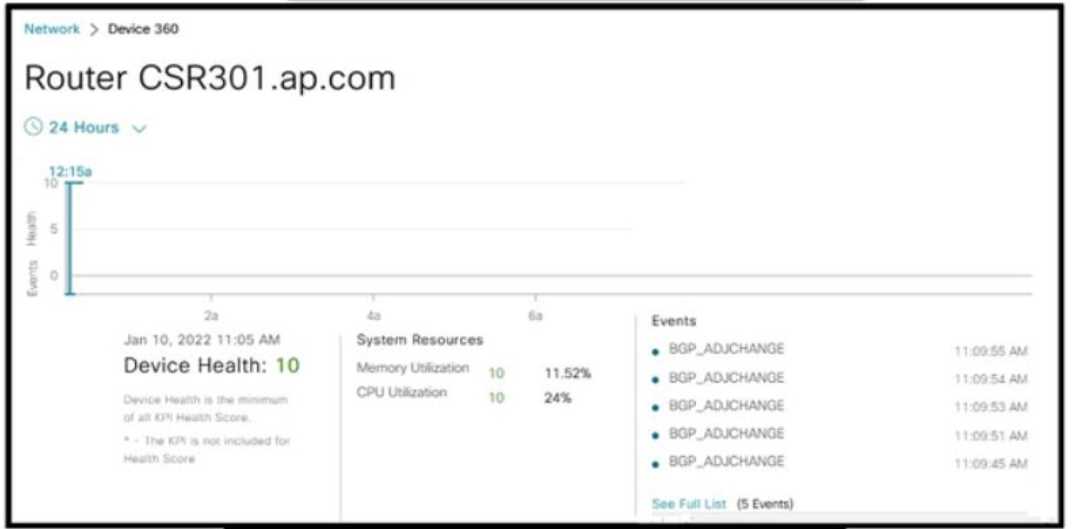
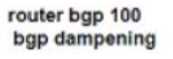
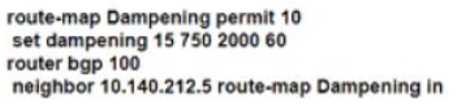
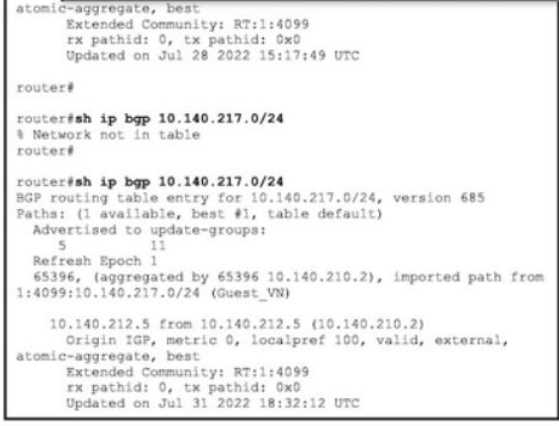 Refer to the exhibit. In Cuco DNA Center, a network engineer identifies that BGP-learned networks
are repeatedly withdrawn from peers. Which configuration must the engineer apply to resolve the
Issue?
A)
Refer to the exhibit. In Cuco DNA Center, a network engineer identifies that BGP-learned networks
are repeatedly withdrawn from peers. Which configuration must the engineer apply to resolve the
Issue?
A)
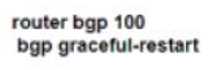 B)
B)
 C)
C)
 D)
D)

