
Q: 17
SIMULATION
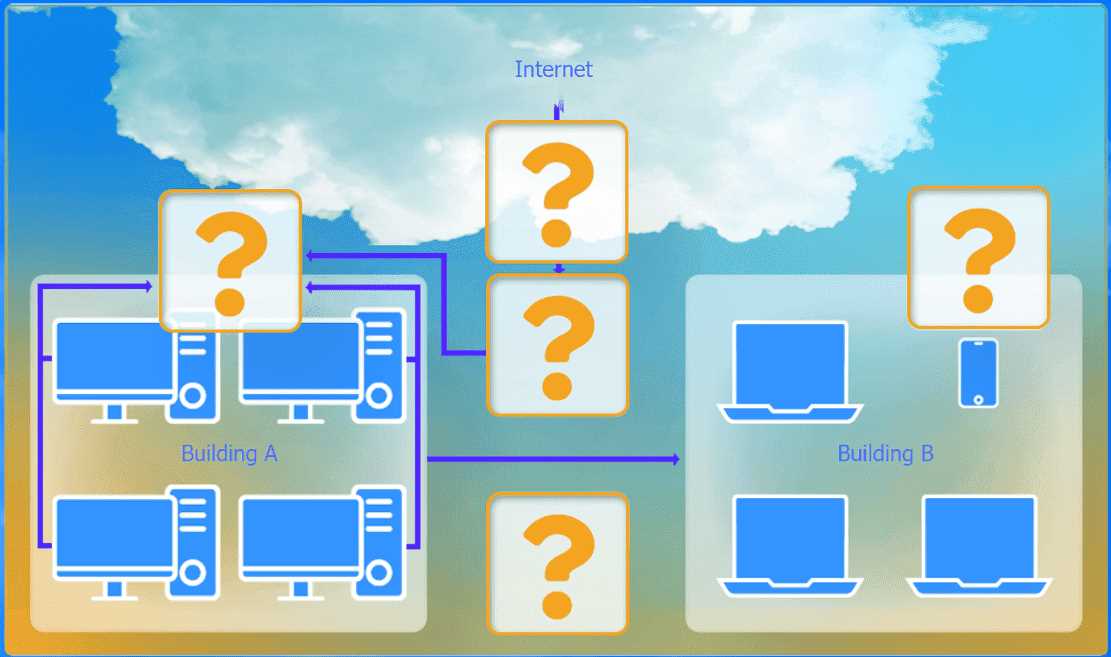
A network administrator has been tasked with configuring a network for a new corporate office. The
office consists of two buildings, separated by 50 feet with no physical connectivity. The configuration
must meet the following requirements:
. Devices in both buildings should be
able to access the Internet.
. Security insists that all Internet traffic
be inspected before entering the
network.
. Desktops should not see traffic
destined for other devices.
INSTRUCTIONS
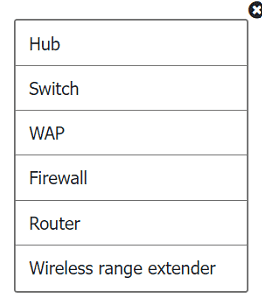
Select the appropriate network device for each location. If applicable, click on the magnifying glass
next to any device which may require configuration updates and make any necessary changes.
Not all devices will be used, but all locations should be filled.
If at any time you would like to bring back the initial state of the simulation, please
click the Reset All button.

Your Answer
Discussion
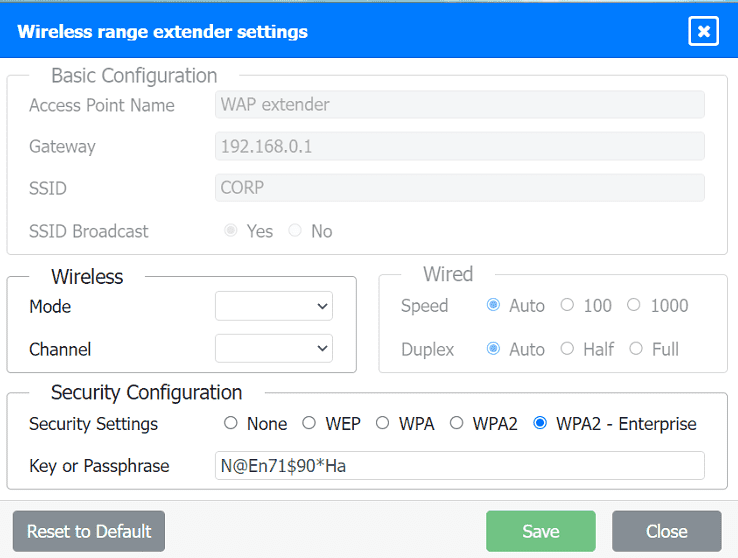
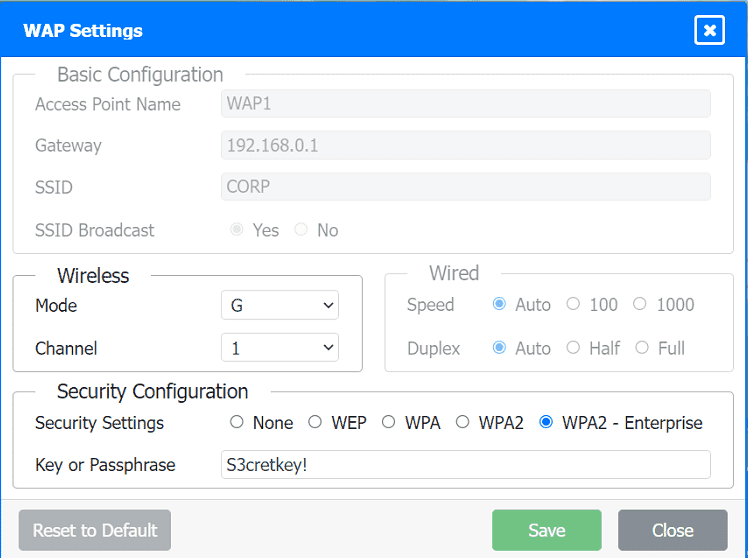
Firewall at the top for inspection, then router, switch, WAP linking to a wireless range extender in building B. Gotta change the key on the extender to S3CRETKEY! Matching practice test labs and official objectives.
Firewall, router, switch, WAP, then wireless range extender for the far building. Update the extender’s passphrase to S3CRETKEY! That matches exam guides.
Do we have to use a range extender in Building B or would another WAP work just as well here?
Firewall first for security, then router, switch for LAN, WAP to extend wireless, and range extender in Building B. Update the extender's passphrase to S3CRETKEY! Same sequence as official CompTIA practice labs.
Firewall then router, then switch. WAP should link to a range extender but if the extender can't do repeating from that make sure its config matches the WAP especially passphrase. Not 100% if all SIMs want the extender or sometimes a second WAP.
Be respectful. No spam.
