
Q: 1
A company has Aruba gateways that are Implementing gateway IDS/IPS in IDS mode. The customer
complains that admins are receiving too frequent of repeat email notifications for the same threat.
The threat itself might be one that the admins should investigate, but the customer does not want
the email notification to repeat as often.
Which setting should you adjust in Aruba Central?
Options
Discussion
No comments yet. Be the first to comment.
Be respectful. No spam.
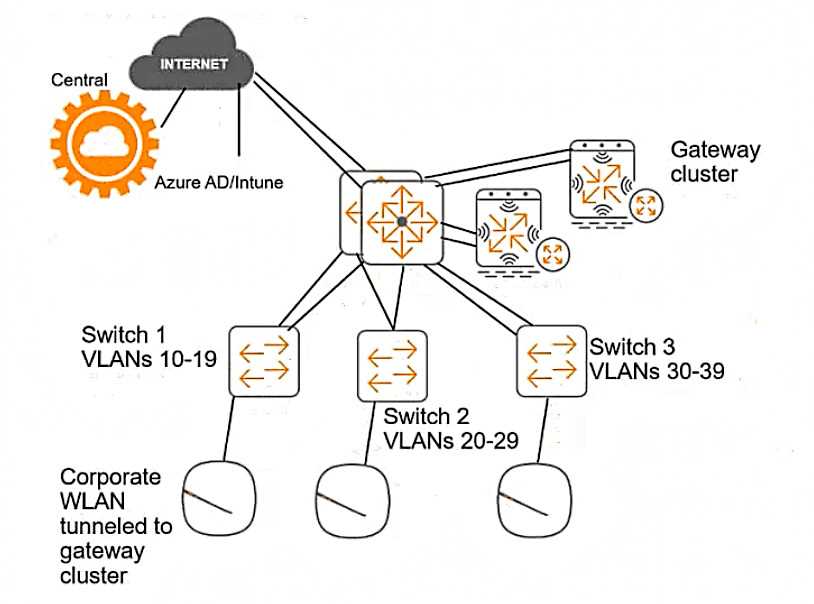 ?
How should you configure the VLAN setting for the reception role?
?
How should you configure the VLAN setting for the reception role?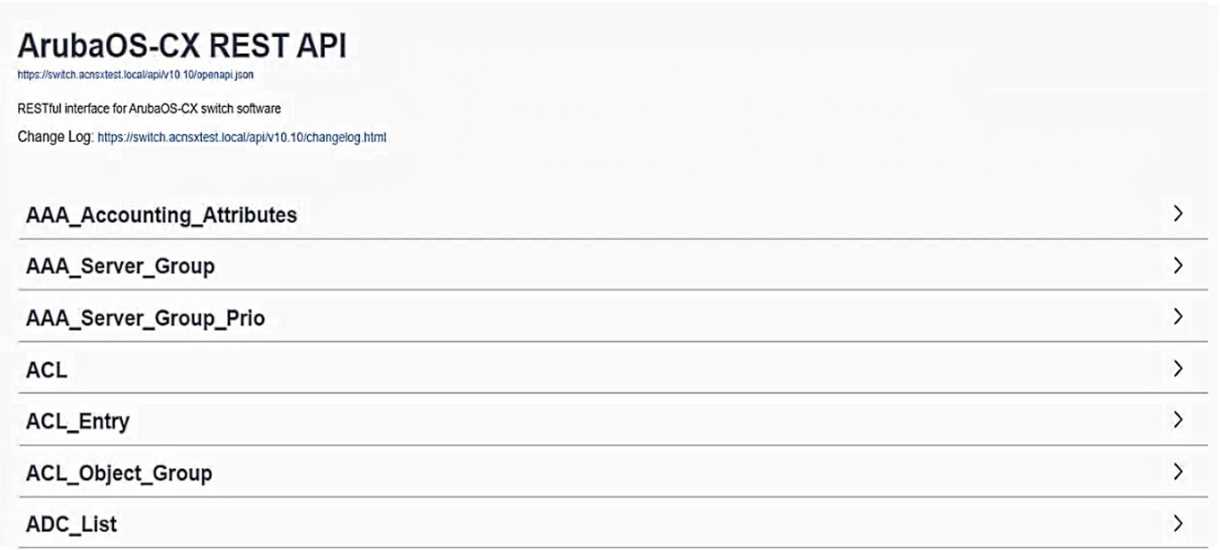 ?
What should you do before proceeding?
?
What should you do before proceeding?
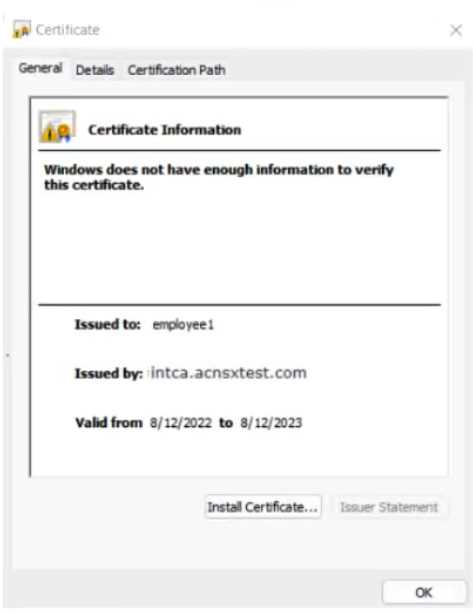 ?
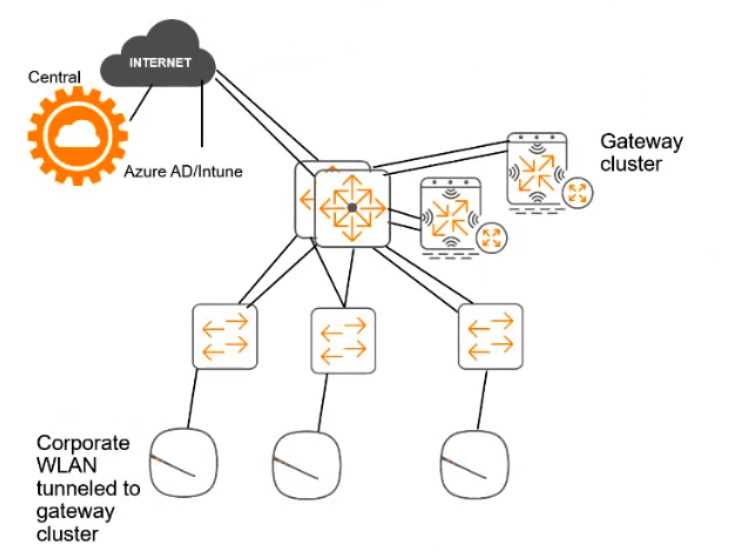
? 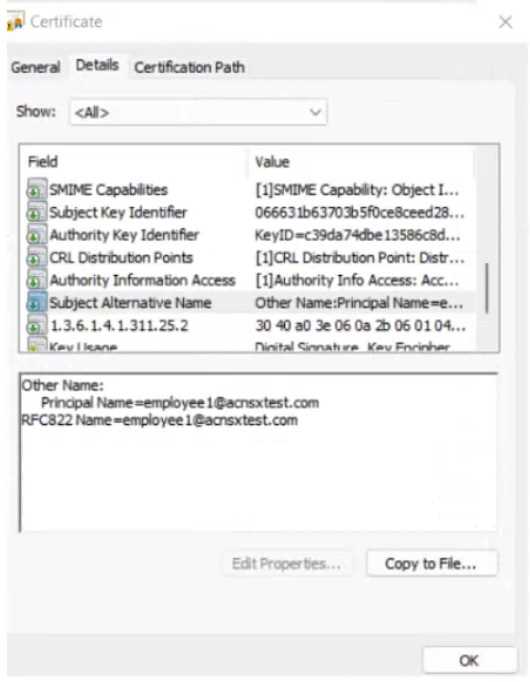 ? The company is in the process of adding Microsoft Endpoint Manager (Intune) to manage its mobile clients. The customer is maintaining the on-prem AD for now and uses Azure AD Connect to sync with Azure AD. # Requirements for issuing certificates to mobile clients The company wants to use ClearPass Onboard to deploy certificates automatically to mobile clients enrolled in Intune. During this process, Onboard should communicate with Azure AD to validate the clients. High availability should also be provided for this scenario; in other words, clients should be able to get certificates from Subscriber 2 if Subscriber 1 is down. The Intune admins intend to create certificate profiles that include a UPN SAN with the UPN of the user who enrolled the device. # Requirements for authenticating clients The customer requires all types of clients to connect and authenticate on the same corporate SSID. The company wants CPPM to use these authentication methods:
 ? # ClearPass cluster IP addressing and hostnames A customer’s ClearPass cluster has these IP addresses:
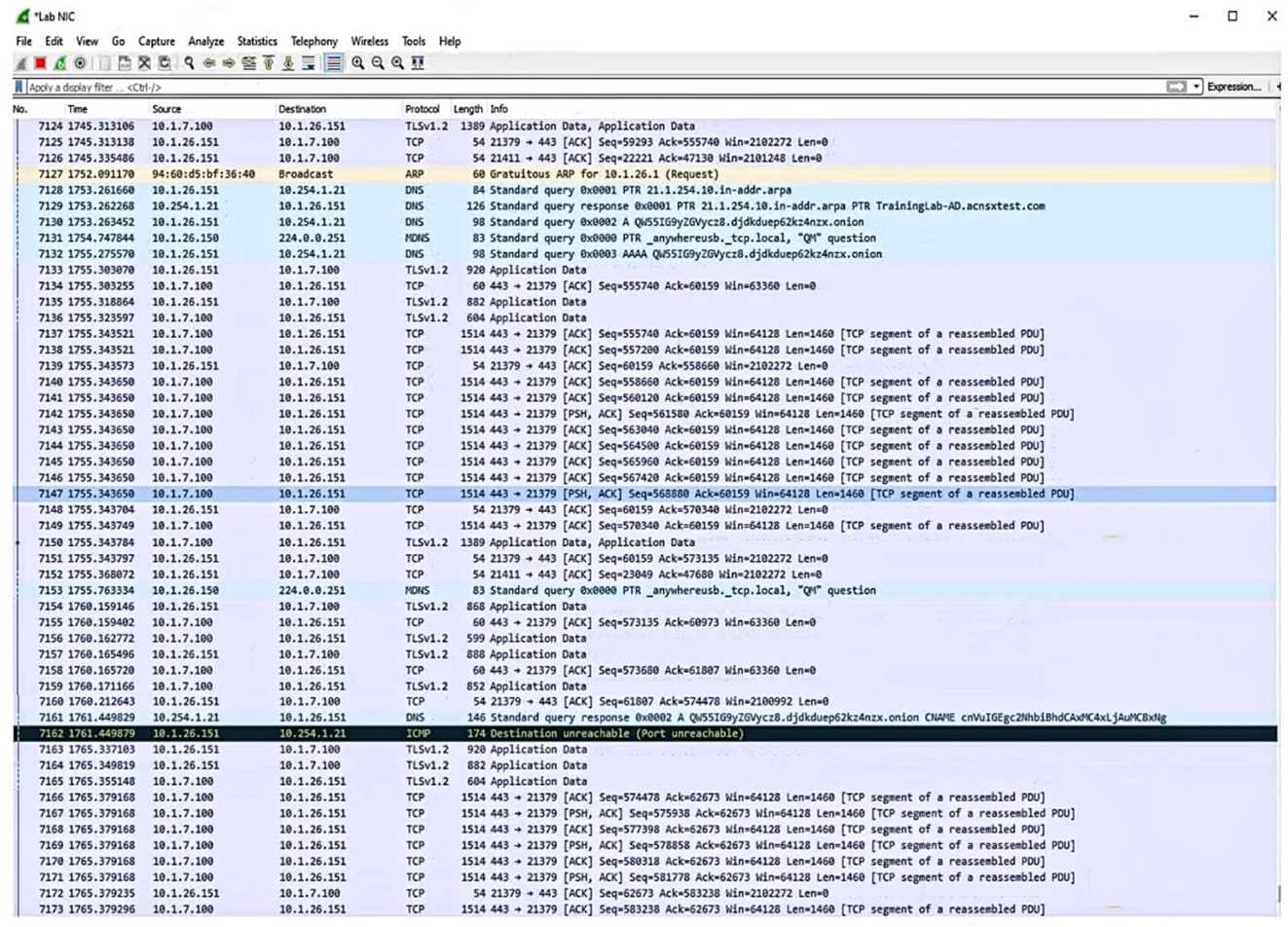 ?
Which security issue is possibly indicated by this traffic capture?
?
Which security issue is possibly indicated by this traffic capture?