
Q: 7
HOTSPOT In the network design below, where is the MOST secure Local Area Network (LAN) segment to deploy a Wireless Access Point (WAP) that provides contractors access to the Internet and authorized enterprise services? 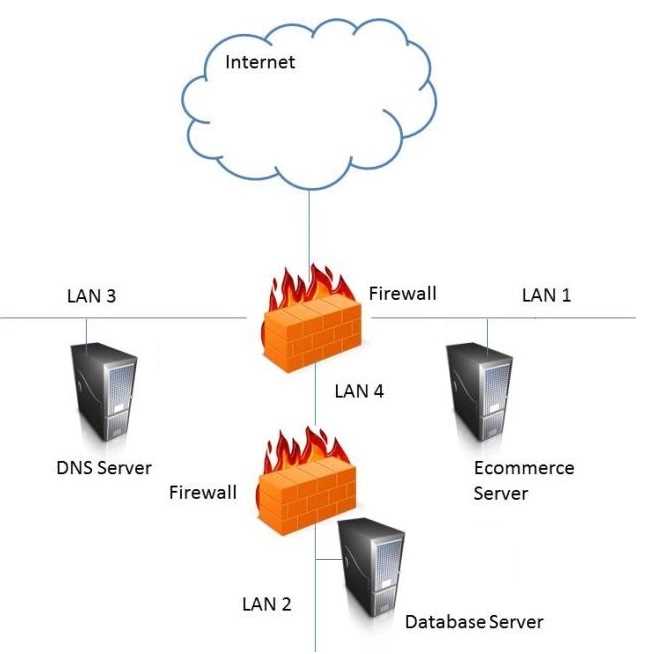
Your Answer
Discussion
Makes sense to go with LAN 4. DMZ segment is designed for less-trusted users and can restrict contractor access to only what’s needed. Official study guide and network architecture diagrams help clarify this setup, if you want to double-check.
LAN 4
LAN 4. If guests need Internet but only select enterprise services, DMZ (LAN 4) minimizes risk to internal resources.
Honestly these DMZ questions always feel a bit too textbooky, but LAN 4 is right here. It's the DMZ, so you get separation for contractors and can tightly control what they access-way better than risking it on a more internal segment. Only doubt is if the question wanted true internal trust, but that's not what it's asking.
LAN 4 (the DMZ) is the best spot for this WAP if contractors only need Internet and limited enterprise access. DMZ design keeps traffic from hitting internal resources directly, which lines up with least privilege. Pretty standard CISSP logic but open for debate if business needs were different!
LAN 4
LAN 4
LAN 4 here. Pretty sure that's the DMZ so it keeps contractor traffic isolated from the main internal LAN. Unless I'm reading the diagram wrong, DMZ is usually the spot for this use case.
Yeah, LAN 4 for sure.
LAN 4, saw a similar question in exam dumps-DMZ is always the safest bet for contractor WAPs.
Be respectful. No spam.
