Q: 11
Note: This question is part of a series of questions that present the same scenario. Each question in
the series contains a unique solution that might meet the stated goals. Some question sets might
have more than one correct solution, while others might not have a correct solution.
After you answer a question in this section, you will NOT be able to return to it. As a result, these
questions will not appear in the review screen.
You have two Azure virtual networks named Vnet1 and Vnet2.
You have a Windows 10 device named Client1 that connects to Vnet1 by using a Point-to-Site (P2S)
IKEv2 VPN.
You implement virtual network peering between Vnet1 and Vnet2. Vnet1 allows gateway transit.
Vnet2 can use the remote gateway.
You discover that Client1 cannot communicate with Vnet2.
You need to ensure that Client1 can communicate with Vnet2.
Solution: You enable BGP on the gateway of Vnet1.
Does this meet the goal?
Options
Discussion
Option B is right here. Just enabling BGP on the Vnet1 gateway won’t let Client1 learn routes unless the client config itself has BGP support. Saw similar in some exam reports, always required an updated VPN config.
B or A? I'm going with B here since just enabling BGP on Vnet1's gateway won't help unless Client1 is set up to use BGP as well. The question doesn't mention updating the P2S client config. Anyone see it differently?
B is correct since just enabling BGP on the Vnet1 gateway doesn't push routes to Client1 unless the client itself is set up for BGP. I think you’d have to update Client1’s config too. Open to other interpretations if someone’s seen it work differently.
A tbh. From what I remember in the official study guide, enabling BGP on the gateway usually lets routes propagate so P2S clients can reach other VNets through peering. Maybe missing something but that's how I understood it.
Just enabling BGP on the gateway isn't enough. Gotta set up BGP support on Client1 too or it won’t get the routes. So I’d say B here, unless there’s something hidden in the question.
Enabling BGP just on Vnet1's gateway isn't enough, since Client1 itself needs to be configured for BGP too. Otherwise, the routes to Vnet2 won't get pushed down to the client. Pretty sure the right answer is B but would like to hear if anyone has a different experience with default P2S setups.
A is wrong, B. Enabling BGP only on the gateway isn't enough-the client needs BGP config too. Unless Client1 is actually set up for BGP, just changing the gateway won't work. If anyone's seen it work with default P2S config, let me know.
A or B? I've seen similar in the practice tests and even official docs are a bit confusing on BGP with P2S. Worth double-checking in the Microsoft reference guide before locking it in.
Be respectful. No spam.
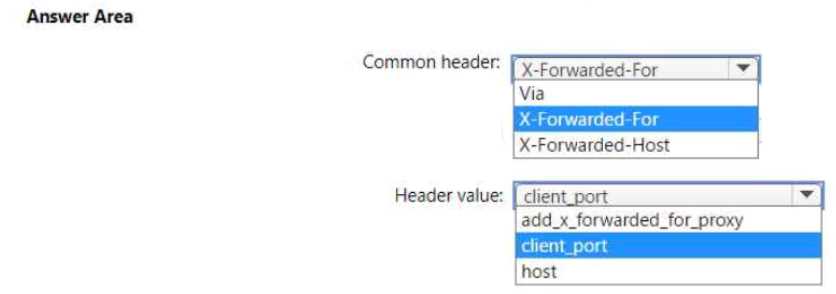
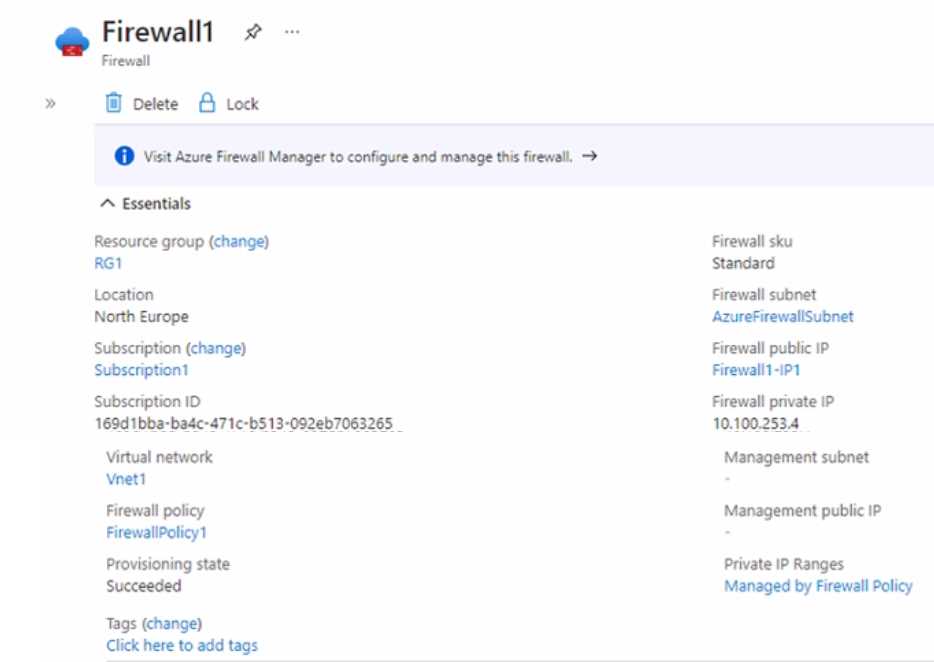 Use the drop-down menus to select the answer choice that completes each statement based on the information presented in the graphic. NOTE: Each correct selection is worth one point.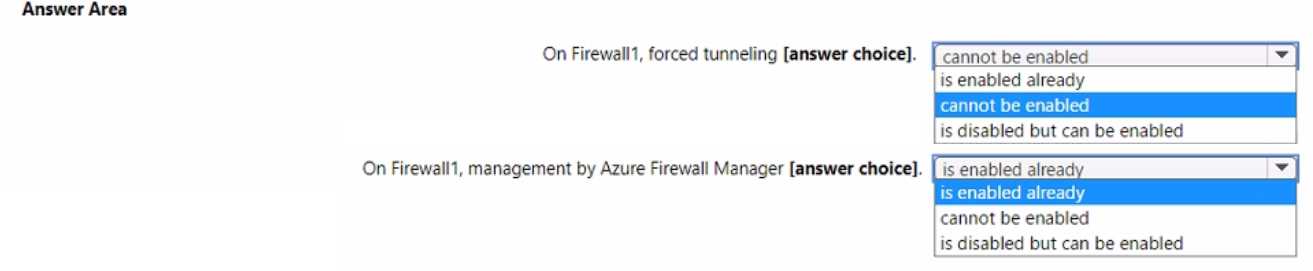
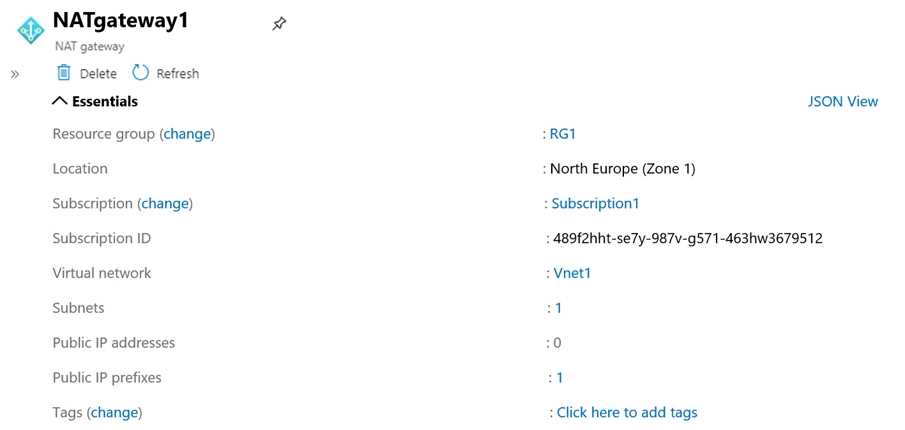 You have the virtual machine shown in the VM1 exhibit.
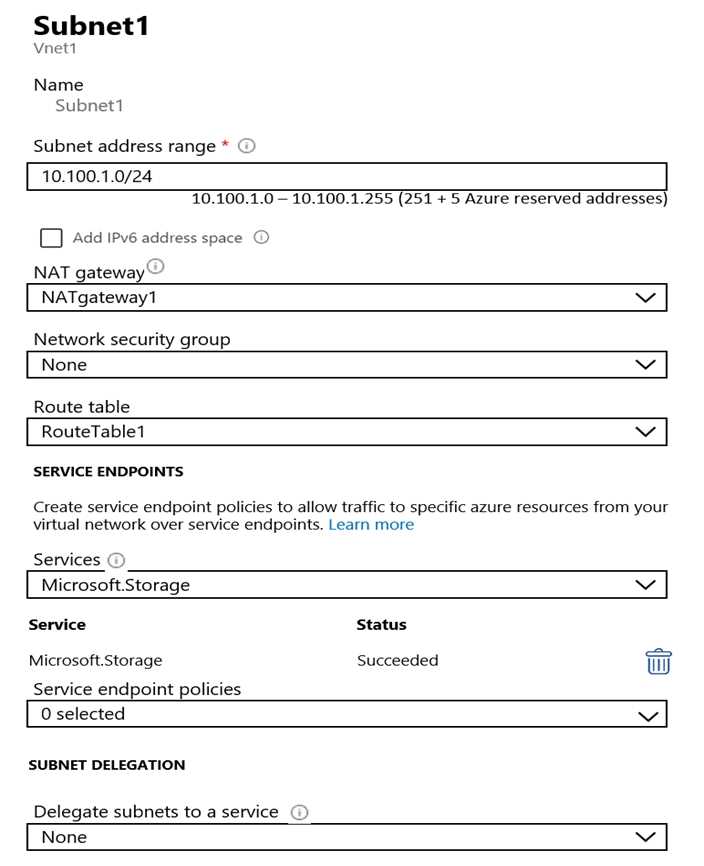
  Subnet1 is configured as shown in the Subnet1 exhibit.
  For each of the following statements, select Yes of the statement is true. Otherwise, select No. NOTE: Each correct selection is worth one point.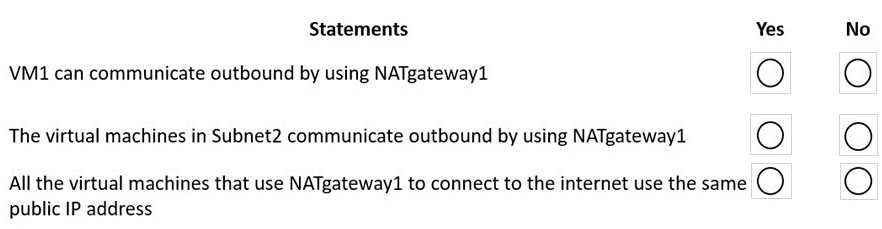
 Use the drop-down menus to select the answer choice that completes each statement based on the information presented in the graphic. NOTE: Each correct selection is worth one point.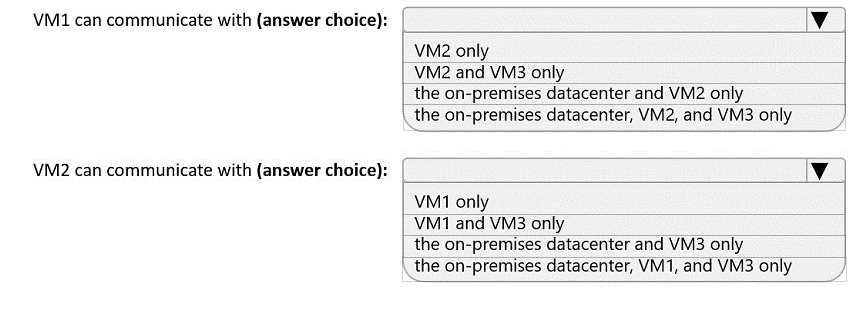
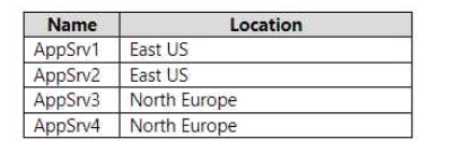 You need to implement Azure Traffic Manager to meet the following requirements:
• App1 traffic must be assigned equally to each App Service instance in each Azure region.
• App1 traffic from North Europe must be routed to the Appl instances in the North Europe region.
• App1 traffic from North America must be routed to the Appl instances in the East US Azure region.
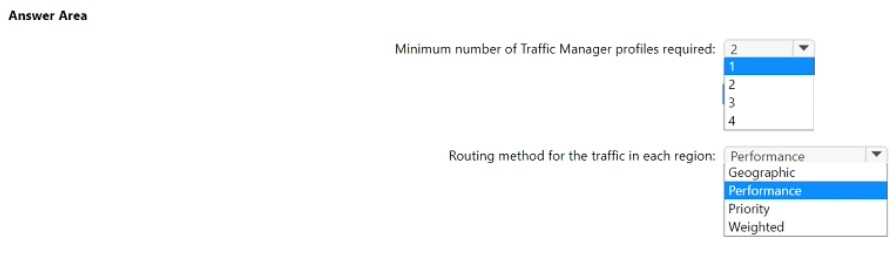
You need to implement Azure Traffic Manager to meet the following requirements:
• App1 traffic must be assigned equally to each App Service instance in each Azure region.
• App1 traffic from North Europe must be routed to the Appl instances in the North Europe region.
• App1 traffic from North America must be routed to the Appl instances in the East US Azure region.
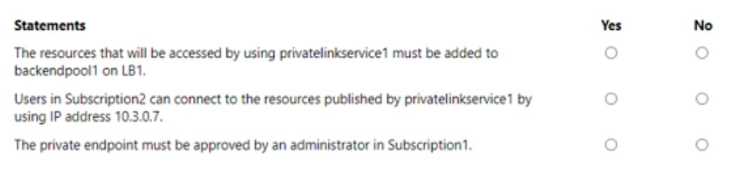
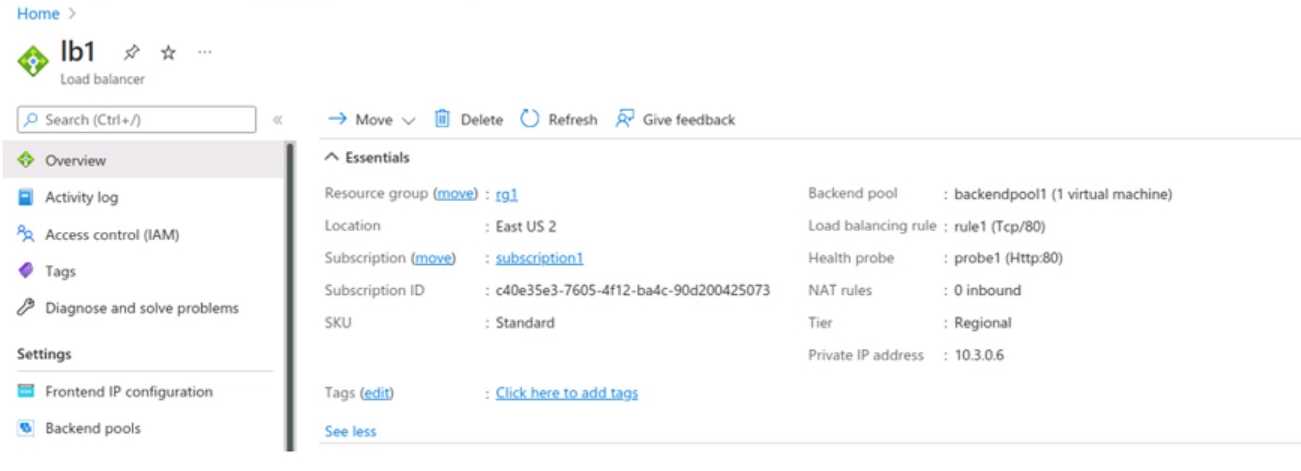
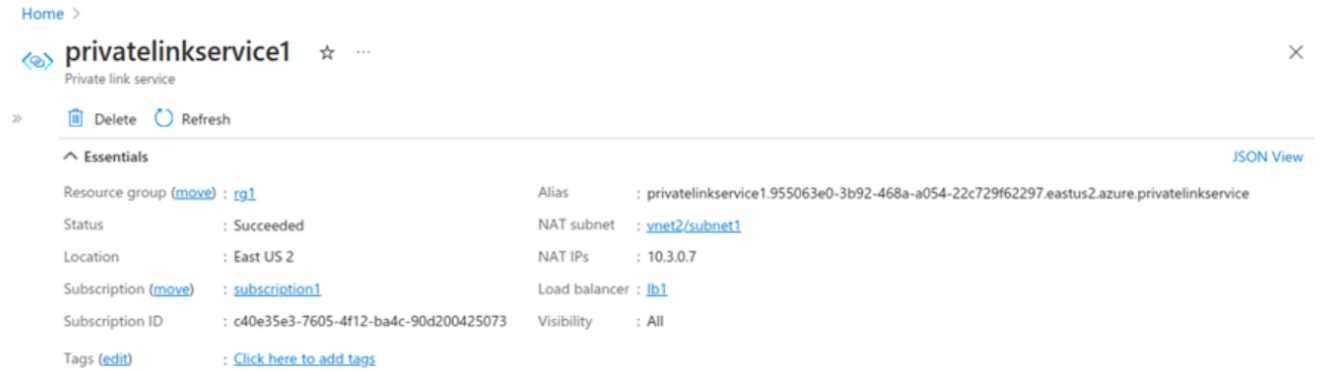 You create a load balancer name in Subscription1 and configure the backend pool shown in the lb1 exhibit. (Click tie 1b1 tab.)
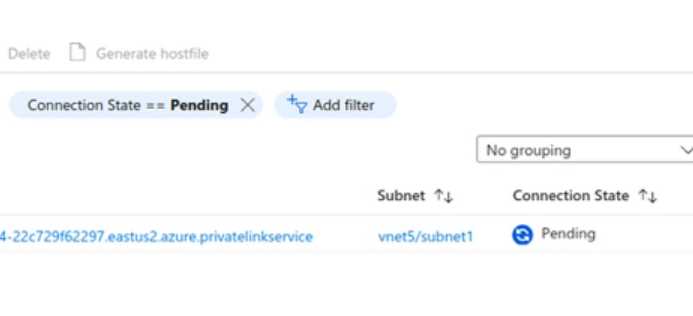
  You create a private endpoint in Subscription2 as shown in the privateendpoint4 exhibit. (Click the privateendpoint4)
  For each of the following statements, select YES if the statement is true. Otherwise. select No.