
Q: 11
One thousand concurrent users stream video to their laptops. A 30/70 split between 2.4 GHz and 5
GHz is used.
Based on client count, how many APs (rounded to the nearest whole number) are needed?
Options
Discussion
Its C, feels like 30 is less risky for video streams. Trap is underestimating heavy streaming load.
B or C? Most exam reports say B but if the video load was super heavy, maybe C would be closer. Seen Meraki best practices recommend B for this size though, not 100% sure.
Had something like this in a mock, it's B.
B but if they mention high-bitrate or all 5 GHz, answer could easily be C or D instead depending on AP specs.
B/C? Meraki's standard says B (28 APs) fits 1k clients split across 2.4 and 5 GHz, but if these were all high-bitrate video streams or the AP model had fewer radios/concurrent client support, I'd argue for C (30). Pretty sure the exam wants B based on usual density guidelines, unless there's more info hiding in the question.
B, had something like this in a mock and 28 was the answer.
Yeah, Meraki's best practice recommends 28 APs for this load, so B fits here. Unless they're all doing ultra-HD streaming or there's major interference, B should be right. I think that's what exam guides point to too, but open to debates.
I don't think it's C. The main trap is ignoring how APs handle high density with that many streams. I remember best practices point closer to B, but open to other maths if I missed something.
Maybe B, pretty sure that's what the Meraki best practices guide suggests for HD wireless. Worth double checking in the official design docs or lab sims.
Option C I think the trap here is not accounting for some APs going over capacity but 30 seems safer.
Be respectful. No spam.
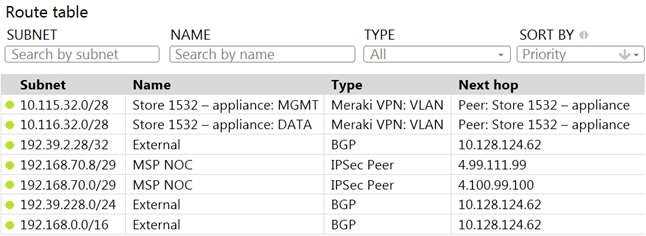 A packet arrives on the VPN concentrator with source IP 10.168.70.3 and destined for IP 10.116.32.4.
What is the next hop for the packet, based on this concentrator routing table?
A packet arrives on the VPN concentrator with source IP 10.168.70.3 and destined for IP 10.116.32.4.
What is the next hop for the packet, based on this concentrator routing table?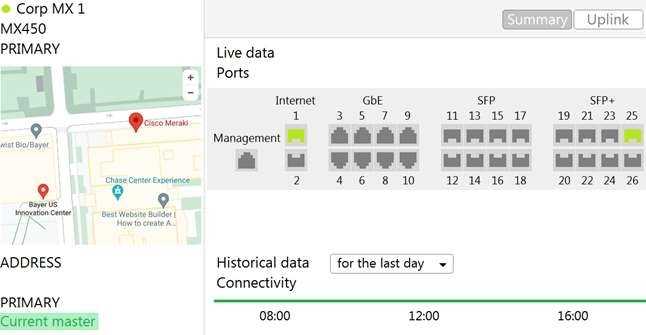 The VPN concentrator is experiencing issues. Which action should be taken to ensure a stable
environment?
The VPN concentrator is experiencing issues. Which action should be taken to ensure a stable
environment?