
Q: 1
Which two Systems Manager Live tools are available only for Apple Macs and Windows PCs and
cannot be used on iOS or Android mobile devices? (Choose two.)
Options
Discussion
Had something like this in a mock, it's D and E.
D and E imo. Screenshot and Remote Desktop aren't available for mobile, just Macs and PCs. Confident about it.
D . Screenshot and Remote Desktop are only on Macs and Windows PCs-you won't get those options on iOS or Android, even partially. C (Selective wipe) looks tempting but that's sometimes supported for Mac laptops, not just strictly those two OSes. Pretty sure D and E is what Cisco expects here, or at least that's what people say on practice sets. Disagree?
D , but if "Selective wipe" (C) really only covers MacOS and not PCs, that could technically fit too. Still, Screenshot and Remote Desktop are the two that never show for iOS/Android. Confusing wording here.
Seen similar in practice tests, it's D and E.
D and E. Screenshot and Remote Desktop are just for Macs and PCs, not available on mobile platforms.
Probably D and E. Screenshot and Remote Desktop aren't offered for iOS or Android, but you do see them for Mac/Windows in Meraki SM. OS updates can work on mobile too. Pretty sure that's right, happy to hear other thoughts.
Don't think it's A. Remote Desktop (E) and Screenshot (D) are the ones missing from iOS/Android, so I'd pick those. OS updates can work on mobiles too, so that's a trap.
D and E tbh
It’s D and E. Screenshot and Remote Desktop can’t be used on iOS or Android, just Mac and Windows. Option A (OS updates) is a trap, since that works for mobile too. Pretty sure about this but correct me if I’m off.
Be respectful. No spam.
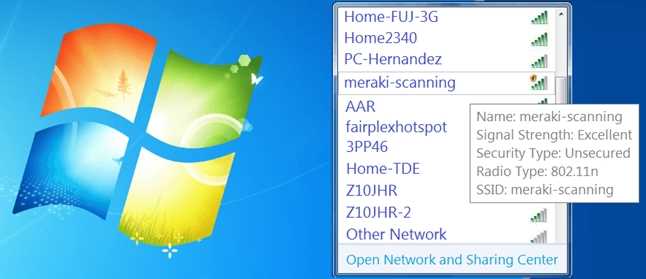 During a Meraki AP deployment, the default SSID that the exhibit shows is broadcast. What causes
this behavior?
During a Meraki AP deployment, the default SSID that the exhibit shows is broadcast. What causes
this behavior?