
Q: 11
Refer to the exhibit. 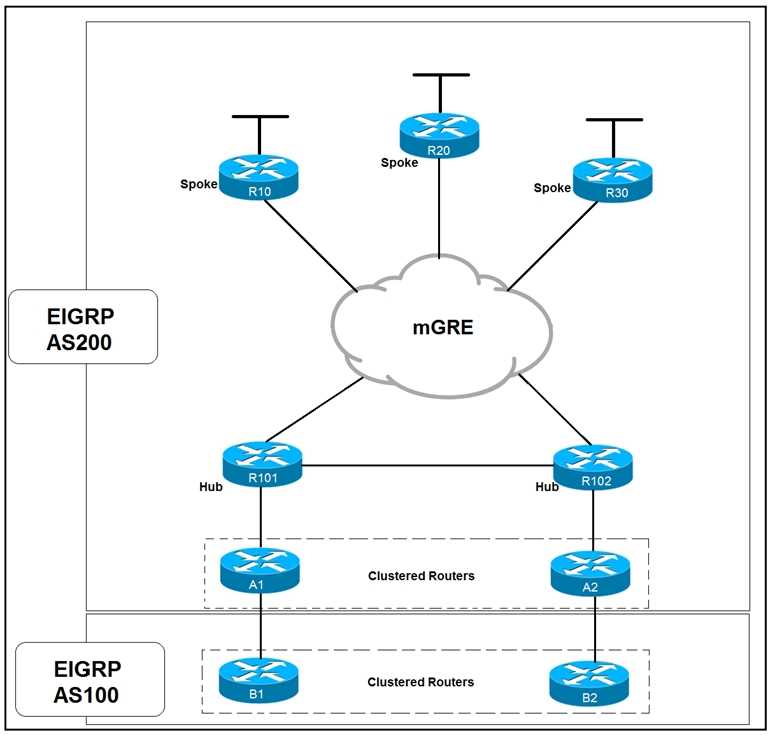 Which solution decreases the EIGRP convergence time?
Options
Discussion
Option D makes sense here. Enabling stub routing on spokes simplifies EIGRP queries and reduces convergence time since fewer routers have to respond to network changes. Pretty sure that's the core idea from the official guide, though happy to hear another angle.
Ugh, Cisco loves to throw these EIGRP timer questions. I'd go with B here because increasing the hold time should give neighbors more time before considering each other down, which I think helps with stability. Not totally sure though, anyone else see it this way?
C or D? Had something like this in a mock and picked C since increasing the dead timer value should make the router wait longer before declaring neighbors down, which I thought would help. Not totally sure, maybe someone can clarify.
D imo
Its D. Stub routing cuts down EIGRP queries, so convergence speeds up. Seen this pop up in other practice dumps too.
Be respectful. No spam.
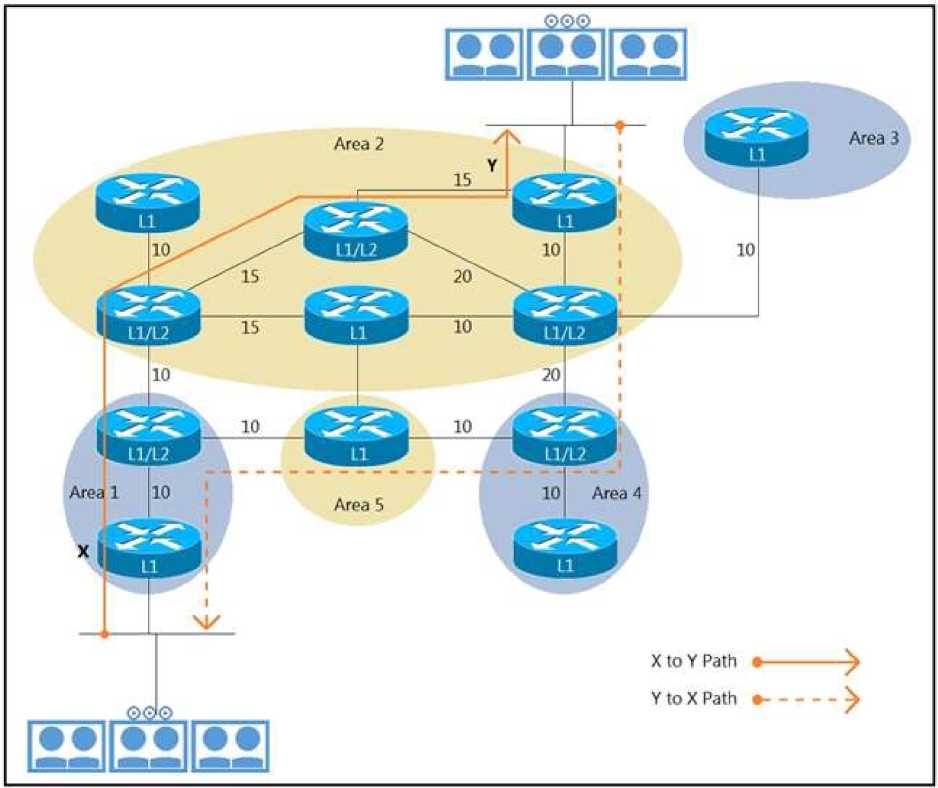 Refer to the exhibit. Customers report low video quality and delays when having point-to-point telepresence video calls between the two locations. An architect must optimize a design so that traffic follows the same path for egress and ingress traffic flows. Which technique optimizes the design?