
Q: 6
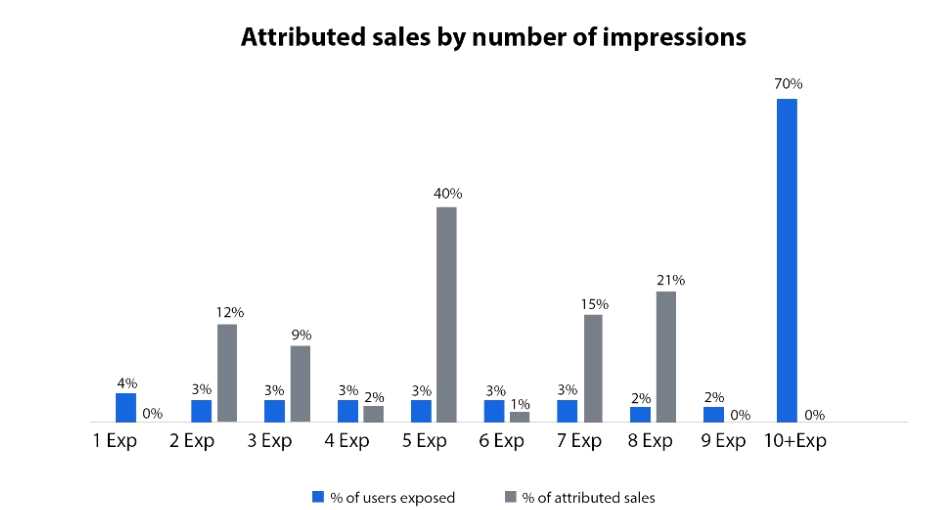
A snack retailer runs an eight-week video campaign with attributed sales. The campaign targets
snack lovers, gamers, and millennials. The test results are as follows:
 What should the company test using experimental design to improve efficiency in number of
exposures?
What should the company test using experimental design to improve efficiency in number of
exposures?
 What should the company test using experimental design to improve efficiency in number of
exposures?
What should the company test using experimental design to improve efficiency in number of
exposures?Options
Discussion
A. Swapping ad formats can change how many exposures you get for the same budget. That’s what experimental design is for. Agree?
Option A since if the format changes, exposure efficiency could shift a lot. If budget or audience were capped, it’d be different.
I see why people are picking A, but I think D makes sense here since frequency capping directly limits how many times users see the ad. Pretty sure capping could help reduce wasted exposures and boost efficiency. Did anyone else consider that trap?
A imo, unless the impressions metric is totally maxed by ad fatigue, then maybe D.
Had something super similar in my exam last year. A
Its A. Testing ad format usually impacts exposure efficiency the most, especially early on. Format tweaks can change watch time and reach before messing with frequency caps. Pretty sure on this one, but let me know if you read it differently.
Gotta love when Blueprint questions get vague about what they mean by "efficiency". A imo, since tweaking ad format can directly affect how many exposures you get per dollar. Similar question popped up in some practice reports. Not totally sure if frequency capping wouldn’t also help, but format is typically the first variable to test for exposure gains.
A seen a similar one in a mock. Ad format testing impacts exposure efficiency so it fits best here.
Be respectful. No spam.
